Regenerative Medicine

Written by Dr. Mehmet Kalcay (DentSpa)
Many patients ask this before treatment:
“I grind my teeth. Is that going to be a problem?”
Yes, it can be.
Veneers and implant crowns can take normal biting and chewing. That is not the issue. The problem is the extra pressure from grinding, especially at night, when you do not notice it and cannot stop yourself.
Over time, this pressure can chip porcelain, loosen a veneer, damage an implant crown, or put too much stress on small implant parts.
So the answer is not, “No, you cannot have veneers or implants.”
The better answer is: first check how strong the grinding is, then plan the treatment around it.
It means the grinding has to be taken seriously before the treatment starts, not after something breaks.
But that’s not to say you should forfeit the idea of a great smile.
By following the right approach, you can, without a doubt, still enjoy your dental work, even if you have a habit of grinding your teeth.
Bruxism means grinding or clenching the teeth without really meaning to. Some people do it during the day, often when they are stressed, focused, or tense. Others do it at night and have no idea it is happening.
That is where the problem starts.
A veneer, crown, or implant can handle normal chewing. It is made for that. But grinding is different. The pressure is stronger, lasts longer, and often hits the teeth from the wrong angle. Over time, that kind of force can chip porcelain, wear down edges, loosen small implant parts, or make existing dental work fail earlier than expected.
Children can grind their teeth too. Parents often notice it at night because the sound is hard to miss. In many children it settles with age, but if there is tooth wear, jaw pain, headaches, or very loud grinding, a dentist should take a look.
Bruxism usually shows up in two different ways.
Sleep bruxism happens while you are asleep. That is why many people do not know they grind until someone else tells them.
Sometimes a partner hears it. Sometimes there is morning jaw pain or headaches. And sometimes the patient feels nothing at all, but the dentist sees the signs: flattened biting edges, small cracks, worn enamel, or pressure marks inside the mouth.
Sleep bruxism matters for veneers and implants because it can happen for hours without control. You cannot simply “stop” yourself in the moment, because you are asleep.
Awake bruxism, also known as diurnal bruxism, happens while a person is conscious or semi conscious. It usually shows up during moments of stress, concentration, or even habit.
One thing to note is that awake bruxism is not as dangerous as sleep bruxism. Why? Because your natural protective reflexes would still be active by the time the grinding starts so you will be able to readjust your jaw/stop it.
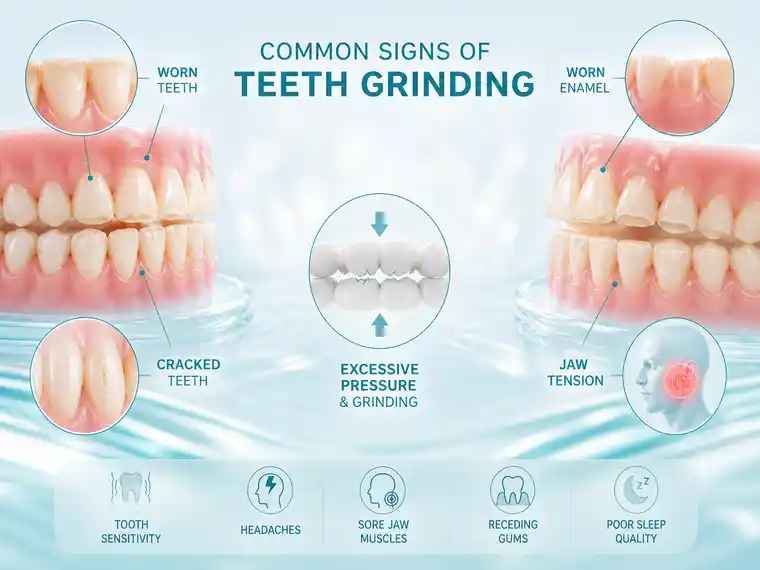
Many people don’t know they grind. If you are one of them, here are some of the symptoms to look out for:
Even though veneers are very strong, they still can’t withstand the constant grinding force generated during bruxism.
Here is how it happens:
Veneers, by design, are only bonded to the front of the tooth. Now, when you start grinding your teeth non stop, the force will gradually break down the adhesive bond until it can no longer hold the veneer. The result? The veneers will fall out.
Aside from weakening the adhesive bond, the pressure of grinding can also cause veneers to crack or break apart. Also, the grinding force may simply wear the edge of the veneers out so much that they lose their aesthetic appeal
Note: The material your veneer is made from also plays a part in how well your veneer fares under the intense force of bruxism.
For example, the likes of feldspathic porcelain and IPS e.max porcelain are much more susceptible to cracks while grinding. Zirconia veneers on the other hand can withstand the heavy force of grinding for a very long time.
Even though they are designed to be indestructible, a lot of components attached to dental implants are vulnerable to grinding damage.
Below are some of the main ones that are often affected.
If you grind your teeth non stop, the pressure and repeated stress could fracture or break the crown apart.
The silver lining? Only the damaged crown will be replaced, not the entire implant.
Teeth grinding can also cause the tiny screws that connect the crowns to the implant posts to become loose. Once these screws become loose, it can create gaps where bacteria can enter and cause inflammation.
Fixing this is fairly straightforward: Your dentist will simply remove the crown and tighten or replace the loose screws.
The grinding force can also make composite fillings to crack, wear down or debond completely. When this happens, a new filling would be needed to fill the gap left.
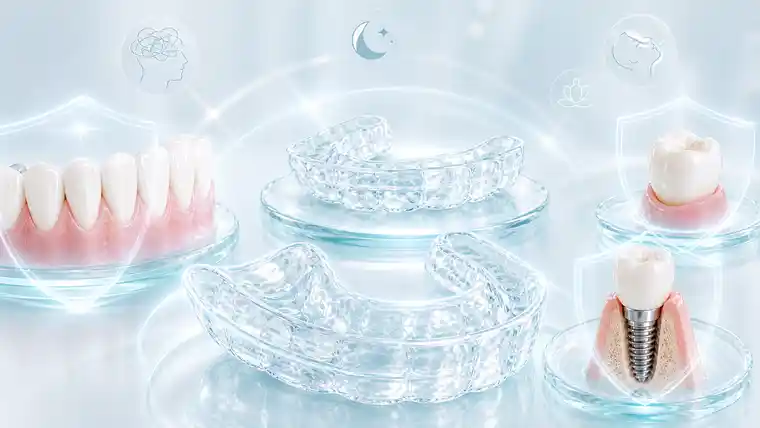
If you have a veneer or dental implant and you grind, here are some practical things you can do to protect your investments.
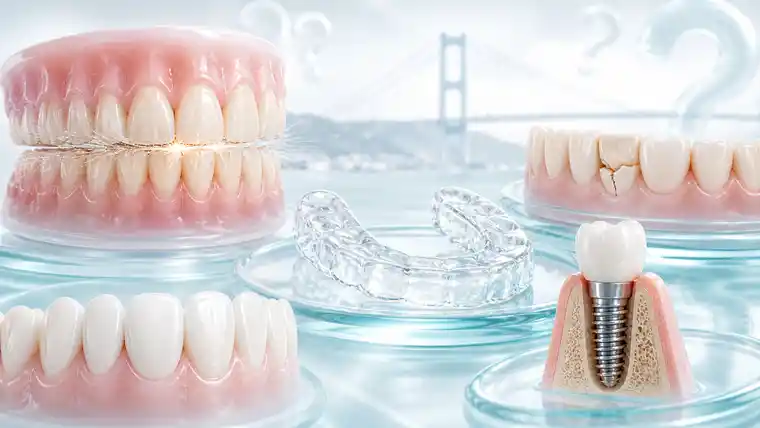
If you grind in the night, a custom night guard is a must have.. This corrective tool will act as a barricade to prevent direct contact between the teeth.
It also helps absorb and spread out the pressure from grinding, reducing the risk of damage to your veneers or implant crowns.
A lot of times, bruxism is often triggered by something else. Stress is one. Certain antidepressants and stimulants medications also tend to worsen bruxism.
Also, If you have sleep apnea, you should get that treated as well as it has been observed that it can help reduce bruxism significantly.
If you clench during day time, simple habits like exercising, constant monitoring of jaw position, and positioning your tongue on the palate can help.
It depends on how severe the bruxism is. While night guards can absorb most grinding forces, they can’t guarantee zero damage to the veneers or implant, especially if the bruxism is severe.
Not necessarily. As long as it is not severe bruxism, and you can wear night guard (if it’s sleep bruxism), you can absolutely get veneers or dental implants that function well
You can, but financially, it is not a great long-term strategy. For example, in the UK, replacing a veneer will cost around €250 to 400. A better approach is to protect your dental work from the start, rather than fixing damage repeatedly.
A custom hard acrylic night guard is usually recommended. The guard is around (2-3mm) thick meaning that it can absorb a lot of force and distribute them evenly across the teeth. It is also designed to cover the entire upper or lower teeth.
A natural tooth has a little cushion around it. Not something you can see, but it is there. When you bite hard, the tooth can move slightly and the pressure is softened.
An implant does not move like that.
After healing, it is fixed directly in the bone. This is good for stability, but with grinding it also means the pressure goes straight to the implant crown, the screw, and the bite.
So implants are not weak. They just have less natural protection than real teeth when someone clenches or grinds heavily.
Yes, the force from bruxism can damage implants and veneers, but that does not mean they cannot co-exist. It all comes down to how severe your bruxism is and how well it’s handled
If you want your new smile to last, you need a team that really knows both bruxism and restorative dentistry. This is where DentSpa come in.
Based in Istanbul, Turkey, this clinic has a team of experienced and well-trained dentists that can assess your bruxism, determine whether veneers or implants are advisable, and recommend the best protective strategies that would help your dental work last.