Proofread by Prof. Dr. Serdar Kabataş, MD, PhD (C)
MedClinics News & Blog
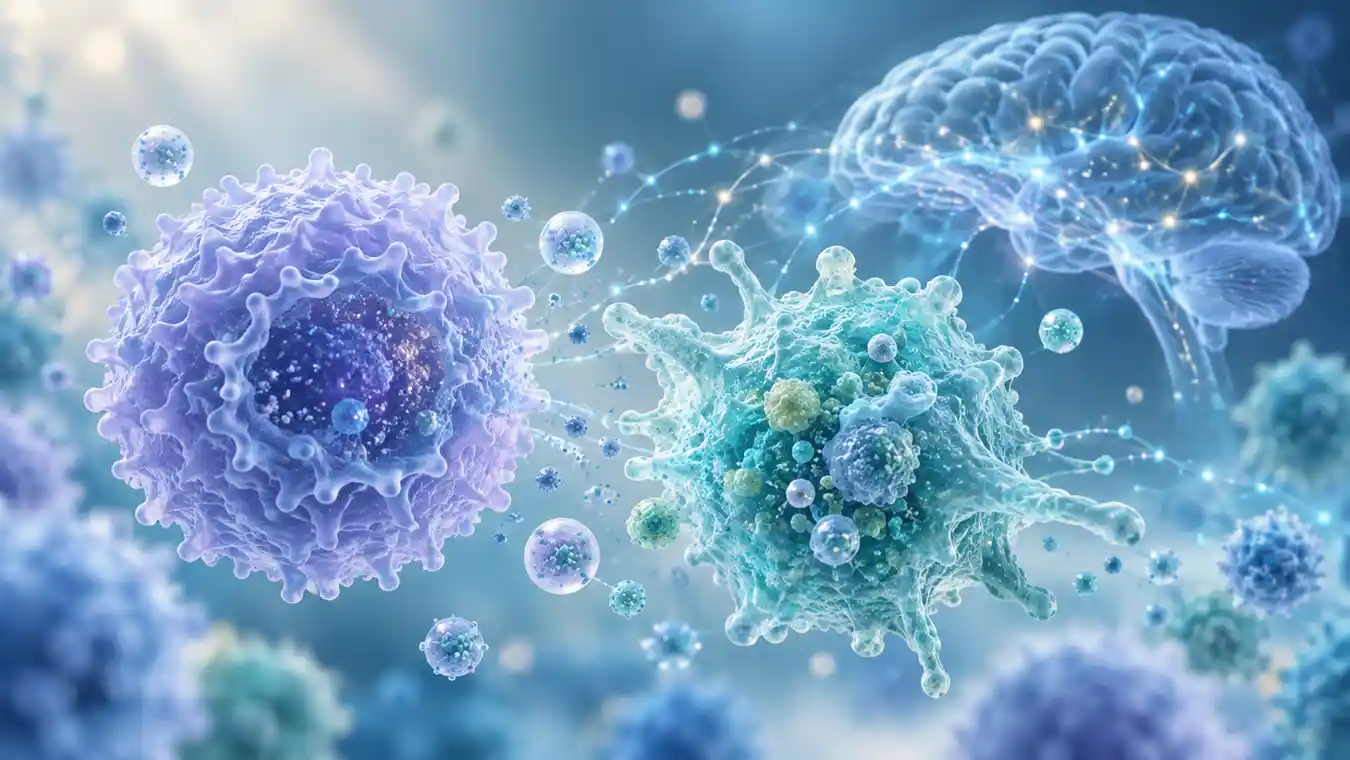
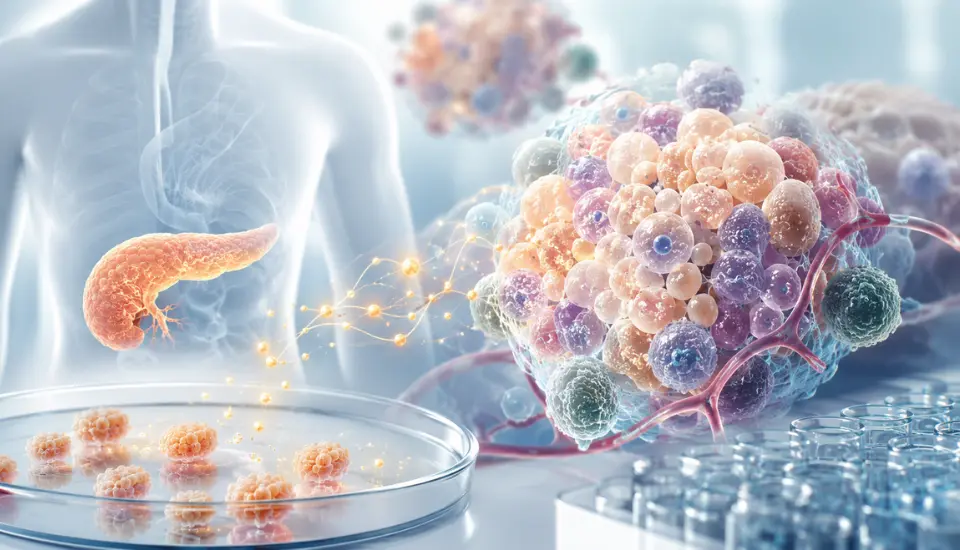
Stem cell-derived islet therapy for type 1 diabetes is attracting attention again because the idea has started to look less distant.
For people living with type 1 diabetes, the promise is easy to understand. The body has lost the cells that make insulin. Replace those cells, and perhaps the disease can be treated closer to its source.
That sentence sounds simple. The science behind it has taken decades.
A beta cell is not just an insulin factory. It listens to glucose. It releases insulin when the body needs it. It slows down when glucose falls. It works with other islet cells in a living system that changes during meals, sleep, exercise, stress and illness.
Insulin injections, pumps and continuous glucose monitors have changed diabetes care. They help people manage a difficult disease every day. But they still work from the outside. They do not restore the living beta cell network that type 1 diabetes damages.
This is why recent research matters.
Two clinical reports now sit close together in the discussion. One is the 2024 Cell report from China, where a patient received insulin-producing islet-like cells made from her own reprogrammed cells. The other is the 2025 New England Journal of Medicine report on zimislecel, a stem cell-derived islet-cell therapy tested in a larger early-stage clinical study.
The clinical signal is still strong: stem cell-derived islet cells have begun to show insulin-producing function in human patients, and in some cases that function has been enough for insulin independence during follow-up.
For regenerative medicine, that is a meaningful point to reach.
Table of Contents
The Missing Function in Type 1 Diabetes
Type 1 diabetes is often explained through glucose numbers. High, low, target range, insulin dose, correction, carbohydrate count.
Those numbers matter. They shape daily life. But behind the numbers is a missing function.
In type 1 diabetes, the immune system destroys insulin-producing beta cells in the pancreatic islets. As beta cell function disappears, the body loses its internal ability to regulate glucose with insulin.
Modern diabetes technology can be very good at helping patients manage this gap. A continuous glucose monitor shows where glucose is moving. An insulin pump can deliver small doses throughout the day. Automated systems can adjust delivery based on sensor readings.
These tools are valuable. They also show how hard the original biology is to replace.
A transplanted islet-like cell has to do something more natural. It has to sense glucose and respond with insulin. If enough transplanted cells survive and function, the patient may need less injected insulin. In some early studies, patients have stopped insulin altogether for a period of time.
That is why “insulin independence” appears so often in headlines and trial reports.
It is not the only outcome that matters, but it is a visible sign that the transplanted cells are working.
The 2024 CiPSC Case From China
The 2024 Cell report drew attention because the treatment began with the patient’s own cells.
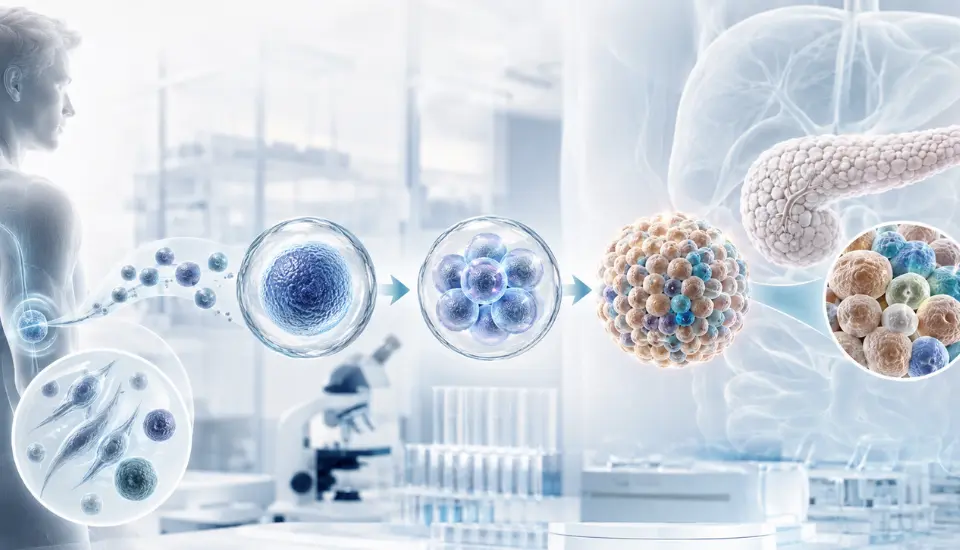
Researchers took adult cells from a 25-year-old woman with long-standing type 1 diabetes. They reprogrammed those cells into chemically induced pluripotent stem cells, known as CiPSCs. From there, they generated islet-like cell clusters capable of producing insulin.
The route was patient-specific:
patient cell → reprogrammed pluripotent cell → insulin-producing islet-like cell → transplantation.
The transplant site was also notable. The cells were placed under the abdominal anterior rectus sheath, in the abdominal wall region, rather than into the liver. Traditional donor islet transplantation has often used the liver through portal infusion, so this site choice made the case even more interesting.
After transplantation, the patient stopped using insulin 75 days later. The report described sustained insulin independence during one year of follow-up, along with improved glucose control.
For one patient, that is a remarkable clinical observation.
It showed that a person’s own cells could be reprogrammed, guided toward an insulin-producing fate and transplanted back with enough function to affect daily insulin need.
The case also came with a major complication in interpretation. The patient had previously undergone liver transplantation and was already using immunosuppressive medication. That background makes it impossible to know how the new cells would have behaved without immune suppression.
This matters because type 1 diabetes is autoimmune. Even if new islet-like cells are made from the patient’s own tissue, the immune system may still attack cells that produce insulin. “Autologous” does not automatically mean protected in type 1 diabetes.
So the Chinese case is best understood as a proof of possibility, not as proof that the immune barrier has been solved.
That is still important. Many areas of regenerative medicine begin with proof that a cell product can function in a person. The next stage is finding out whether that function can be repeated, protected and sustained.
Why Zimislecel Changed the Clinical Frame
The zimislecel data made the topic harder to dismiss as a single-patient story.
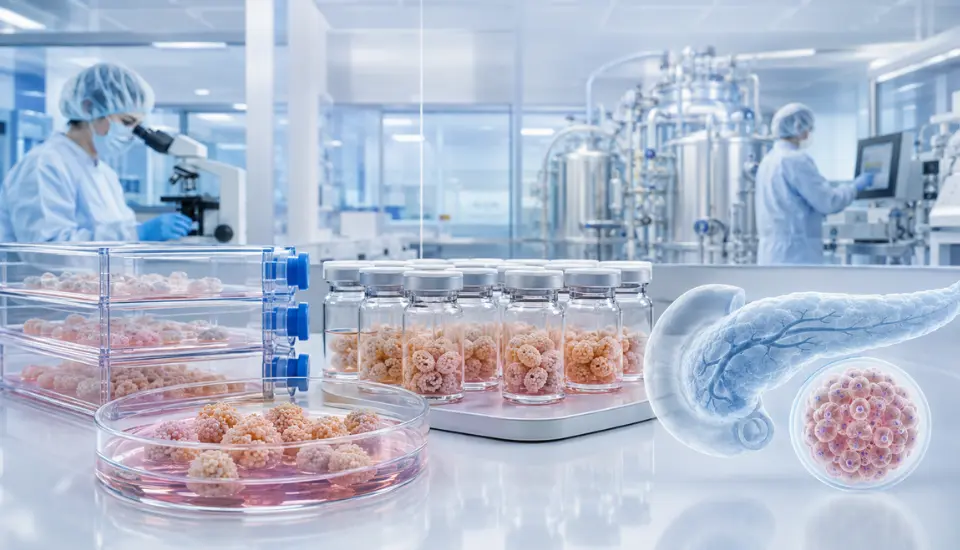
Zimislecel, previously known as VX-880, is an allogeneic stem cell-derived islet-cell therapy. It is not manufactured from each patient’s own cells. It is designed as a more standardized cell product.
That difference is central to the field.
A personalized CiPSC-derived product has a different logic from an allogeneic product. The first begins with one patient. The second is built for broader manufacturing and repeatability.
In the 2025 New England Journal of Medicine study, zimislecel was tested in people with type 1 diabetes who had impaired awareness of hypoglycemia and severe hypoglycemic events. These are not ordinary mild glucose swings. Severe hypoglycemia can be dangerous, especially when a person no longer senses the warning signs clearly.
Among the participants who received the full dose, 10 of 12 were insulin-independent at day 365.
That result gave the field a wider clinical signal. It suggested that stem cell-derived islet cells could restore insulin-producing function in more than one patient, under a defined study protocol.
The trade-off was immunosuppression.
Participants received immunosuppressive therapy, which changes the risk-benefit discussion. A treatment that requires immune suppression is not something to position casually for all people with type 1 diabetes. It may make more sense first in patients with the highest disease burden, especially those facing severe hypoglycemia and unstable control despite advanced care.
Even with that limitation, the zimislecel study strengthened the broader message.
The field is no longer relying only on the idea that stem cells can become beta-like cells in the laboratory. It now has early clinical evidence that stem cell-derived islet cells can function after transplantation.
Two Approaches, One Clinical Problem
The Chinese CiPSC case and zimislecel are useful together because they show two different ways researchers are trying to solve the same problem.
The autologous route starts with the patient’s own cells. This approach feels intuitive because the cells come from the person being treated. It may reduce some compatibility concerns, but it also brings manufacturing complexity. Producing a personalized cell product for each patient is not simple.
The allogeneic route starts with a standardized cell product. This could be easier to manufacture, test and scale. It also brings a clear immune challenge because the cells are not the patient’s own.
Neither route is easy.
Autologous therapy still has to face autoimmunity in type 1 diabetes. Allogeneic therapy has to face rejection and immune suppression. Both have to answer questions about long-term function, safety, dose, transplantation site and product consistency.
This is the stage where regenerative medicine becomes less glamorous and more practical.
- Can the cells be made the same way each time?
- Do they produce insulin in response to glucose?
- Can they survive for years?
- Can patients avoid dangerous immune complications?
- Can the product be manufactured for more than a small number of people?
Those questions will decide whether early insulin independence becomes a durable treatment path.
The Immune Problem Is Still the Center of the Story
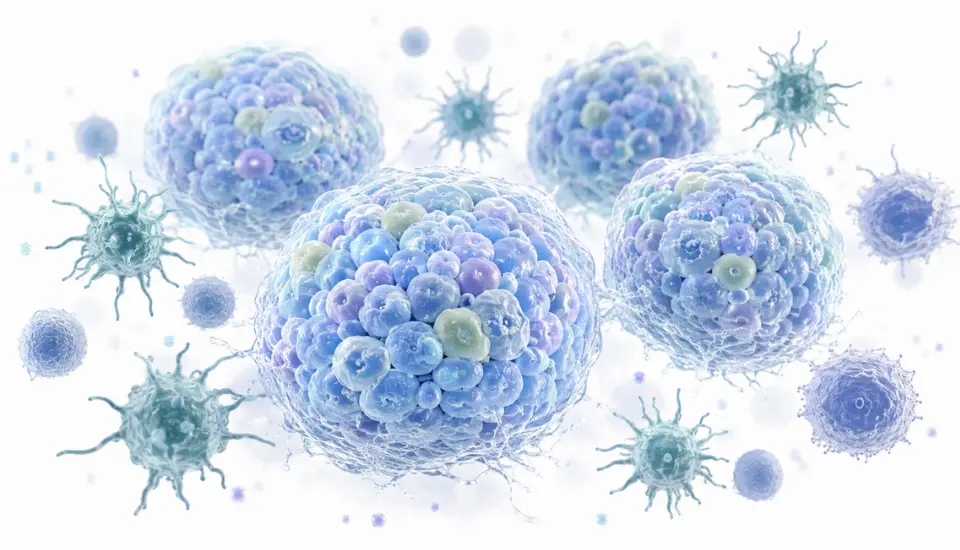
Any article on this therapy has to return to immunity.
In type 1 diabetes, the original beta cells were destroyed by an autoimmune process. A new islet-like cell graft may face two threats: the immune system may reject the transplanted tissue, and the autoimmune process may also target insulin-producing cells again.
This is why immunosuppression appears in both parts of the current discussion.
In the Chinese case, the patient was already using immunosuppressive medication because of a previous liver transplant. In the zimislecel study, immunosuppression was part of the protocol.
That does not erase the clinical progress, but it defines the current boundary of the field.
Long-term immunosuppression can carry risks, including infection and other complications. For selected patients with severe type 1 diabetes, those risks may be considered differently. For the wider population, safer immune strategies would be needed.
Researchers are studying possible solutions.
Some involve encapsulation devices that physically shield transplanted cells while allowing nutrients, oxygen and insulin to pass. Some involve gene editing to make cells less visible to immune attack. Others involve improved transplant sites or local immune modulation.
This part of the field may determine how widely this therapy can eventually be used.
Producing insulin-making cells is no longer the only challenge. Protecting them inside the body may be just as important.
Why Insulin Independence Is Powerful but Not Final
Insulin independence is an emotional phrase in type 1 diabetes.
It is easy to see why. Daily insulin use is not only a medical routine. It is a constant mental calculation. Food, exercise, sleep, stress, illness and unexpected changes all affect glucose control. The idea of stopping insulin, even for a defined period, is significant.
In clinical research, however, insulin independence has to be read with follow-up.
One year is encouraging. It is not the same as lifelong control.
Researchers still need to understand how long the transplanted cells function, whether insulin need returns, whether additional dosing may be required and whether immune injury develops over time. Glucose stability also matters. So does safety.
A patient being insulin-independent at day 365 is a strong signal. It tells us that the graft is doing meaningful work. Longer studies will show whether the effect can last and how safely it can be maintained.
This is why the current moment is promising without being complete.
The studies have moved the field forward. They have not ended the hard questions.
What Comes Next
The next stage will depend on longer follow-up and larger trials.
For the Chinese CiPSC approach, researchers need more patients and clearer information about how the therapy behaves in people who are not already immunosuppressed. The personalized nature of the product also raises practical questions about time, cost and manufacturing.
For zimislecel, the key questions include durability, safety, patient selection and the long-term consequences of immunosuppression. Future studies may show whether the therapy can maintain insulin independence beyond one year and which patients benefit most.
Across the whole field, immune protection remains the largest obstacle.
If safer immune strategies improve, stem cell-derived islet therapy could become relevant to more people with type 1 diabetes. If long-term immunosuppression remains necessary, the approach may stay focused on selected high-risk patients.
That would still be meaningful.
Not every advanced therapy begins as a treatment for everyone. Many start with the patients who need them most.
For now, the main message is clear enough: stem cell-derived islet therapy has moved into a more serious clinical phase. It has produced insulin independence in early human studies, but it still needs time, follow-up and better immune solutions.
Frequently Asked Questions About Stem Cell-Derived Islet Therapy
What is stem cell-derived islet therapy?
It uses stem cells to generate islet-like cells that can produce insulin. In type 1 diabetes, the goal is to replace some of the beta cell function lost through autoimmunity.
What happened in the 2024 Chinese CiPSC case?
A 25-year-old woman with type 1 diabetes received insulin-producing islet-like cells made from her own reprogrammed cells. She stopped using insulin 75 days after transplantation and remained insulin-independent during one year of follow-up.
What did the zimislecel study report?
The 2025 zimislecel study tested an allogeneic stem cell-derived islet-cell therapy in people with type 1 diabetes. Among 12 participants who received the full dose, 10 were insulin-independent at day 365.
Why is immune suppression important?
Transplanted islet-like cells can be attacked by the immune system. Current approaches may require immunosuppressive medication, which affects safety and limits which patients may be suitable.
Is this a cure for type 1 diabetes?
No. These are early clinical results. Longer follow-up, larger studies, safer immune protection and consistent manufacturing are needed before stem cell-derived islet therapy can be considered for wider clinical use.
Sources
- “Transplantation of chemically induced pluripotent stem-cell-derived islets under abdominal anterior rectus sheath in a type 1 diabetes patient.” Cell. 2024.
- PubMed record: “Transplantation of chemically induced pluripotent stem-cell-derived islets under abdominal anterior rectus sheath in a type 1 diabetes patient.”
- “Stem Cell–Derived, Fully Differentiated Islets for Type 1 Diabetes.” New England Journal of Medicine. 2025.
- PubMed record: “Stem Cell-Derived, Fully Differentiated Islets for Type 1 Diabetes.”
- “Insulin independence from stem-cell-derived islets.” Nature Biomedical Engineering. 2024.