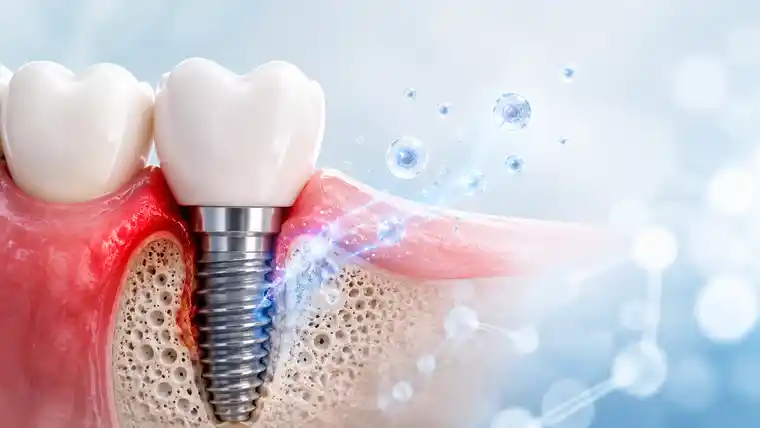
Written by Dr. Mehmet Kalcay (DentSpa)
Peri-Implantitis Treatment After Dental Implant Infection
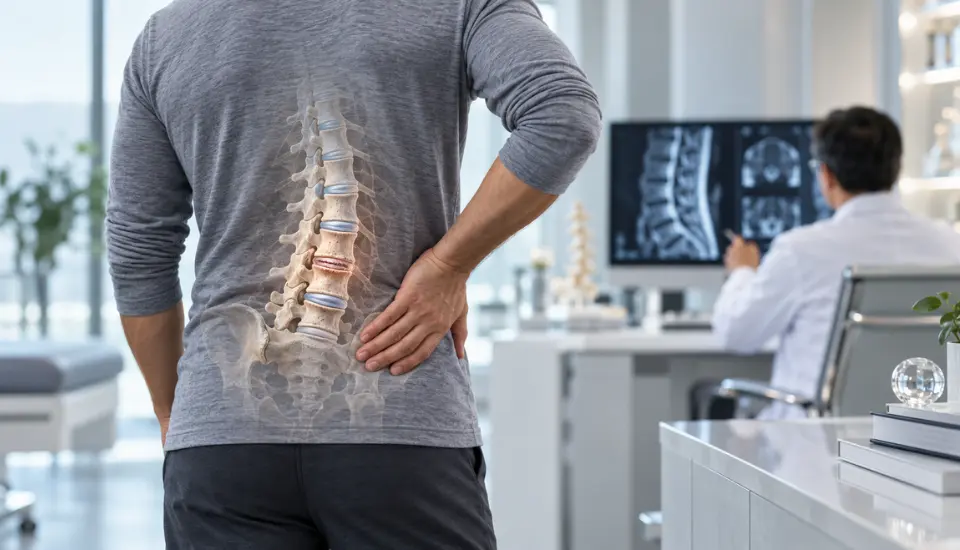
Months later after your dental implant surgery, you get out of bed and try to brush your teeth; but instead of brushing your teeth, you see red bleeding occurring from the site of your dental implant.
And to make matters worse, the gums surrounding the implant are puffy and your mouth tastes horribly.
These symptoms suggest that you have developed an infection called Peri-Implantitis Peri-implantitis is dangerous because it can totally disintegrate all of the bone and tissue necessary for the support of your implant.
While early to moderate peri-implantitis may be treated with conventional methods, the chronic one may require surgical intervention or even extraction of the implant.
In this article, we will discuss how the use of exosomes might provide support to aid in healing at sites of infected implants and what makes them unique compared to other forms of treatment.
Table of Contents
What Is Peri-Implantitis Treatment?
Peri-Implantitis is one of the leading causes of dental failure. By rough estimate, around 60% of implant failures are caused by this infection.
This condition is a form of gum disease that affects both the soft tissues and surrounding bones supporting the dental implant.
This infection is progressive in nature. That is, it starts as mild inflammation around the gums before gradually advancing into deeper bone destruction if left untreated.
How Peri-Implantitis Develops
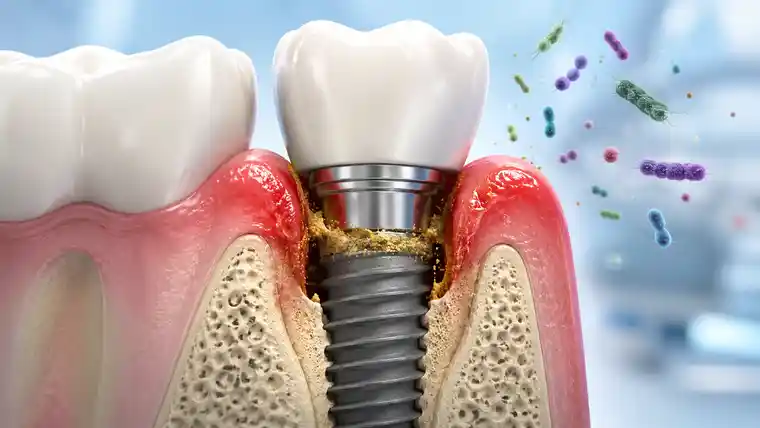
As bacteria accumulate around the implant face, they begin to form a sticky layer known as biofilm.
Once your body immune system detects this build up, naturally it responds by triggering inflammatory mediators to attack the bacteria. This defensive response is ironically where the real damage behind
In trying to eliminate infection, the inflammatory chemical released by the body will start destroying surrounding bone and tissue.
Now as bone loss progresses, deeper pockets form around the implant, giving bacteria even more space to hide and multiply. The cycle then continues to worsen over time.
Early Warning Signs of Peri-Implantitis
Recognizing the first signs of peri-implantitis will help prevent long-term damage from this disease. There are several early warning signs for peri-implantitis:
Bleeding When Brushing/Flossing Around Your Implant
Your gums should never bleed. If you notice bleeding while brushing or flossing around your implant that could mean you may have peri-implantitis.
Change In Gum Color/Shape
Gum color should be either light pink or deep brown. If the gum around your implant changes to red, swells, appears puffy or irritated don’t wait. This is a classic sign that you may now have peri-implantitis.
Bad taste or odor
No matter how hard you brush, if you consistently have a bad taste or smell, that is another red flag that all is not well with your implant.
Pus discharge
Once the infection gets worse, you may start noticing pus or fluid coming out from the gum around the implant. At this stage, the infection is no longer mild and should not be ignored.
Gum recession
One of clearest signs that your peri-implantitis is progressing is when your gum tissue starts pulling back, exposing your implants post.
Loose implant
Normally, implants are supposed to be sturdy to last. Now, if you notice that the implant is starting to move, there is a high chance you have lost a lot of bone. At this stage, you need immediate professional help.
Conventional Treatment Options
There are 3 standard therapies commonly used to treat peri-implantitis infection. They are usually administered sequentially, depending on how advanced the infection has become. They include.
Mechanical cleaning
This is usually the first line of treatment especially when the inflammation is still at its early stage (peri-implant mucositis).
The mechanical cleaning process uses specialized cleaning instruments to clean the area surrounding the implant removing bacteria biofilms and calculus that have accumulated in the deeper crevices.
Antibiotics treatment
While mechanical cleaning can be effective in eliminating some infections, it does not always eliminate an active infection.
The reason is because there are areas around the implant that are extremely deep and difficult to reach with cleaning tools alone. That is where antimicrobial gels and oral antibiotics come in.
Antibiotics can be administered to target the bacteria hiding deep inside the gum pockets.
Surgical debridement
Once the infection has advanced to the point where you are starting to lose your bone, surgical intervention becomes mandatory.
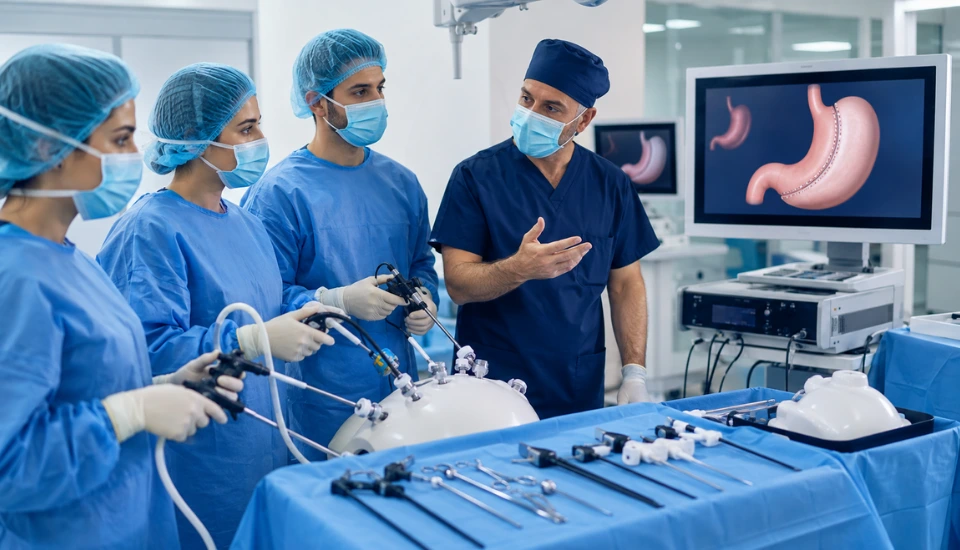
During the procedure, the periodontist carefully opens the gum tissue to gain proper access to the infected area around the implant. The contaminated implant surface is then thoroughly cleaned and disinfected, while infected tissue is removed.
If the infection has already caused significant bone loss, bone grafting may also be done to help rebuild and support the area.
How Exosome Therapy Can Help
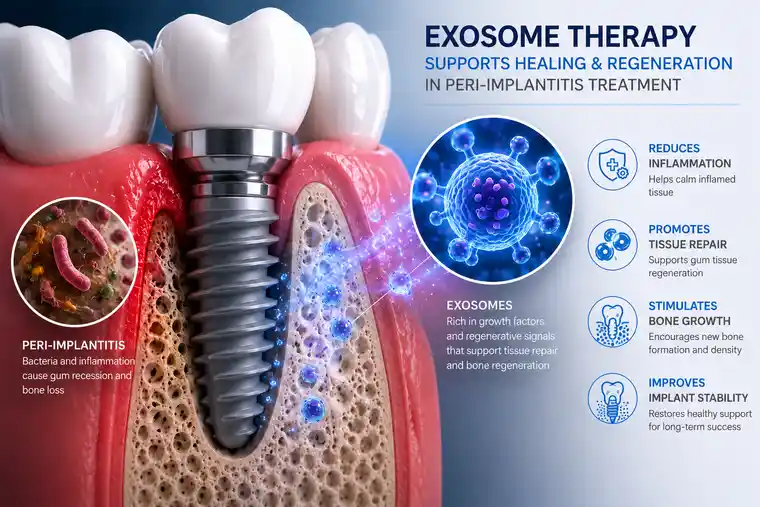
While traditional treatments are mainly designed to control the infection, exosome therapy takes a more regenerative approach. Here is how this procedure can help.
Support soft tissue regeneration
When peri-implantitis becomes chronic, it ruins the tissues and bone that holds your implant in place. While deep cleaning and disinfection can knock down bacteria and stop things from getting worse, they can’t make bones grow grow back, and this is where exosome treatment comes in
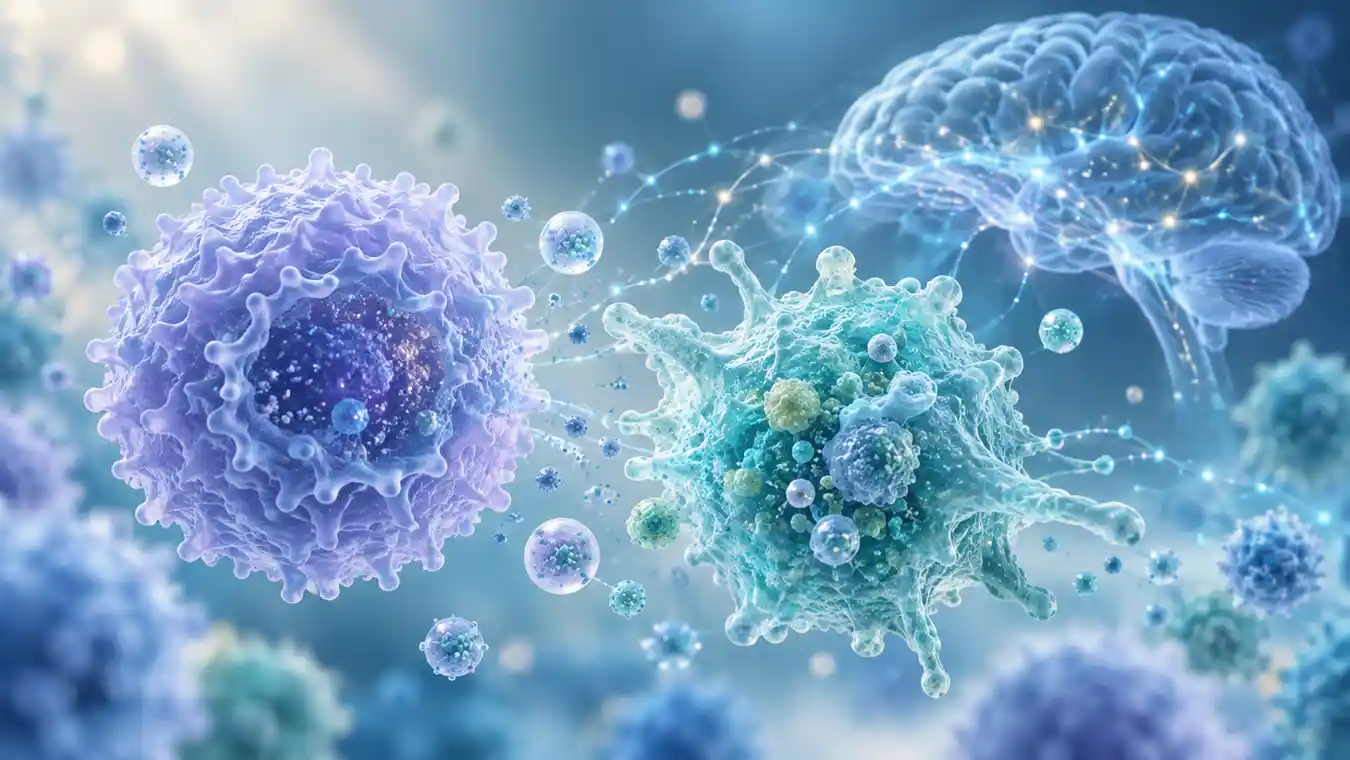
Exosomes carry all sorts of powerful signaling molecules that kick local gingival fibroblasts into gear, encouraging tissue regeneration and speeding up healing.
Reducing inflammation
Exosome therapy has also shown promising potential in helping to reduce excessive inflammation around dental implants.
Here is the idea behind it. Exosomes are packed with signalling molecules such as microRNAs and other bioactive compounds.
They are then programmed to interact with overactive immune cells, which are often responsible for chronic inflammation and tissue destruction and help regulate their activities.
In simple terms , they help shift the immune system from a destructive response to a more healing- focused state that support tissue repair
Enhance bone formation
Even after altering the progression of peri-implantitis, your body can not regenerate new bone around the dental implant.
The reason is quite simple: a metallic dental implant does not naturally have any biological connection with the body. So bone regeneration is often limited, if not completely impossible.
For new bone to form around an implant, biological stimulation is usually required. This is where exosomes, in combination with grafting materials, come in.
Exomosme can be loaded with BMPs and other signalling molecules to stimulate osteoblast activity and support angiogenesis.
Exosome as an adjunctive treatment
It is worth noting that exosome therapy is not a standalone treatment. It works best as a surgical adjunct to support healing.
For example;
- It can be combined with bone graft to accelerate bone volume gain.
- To reduce post surgical pain, exosomes can be loaded into biocompatible hydrogels to speed up tissue closure.
Can Infected Implants Be Saved?
Sometimes, yes. It really comes down to how bad the infection is and how fast you catch it
When can an implant be saved?
- Early stage: If you catch the infection early, like when it’s just in the gums (that’s peri-implant mucositis), you have got a great shot. Your dentist can usually handle the bacterial with deep cleaning and some antimicrobial rinses
- Advanced stage: If more than 50% of the bone has been lost, it will be very hard to save the implant. The obvious solution would be to surgically remove the implant, treat the infected area and install a new implant.
Final Thoughts on Peri-Implantitis Treatment
Peri-implantitis doesn’t automatically mean your implant is doomed. Catch it early and let a certified periodontist handle it, and you’ve got a real shot at keeping your implant healthy for many more years.
With that said, if you are starting to notice symptoms of peri-implantitis, DentSpa clinic in Istanbul, Turkey is one option worth considering. This clinic take a personalised approach to treating peri-implantitis infection. Whether the condition is still in its early stage or has progressed, their experienced periodontists adapt each treatment plan to the severity of the infection to support healing and long-term implant health.
FAQs
What is peri-implantitis and how serious is it?
Peri-implantitis is a severe bacterial infection that attacks the tissues and bone around dental implants. It is often considered to be one of the leading cause of implant failure. Clinical data shows that roughly 50% implant failure are caused by this inflammatory infection.
What are the symptoms of an infected dental implant?
Common symptoms, particularly at the early stage include gum bleeding, persistent bad odor, visible pus, gum swelling and redness. Once it progresses to the advance level, you may experience pain and implant mobility
Can peri-implantitis be cured or reversed?
When it comes to peri-implantitis, its early stage—called peri-mucositis—can actually be turned around with a good, deep cleaning. But once the infection gets to the point where you’re losing bone, the focus changes. Instead of reversing the problem, dentists look to control it and prevent it from getting any worse.
How is peri-implantitis treated?
Your peri-implantitis treatment plan is based upon how advanced your disease is. In a relatively early stage of peri-implantitis, your dentist may use one or a combination of non-surgical methods such as; mechanical cleaning, decontamination, etc. An advanced case of peri-implantitis typically requires surgery
Can exosomes support gum and tissue healing after peri-implantitis treatment?
Absolutely. Emerging evidence has shown that exosomes can be loaded with bioactive signalling molecules to influence how cells behave during the healing process.
For example, they can be used to stimulate fibroblast activity which will accelerate wound closure and fast tissue healing
Does an infected dental implant always need to be removed?
Not always. Early to moderate peri-implantitis can often be successfully treated without removal. However, if more than 50% of the bone has been lost, implant removal is inevitable.
How can I prevent peri-implantitis from happening in the first place?
Stopping peri-implantitis before it starts is way easier and cheaper than dealing with it develops. There are several ways in which you can help prevent peri-implantitis. One of them is by practicing good oral hygiene. Another one is by stopping smoking. If you suffer from bruxism (i.e., grinding your teeth), using night guards will also be helpful.
Something Feels Wrong Around the Implant?
Bleeding, swelling, bad taste, or loose feeling around an implant can be a sign of peri-implantitis.
Sometimes it is caught early. Sometimes the bone has already started to suffer. A proper check can show where things stand, and whether treatment can still help save the implant.