Regenerative Medicine

Written by Dr. Mehmet Kalcay (DentSpa)
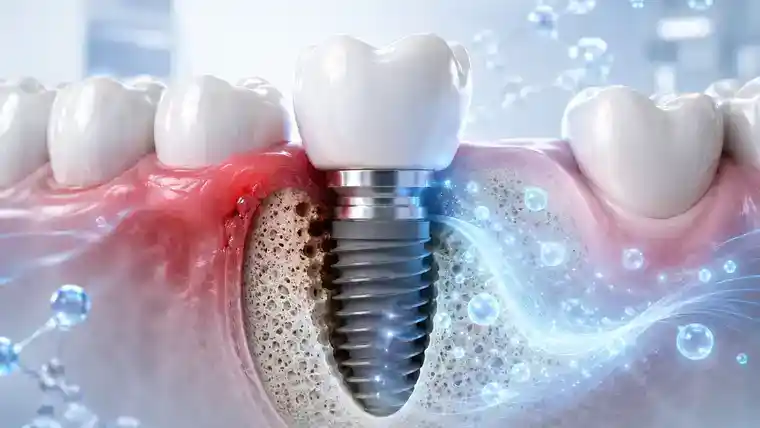
Wheen your dental implant heals the way it is supposed to, everything just feels so much better. You smile better and your confidence gets a real boost
But things can go south fast if the implant fails. Your gums start to swell, bleed, and let’s face it, the pain and bad breath aren’t exactly fun.
Now, here is the upside: a failed implant isn’t always the end of the story. Regenerative therapies like exosomes can make all the difference, sometimes stopping a problem before it gets worse or saving an implant that’s starting to go bad.
In this article, we will look at exactly why implants fail, and how regenerative medicine can improve implant success.
Failure of an implant occurs when there is a non-union or failure to osseointegrate at the post interface with the bone that surrounds the implants.
In these instances, removal of the failed implant will typically lead to replacement by another, new implant.
Not all complications however result in total loss of implant function. Minor problems detected early can sometimes be corrected through minimal adjustments or treatment thereby restoring the original function and integrity of the implant
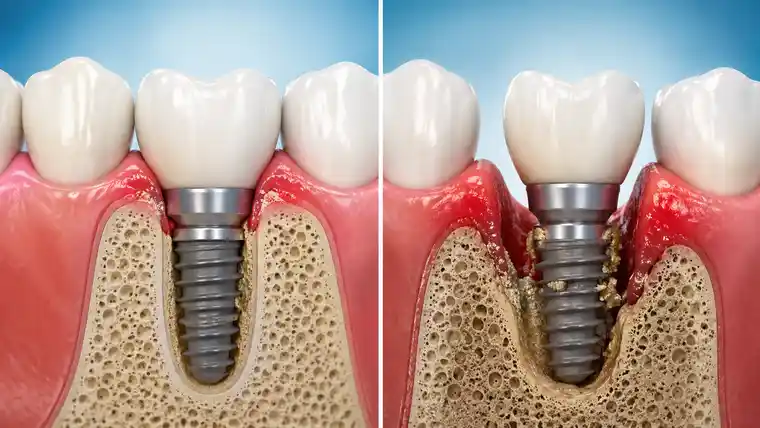
Breakdown in osseointegration process can happen during two main stages of the implants lifespan.
Early implant failure typically occurs within the first few months after surgery — Usually before or during osseointegration. Some common causes include
Late implant failure typically happens months, or even years after surgery and successful osseointegration. A lot of factors often contribute to late implant failure. They include
Below are some of the common causes of dental implants failure.
Peri-Implantitis is an inflammatory infection around the implant that is widely regarded as the leading cause of late implant failure. Here is how it happens
It should be noted that this condition is pretty severe and often requires professional dental treatment to manage and stop further damage.
This usually becomes noticeable within the first 3-6 months after implant placement. It occurs when the implant posts fails to properly fuse with the surrounding jawbone, causing the implant to become loose and unstable.
A number of factors can interfere with successful integration between the implant and the surrounding bones. Here are some of them
After dental implant placement, patients are often always advised to stop smoking.
The reason is simple: excessive use of cigarettes and other tobacco products can reduce the quality and quantity of blood that flows into the gums and surrounding bones
When healing is compromised, the risk of complications such as infections, implant failure/poor osseointegration becomes significantly higher.
This is one area where many people get it wrong. Even after your implant placement, you are still expected to brush and floss multiple times, daily to keep the area clean and healthy.
Neglecting oral hygiene after implant placement allows bacteria and plaque to build up around the implant site. When that happens, inflammation and infection can develop, increasing the risk of complications like Peri-implantitis and possible implant failure.
If you are suffering from systemic conditions like:
You are very much likely to experience complications or implant failure immediately after the surgery or later down the road.
Poor planning or surgical techniques can also compromise the long term stability of implants.
Examples of these technical errors include placing the implant at the wrong angle, positioning it too close to adjacent teeth, or selecting an unsuitable implant site altogether.
Problems can also arise if there is not enough bone to support the implant, yet placement is still attempted without addressing the deficiency first.
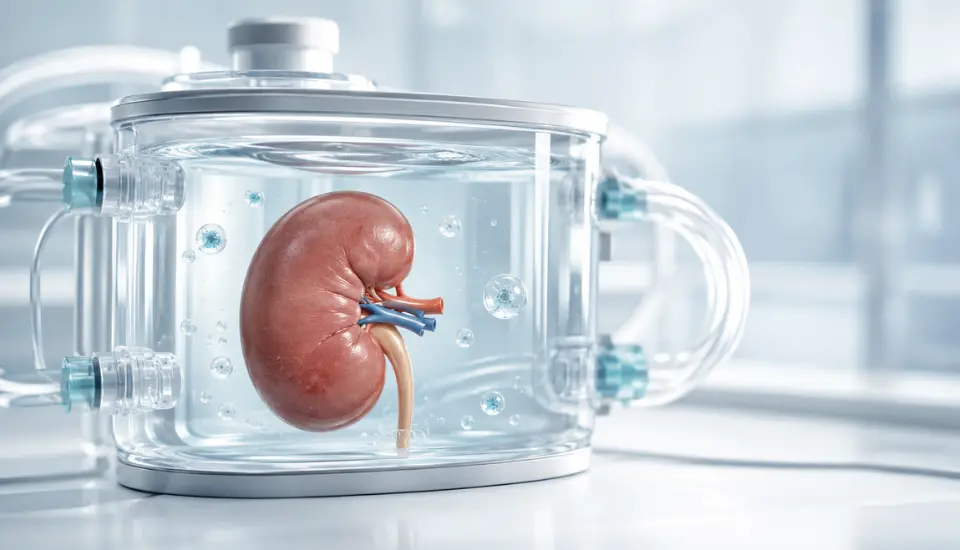
Regenerative medicine, particularly the use of exosomes, is slowly gaining attention in the field of implantology. It represents a huge shift from mechanical solutions to more biological solutions.
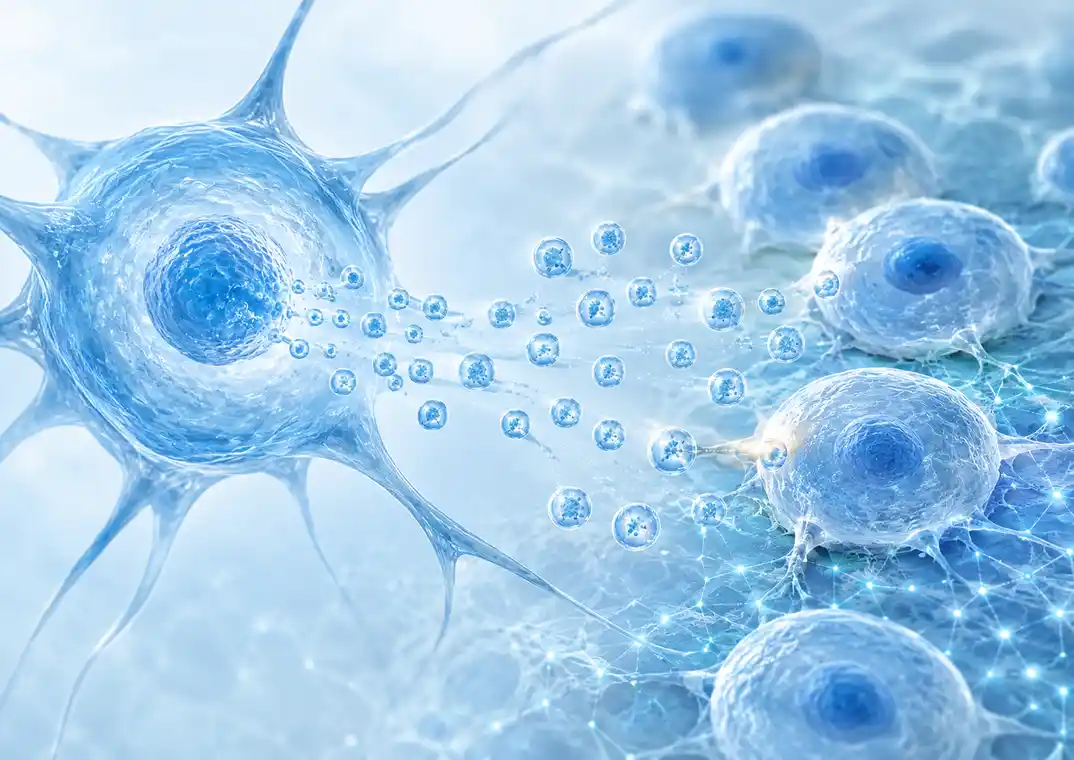
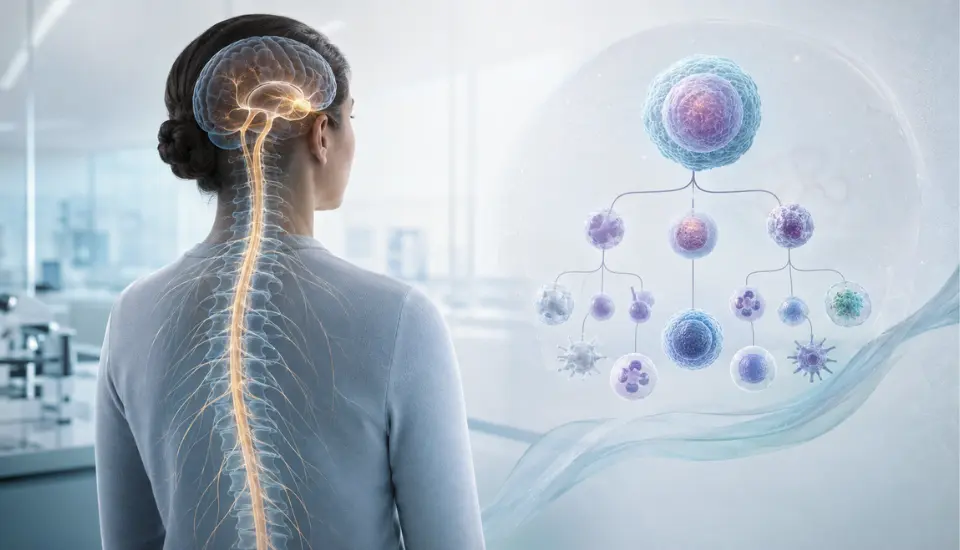
Exosomes are basically tiny extracellular vesicles derived from mesenchymal stem cells (MSCs) and reprogrammed to act as biological messengers to communicate with nearby tissues or cells.
They are packed with biological materials such as growth factors, microRNAs, signalling molecules and proteins and sent to malfunctioning cells. Once they reach target cells, they deliver these signals to help regulate healing, reduce inflammation, and encourage tissue repair and regeneration after implant placement.
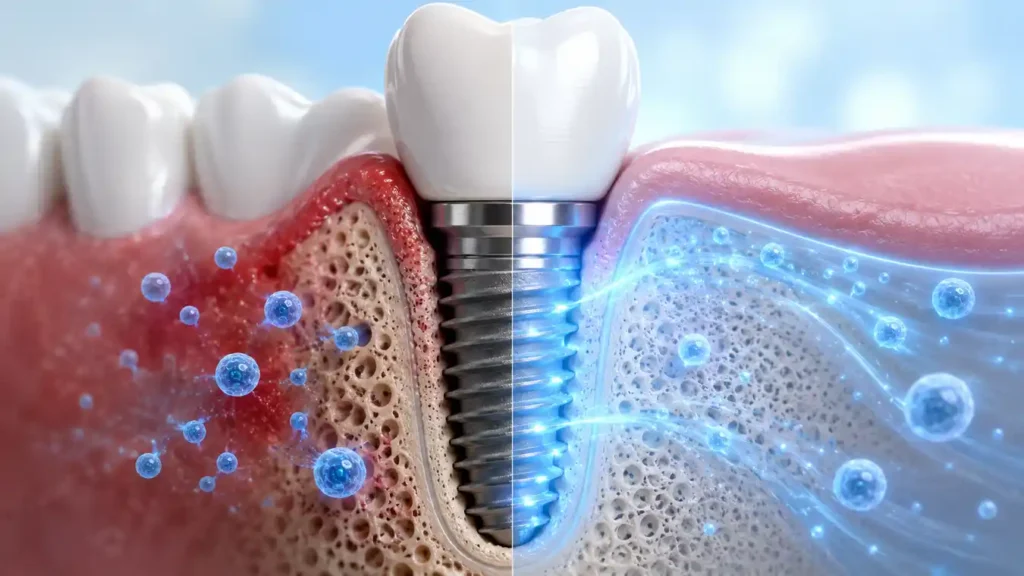
As studies have shown, regenerative therapy like the exosome therapy can improve implant success rate. Here is how.
Chronic inflammation is like the number one enemy of implant success. To keep it under control, researchers are looking at exosomes. These tiny vesicles can be designed to shut down those inflammatory cytokines or even reprogram macrophages before they get to the implant site..
When inflammation hits, it hurts the tissue and throws off normal bone healing. That means the implant might not blend in well with the jawbone.
Exosome therapy steps in here as a regenerative treatment. Early studies show exosomes can actually guide the cells that fix tissue and build new bone. That way, your body has a better shot at creating enough bone for a solid implant integration.
Gum tissues are essentially biological seals and their primary role is to help keep implants stabilized and the underlying bone free from bacteria.
When they become infected or loose, the long term stability of the implant can be compromised. This is where regenerative therapy may become useful.
Emerging regenerative treatments like exosome therapy are being studied for their ability to deliver growth factors and healing signals that may help accelerate gum tissue regeneration around implant sites
Emerging regenerative treatments like exosome therapy can also help level the playing field for patients who naturally have higher implant failure risk.
For example, the treatment can help accelerate healing time, improve osseointegration rates and reduce infection rate considerably.
Not every failed implant can’t be saved. In some situations, complete removal is often the safest and most effective option.
For examples
So, to answer the question: can regenerative treatment improve implant success rate. The simple answer is yes. Emerging regenerative regenerative treatments like exosomes therapy have shown promising potential in supporting healing, and improving tissue regeneration around implant.
It should however be noted that they are not exactly magic solutions. These treatments tend to work best when problems are identified earlier during the recovery phase before they become severe.
That being said, if you are considering dental implants and want a treatment plan with focus on safety and long-term success, DentSpa has you covered.
This Turkish-based clinic has a team of experienced dental professionals who make use of modern tools and safe treatment techniques to deliver high quality dental care.
The primary cause of dental implant failure is peri-implantitis. Poor osseointegration follows in second place. Biomechanical stress, uncontrollable disease and some technical errors can also cause it to fail.
You can pretty easily confuse the symptoms of dental implant failure with common oral disease.
More often than not, the biggest telltale signs that your implant is failing include persistent gum bleeding, pus discharge, bone loss, deep pockets forming along gumline, and bad mouth odour
The majority of times this will depend on how far gone the damaged area is, and more importantly, how soon it was found. For example, if conditions related to peri-implantitis are identified at an early stage (before serious bone loss occurs), then a combination of basic oral care practices (i.e., regular dental cleanings by a hygienist, use of antibiotic medications) may control the infections and stabilise the implant.
If the failure is extensive, particularly those failures which include significant movement of the implant, the dentist will likely recommend removal of the entire implant
Keeping your implant healthy starts with absolute basics. Brush and floss every day. It helps keep your implant stable and stops trouble before it starts. Scheduling a session with your dentist for professional cleanings at least once every 3 or 4 also goes a long way too. If you suffer from bruxism, try to wear a mouthguard at night.
Regenerative treatments (such as exosomes) show much promise for treating dental implant failures, and improving outcomes in revisions of failed implants. However, as an emerging therapy, exosome based regenerative treatments are relatively new and are not widely used as an established protocol for the treatment of failed dental implants throughout most countries. Therefore, before pursuing these treatments, you will want to be sure that your care provider is one which has been appropriately certified/regulated by your country’s governing body to provide these services safely.
Usually there is no fixed timeline for full recovery, it depends solely on what is done. For example, recovery time for early peri-implantitis treatment can be around 1 to 2 weeks
For complete revision (implant removal + bone grafting + replacement), recovery time can be between 8 to 12 months
In some cases, patient-related factors may contribute. In other cases, it may be linked to clinical error. Sometimes, it is a combination of both or even no one.
The most important thing to note though, is that when an implant fails, playing the blame game will not fix the issue. What matters more is identifying the cause and taking necessary steps to fix and also prevent reoccurrence
Bleeding, swelling, bad smell, or movement around an implant can be a warning sign. Sometimes the problem is still early. Sometimes the bone and gum around the implant already need closer attention.
A proper check can show what caused the problem, whether the implant can still be saved, and if regenerative therapy may support the next step.