Written by Dr. Mehmet Kalcay (DentSpa)
Ways to Speed Up Healing After Dental Surgery with Modern Regenerative Therapies
Have you just had dental surgery? You’re home, ice pack pressed to your cheek, wondering exactly how long this is going to take. There’s nothing wrong with thinking of how to speed up healing after dental surgery, or trying to figure out how to reduce swelling after tooth extraction, or even hoping for a faster implant recovery process.
With modern dentistry, it’s not an unrealistic goal. You can directly help your body, which is already working hard to heal you, work smarter, not just harder.
In this guide, we will cover how oral healing actually works, what can slow it down, and the regenerative therapies that boost what recovery looks like today.
Table of Contents
How Oral Wound Healing Works
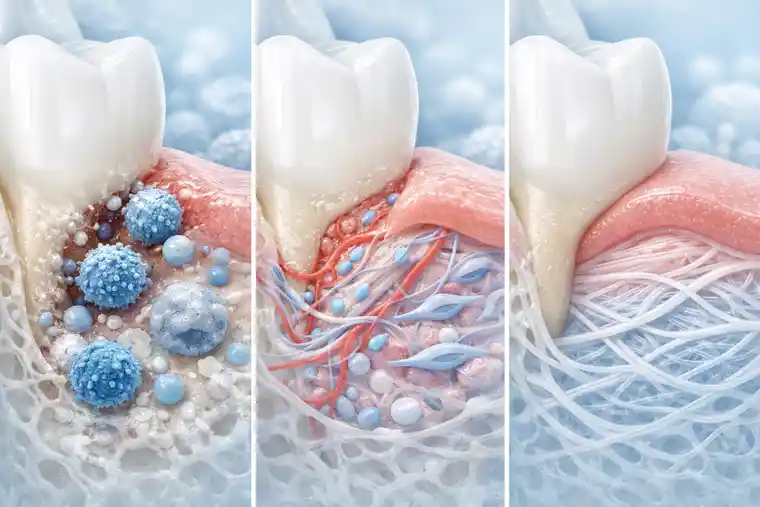
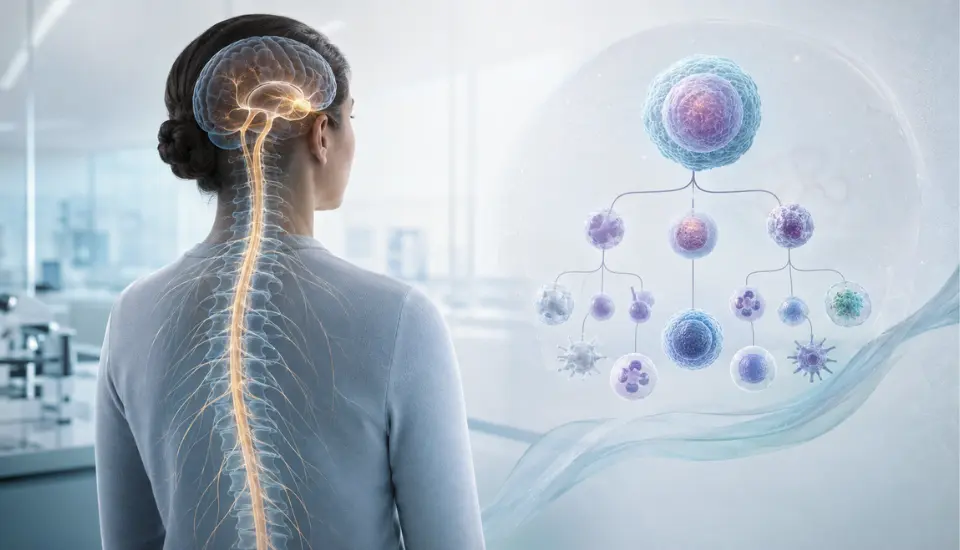
Oral healing is not a single event. It is a coordinated process that happens in phases. You don’t just wake up one day hurt and the next day fully healed. The body heals oral wounds in three phases, one layer at a time. These phases are
Phase 1: Inflammation
This happens between days 1 and 3 of your healing. White blood cells rush into the wound. This makes it swell. At the same time, the foundation for your repair is laid. As normal and important as this stage is, it makes the mouth feel very uncomfortable.
Phase 2: Tissue Formation
This occurs between days 3 and 14. The new blood vessels sprout. Collagen is laid down. Then, granulation tissue fills the wound. This is where you start feeling better.
Phase 3: Remodeling
Over the next 6 weeks and 12 months, your body works to strengthen the treatment area. It organizes collagen fibers to make the area resilient and stable. Then it makes implants undergo a process called osseointegration. This process is where they become one with your jawbone.
The remodeling phase is especially important for implant patients as it is the phase that determines the success of the procedure.
Factors That Delay Healing
Before we talk about what speeds up healing, it is important to know what works against it.
1. Smoking
The nicotine the body gets when smoking tightens the blood vessels. This stops oxygen and other nutrients from reaching the wound. The suction of inhaling can also dislodge blood clots, which raises the risk of dry socket in the mouth. Just like smoking, vaping risks and slows down recovery in the same way.
2. Diabetes
A poorly controlled blood sugar impairs immune cell function. It also disrupts collagen production and damages the small blood vessels that carry healing resources to the wound. Managing your blood sugar can either slow or speed up healing after dental surgery.
3. Age
With age, collagen synthesis will slow, and cell migration will become weaker. This doesn’t mean dental surgery is impossible. It just means you have to consider your options more carefully. You also have to give your body a bigger timeline for recovery.
4. Poor Oral Hygiene
There are more than a hundred bacteria living in the mouth at any time. This means a surgical wound in your mouth leaves your entire body in a vulnerable state. You have to regularly rinse your mouth with saline and carefully brush around the area, as your dentist instructed. This matters a lot because getting infected reduces your healing speed.
How To Support Oral Healing
Over the past decade, dentistry has moved well beyond gauze and ibuprofen. Currently, the three advanced ways you can support your healing after surgery are:
1. Platelet Rich Plasma (PRP) and Platelet Rich Fibrin (PRF)
The two treatments start with a small sample of your blood being drawn from your body. After it’s spun in a centrifuge to concentrate the platelets, it now contains PDGF, TGF-beta, and VEGF, and other growth factors to help heal the body.
When the platelets return to the body, they help reproduce cells. They also boost collagen and grow new blood vessels faster to speed up healing.
PRF is the newer version of the two. It releases these factors slowly and sustainably without anticoagulants, making it the preferred choice for most after surgery applications. The technique became accepted in 2024, after an umbrella review that showed PRP and PRF advantages across different fields in dentistry.
2. Exosomes
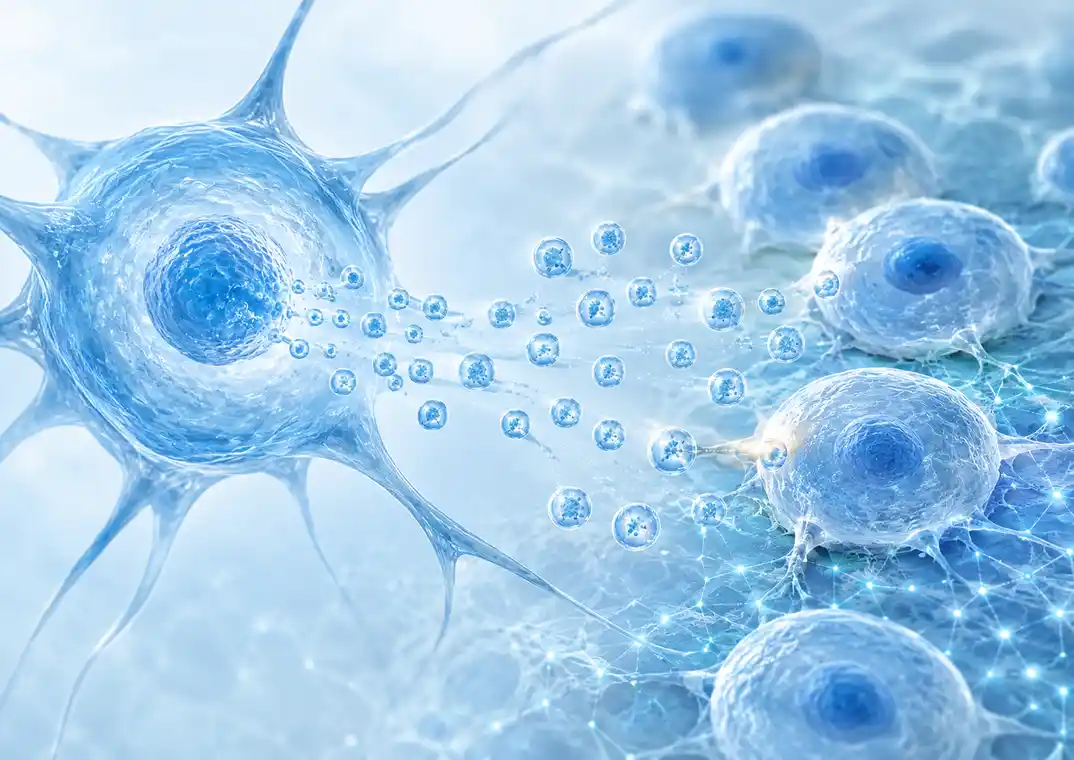
Exosomes are tiny biological messengers that are about 30 to 150 nanometers wide. They are secreted by the cells and are loaded with proteins, growth factors, and microRNAs. They are collected from special repair cells (mesenchymal stem cells) and provide all the healing benefits without the risks of using actual live cells.
Exosomes reset the immune system to lower swelling levels. They signal the body to repair and reduce damaged areas. They also encourage the growth of new blood vessels to nourish the healing site.
Note: Exosome therapy is restricted in many markets, so your provider has to be transparent about where they got theirs before you use it.
3. Stem-Cell-Derived Products
When stem cells grow in a lab, they release growth factors into the liquid around them. This liquid, called conditioned media, is a powerful treatment tool when used. It provides the same healing benefits as stem cells without actually being the cells themselves.
Today, scientists are using cells from inside the teeth and the gum ligaments to study how this liquid can regrow bone or fix gum tissue.
How Exosomes Can Accelerate Healing
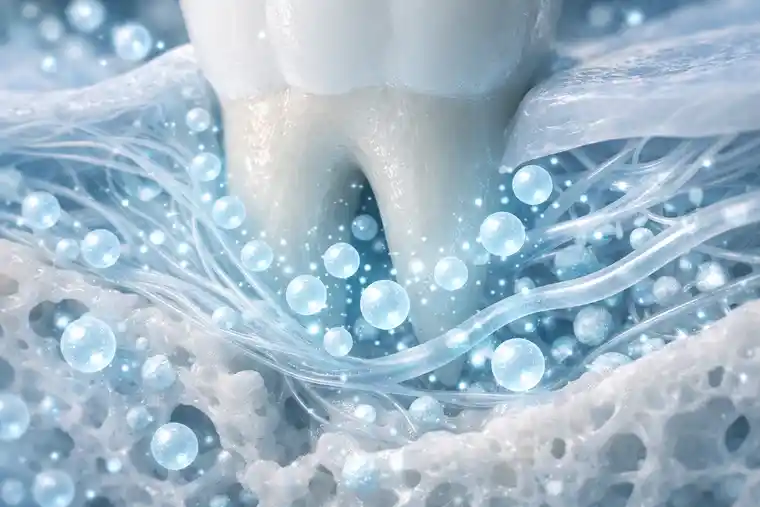
It is easy to see exosomes as commander-level cells in the body that can order the body out of wasting time in irritation and send it into quick, organized repair. Here’s how they can assist your body’s healing.
Inflammation Modulation
Steroids usually just “turn off” inflammation, but exosomes work differently. They are smart messengers that teach the immune system to fix itself. They correct immune cells, like the macrophages, from their warrior state, which causes swelling, into a builder state that handles healing.
Then they naturally boost cells like IL-10, which supports irritation, and turn down alarm proteins like TNF-alpha, which supports pain and swelling. This is important for patients looking to reduce swelling after tooth extraction or other oral procedures.
Improved Tissue Repair
When exosomes start working, they carry genetic instructions (microRNAs) that tell your body exactly how to build. They wake up builder cells called fibroblasts, which help close and heal much quicker than they would naturally.
While they are healing the wounds, exosomes also ensure the new tissues are thicker and more organized than a messy patch. They also balance the different types of collagen to ensure the area is strong without becoming stiff or scarred.
Enhanced Blood Supply
The body needs a “supply line” of blood for it to heal effectively, and exosomes can help out here. They give out specific instructions that trigger VEGF, a natural protein that signals the body to sprout new blood vessels, a process called angiogenesis.
In external studies on jawbone defects, researchers found that using exosomes led to significantly better bone growth. This was because the area has a better blood supply to feed the new tissue. This means that for those hoping for faster implant recovery, exosomes are helpful, as better blood flow helps the bone “grip” the implant much faster.
Applications in Dental Surgery
Improved healing methods mean nothing if they can’t be implemented into the body. Here’s how dentists apply the methods that support oral healing into their daily procedures.
Tooth Extraction
When a tooth gets pulled, placing a PRF membrane over the exposed jawbone helps reduce the risk of a dry socket. The PRF membrane acts like a bandage which keeps the bone from shrinking. By extension, it also improves the odds of any future implant coming to that exposed site.
Wisdom Tooth Surgery
Studies on wisdom tooth removal (third molars) show that using PRF makes a major difference in how patients feel after the surgery. With PRF, patients deal with less pain and swelling, faster healing due to gum recovery, and a smoother experience as long as good oral care is maintained.
That means:
Regenerative Support (PRF) + Good Aftercare = Faster, Pain-Free Healing.
Implant Placement
PRP and PRF help dental implants root into the jaw by acting as a biological glue. They make the bone-forming cells get to work immediately, then build a blood supply network to them. This is what leads to an evolved bone growth. PRP and PRF jumpstart the process where your jawbone grows around and grips the new implant, which leads to a faster implant recovery time.
Bone Grafting
Bone grafts have one of the longest healing times in dentistry. It ranges from six months to a year. The combination of graft material with PRF or exosomes leads to a result that improves many things in the body. Examples are bone density, defect fill, and integration quality. PRF can also help to hold the graft material in place. Which means it can release growth factors into the healing site while acting as a glue.
Conclusion
PRP, PRF, exosomes, and other biological therapies are not magic. They are smart methods to boost and improve what your body already does. They reduce swelling without shutting it down, increase tissue growth, and improve blood supply to the needed sites. All of which helps your body evolve its bone and soft tissue growth.
What you can take away from this is that you are not powerless in your recovery. But that will mean getting yourself a good dental team. That dental team has to be upfront about what they are seeing and what recovery method makes sense for your specific situation.
The dental team at DentSpa Clinic in Turkey is one such example. The clinic has teams of highly experienced surgeons armed with the latest in medical tools and equipment. Their expertise and careful care of each patient’s case have helped them earn an award for the Best Dental Clinic in Europe.
For access to their knowledge, book a free online consultation with DentSpa today. That way, you can find out what procedure best fits your situation and take a proactive step in your recovery now.
Stay Updated
Want to keep reading? Our blog is where we post new guides, clinic updates, and straightforward tips you can actually use. If you’re considering treatment and want to talk it through, contact MedClinics and we’ll point you in the right direction.
FAQs About How to Speed Up Healing After Dental Surgery
What is the fastest way to heal after a tooth extraction?
Healing quickly after a tooth extraction requires you to pay attention to what the doc says and follow through. Avoid smoking, stay well-nourished, and keep the area of the extraction fairly clean.
How long does it take to recover from dental implant surgery?
It takes over a year in total. Initial soft tissue healing is 1 or 2 weeks, while osseointegration takes 3 to 6 months. Bone maturation takes up the remaining time. You can use PRF to support faster implant recovery during the early healing and stability phase.
Do exosomes reduce swelling after dental surgery?
Yes, they do. Research has shown that exosomes can reduce swelling by nearly 40% in the 6 to 24 hours after their application. They do this by controlling the swelling at the cellular level. Exosomes are not a common treatment yet. So you should discuss with your clinic before assuming it’s what they’ll use on you.
How can I reduce pain after oral surgery?
In the first 24 hours, stick to the medication your dentist gave you and keep your head raised at all times. After that, you can take ibuprofen if it’s safe for you, then put ice outside your cheek on the sore spot to help with the pain. You should also stay away from hot foods, alcohol, and things that make you suck through your mouth. If the pain still gets worse over the next few days, call your dentist.
When should I contact my dentist after surgery?
You should call your dentist as soon as:
a. You start experiencing a fever above 101℉,
b. You notice your pain is growing worse even after the first three days,
c. Your wound bleeds for a long period or releases pus,
d. Or, the wound keeps swelling even after 48 hours.
These can all be signs of an infection or complications after the surgery.
Can healing time be shortened safely?
Yes, within limits. You can help your body’s healing by taking more protein, vitamin C, and calcium. Your dentist can also help by giving you PRF or exosome options, if they are available.