
Written by Dr. Mehmet Kalcay (DentSpa)
When Dental Work Does Not Feel Right
You spent time and money getting dental work done, and now, just a week or a month after, you are staring in the mirror and everything suddenly feels wrong, you think you got bad dental work.
Maybe the veneer looks off, your new crown does not blend with your other teeth, or your gum looks inflamed. So now, you are just standing there and wondering: “Am I stuck with this forever, or can I get it fixed?”
The short answer is; most dental work can be fixed or reversed. The only catch is that the procedure is slightly complicated and it may come with additional costs.
However, if you want the full picture, this article will break down everything you need to know about fixing bad dentistry
Table of Contents
Signs Your Dental Work May Not Be Right
Before a dental issue can be classified as a case of bad dentistry, there are certain symptoms that must show. Below are some of them:
Lingering pain
After dental procedures like canal treatment, crowns, etc, it is totally normal to feel some discomfort in the first few weeks.
However, if the pain persists or worsens, that could be an indicator that all is not well and you need expert care.
Severe sensitivity
After your root canal, filling, or crown placement, it is normal to experience some mild sensitivity during the first weeks.
However, if the sensitivity persists and becomes unbreakable such that you can’t take acidic foods, hot drinks, or even cold water, then that is your cue that something went wrong during your surgery.
In many cases, this happens when the inner nerves have been irritated or damaged during treatment.
Cosmetic failure
You have received crowns and now after one or two weeks (or possibly a little longer) you begin to notice an issue. The crown does not match the color of your existing teeth; the crown has an unusual form; the crown appears overly opaque; or there is a line of metal where you would like to see the front of your tooth.
All of these issues indicate poor quality dental work. Veneers operate under similar circumstances. When veneers appear so bright as to be blinding, take an irregular form, or show their edges, the placement was clearly incorrect
Disordered Occlusion
After receiving crowns or fillings, you discover that you cannot eat normally; there is an obvious space between your teeth; and/or you feel pain in your jaws.
This is an indicator that the procedure disrupted your normal occlusal relationship. In most cases, this occurs when the dental work is improperly positioned.
Recurrent infections
After your dental work, if you continue to experience worsening pain, localized swelling, that is a strong sign that something isn’t right.
Most times, this points to complications from the initial procedure, often due to lingering bacteria, incomplete treatment, or contamination during the process.
Fixed vs Reversed: What Is Actually Possible?
A lot of patients say they want the treatment reversed, but most of the time they simply want it to look and feel normal again.
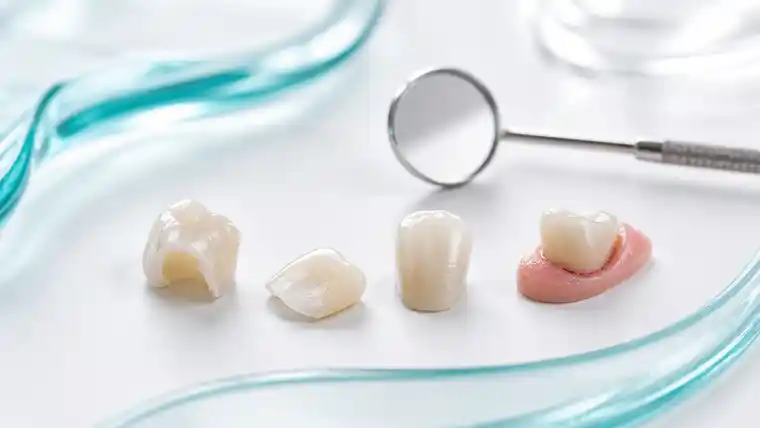
That is usually possible. A crown can be changed. A filling can be removed and redone. Veneers can sometimes be replaced too.
The only thing is, teeth are not like hair or nails. Once part of the natural tooth has been filed or drilled, it does not grow back. So the aim is not always to take everything back to day one. It is to fix what went wrong and protect the tooth from getting worse.
Dental Problems That Can Often Be Corrected
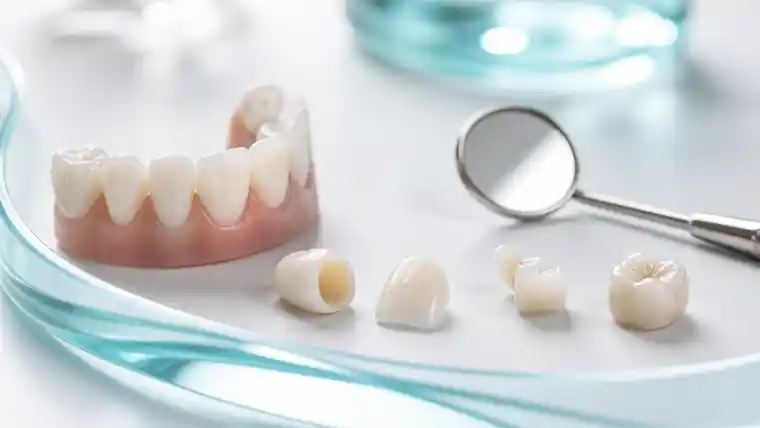
Most dental work can actually be fixed if something goes wrong down the line. In this section, we will look at the ones that are fixable, the process involved, and the possible drawbacks you should be aware of.
Dental veneers
Yes, it is very tricky, but poorly done veneers can still be fixed provided the underlying enamel is still intact.
The process typically starts with the careful removal of existing/defective veneers, and a new one is crafted and placed in.
It is a fairly simple process, but the downside is that you also risk damaging more tooth structure in which case you would need a crown instead.
Dental crowns
If a crown does not fit right, it will not only be aesthetically displeasing, you will also experience symptoms like gum irritation, inflammation, and chronic pain.
The good news is that this isn’t a permanent problem. Your dentist will first of all remove the old crown, clean and disinfect the site, then install a new crown. Since your tooth’s already been prepped, swapping out the crown is usually a pretty simple fix.
Old or leaky composite filling
If your fillings have failed or are failing, you will notice that your teeth have gotten more sensitive, you experience pain when you chew, and food starts sticking in those little gaps.
To fix this, your dentist will simply take out the old filling, clean out any debris and decay, treat the area for infection, and then fill it up again.
Just remember, when the dentist removes a filling, sometimes that means taking out a bit of the healthy tooth as well.
Root canal
Failed root canal treatment can also be retreated successfully provided it is handled by a specialist. The retreatment process would typically involve the removal of old filings from the canals.
Then the canal will be re-cleaned, disinfected, and reshaped. After this, new filling materials will be stuffed into the canal, and if needed, new crowns will be placed in.
Invisalign/Braces
If you notice your teeth have started shifting back after completing treatment with braces or Invisalign, it can usually be corrected
In many cases, your dentist will likely recommend a permanent retainer that will hold the teeth together to prevent future shifting
How to Avoid Bad Dental Work in the First Place
When it comes to dental care, nothing will ever beat getting it right the first time. In addition to the money you will save, your recovery time will also not be prolonged. Here’s how to minimize your risk:
- Before committing to any major dental work, ensure that you make research about your dentist/dental clinic. You can do this by connecting with their past patients and asking how their procedure went. You can also check online communities for patient testimonials and reviews.
- If you are getting cosmetic dental work, insist that they capture your digital smile so that you’ll have a prior idea of what you’re getting.
- If anything seems odd during your dental treatment, please speak up. It’s preferable to stop and correct any problems, rather than continuing with poor-quality work.
- As much as possible, try to opt for specialist dentists (specialising in particular areas) instead of general dentists for complicated dental treatments. For instance, for gum surgery or implantations, see a periodontist.
Get Dental Care Done Right the First Time
In actual sense, most problematic dental care procedures can be corrected. The downside is they often come with added risks, extra costs, and more time in the chair. That’s why getting it done properly the first time is really important. It saves you stress, money, and unnecessary repeat treatments.
That said, whether you are a local patient or abroad, if you are dealing with problematic dental work or you are just about to get one, DentSpa in Istanbul, Turkey is an option worth considering.
Frequently Asked Questions About Fixing Bad Dental Work
How expensive is it to repair poorly done dental work?
The costs are usually dependent upon which correction(s) that you need, and which part of the world you live in. An example would be; an individual crown replacement can cost anywhere from 200 euros / 350 euros in Turkey and $1000-$2000 in the United States
One thing you have to note is that corrective work often cost the same as the original treatment (sometimes even more if additional damage occurred)
What are options if I feel like my dentist has ruined my teeth?
Get an independent dentist to confirm what the first dentist did wrong.
If confirmed by the other dentist, try and resolve the problem directly with your original dentist. Maybe they will correct it at no cost, or provide you some kind of discount.
But, if they refuse, and you think there was negligence involved in ruining your teeth; file a complaint against your original dentist with your state dental board.
Is it normal to have problems after dental work?
Yes, but they are often temporary, often lasting a few days to a few weeks. However, if you continue to experience difficulties like pain, chronic sensitivity, bite problem, then you may need to get it checked out
What’s the difference between bad dental work and just not liking the aesthetic result?
Bad dental work involves technical failures: crowns that don’t fit, persistent infections, bite problems, nerve damage, decay, and many others.
Anything outside these can be considered an “aesthetic” issue. That is, the treatment technically works, it just does not match your personal vision.
Can I Go to Another Dentist to Correct Bad Dental Work?
It depends. From a financial point of view, it often makes more sense to return to the original dentist, as they may offer a discount or even fix the issue for free.
However, if trust has been completely broken, it may make more sense to see a different dentist for your corrective treatment. In simple terms, it all comes down to your choice and what you’re comfortable with.