Written by Dr. Mehmet Kalcay (DentSpa)
Why Exosome Therapy for Dental Implants Is Getting Attention
More often than not, the long-term success of a dental implant is dependent on the length of time it takes for the body to heal. The sooner the body heals, the sooner will the osseointegration process be completed and the less likely there are to be complications from the procedure.
While traditional healing methods have done a decent job for years, the process still drags on. Recovery can take a while, and the truth is, nobody likes hanging around not knowing exactly how things will turn out.
As a result of this, clinicians continues to explore newer ways to speed things up. One technique that is gaining attention is exosome therapy. This regenerative technique has shown great signs that it can accelerate tissue repair and make osseointegration 10 times faster!
So, what exactly are exosomes and how do they aid healing and faster osseointegration? These questions and more are what you are going to answer in this article.
What Are Exosomes?
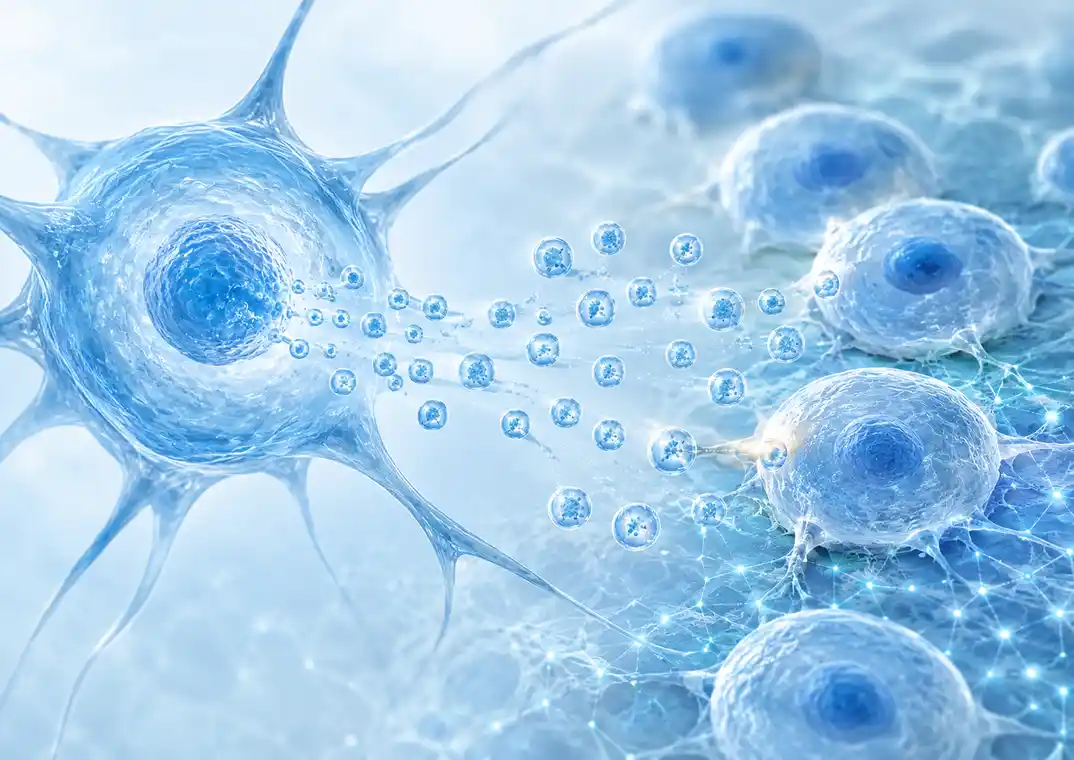
Exosomes are basically cell’s deliberate discharge and they play an important role in cellular communications. They are usually between 30 and 150 nanometers in size and they are made up of biological materials such as proteins, lipids, RNA, and other important molecules.
Here is how it works: when the cells in the body release exosomes, they travel to other cells and deliver specific chemical that will influence how target cells behave. Whether that means coordinating healing, promoting tissue regeneration and many more.
Exosome therapy has many applications. They can be injected into the skin cell to aid the rejuvenation of the skin. Clinical trials have also shown that they can address skin texture issues, acne scars, hair restoration, and severe hyperpigmentation.
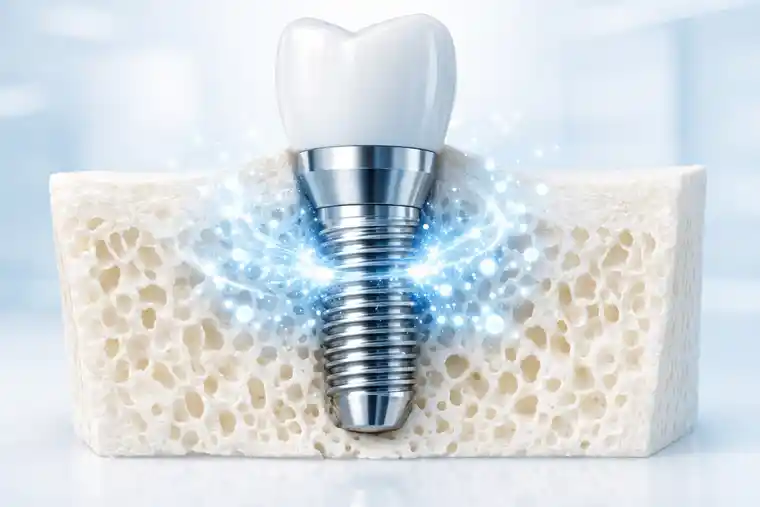
Beyond cosmetic uses, exosomes, if applied correctly can also improve healing and tissue integration around dental implants. Additional clinical results have also shown that this technique can support faster and more efficient recovery.
Exosomes vs Stem Cells: What’s the Difference?
Stem cells and exosomes aren’t interchangeable. Here’s what sets them apart.
| Exosomes | Stem cells |
|---|---|
| Exosomes are not exactly living cells | Stem cells are living cells |
| Stem cell vesicles are essentially very small, non-living structures that are produced by stem cells. Their function is to transport proteins and genetic information to the site where the cell has died or is dying in order to stimulate cellular regeneration. | Stem cells are living, self- replicating cells which can be utilized to either repair or regenerate damaged tissue. |
| In simple terms, they tell dead cells how to rebuild | Unlike exosomes that act as messengers, stem cells do the rebuilding directly. |
What Osseointegration Means and Why It Matters
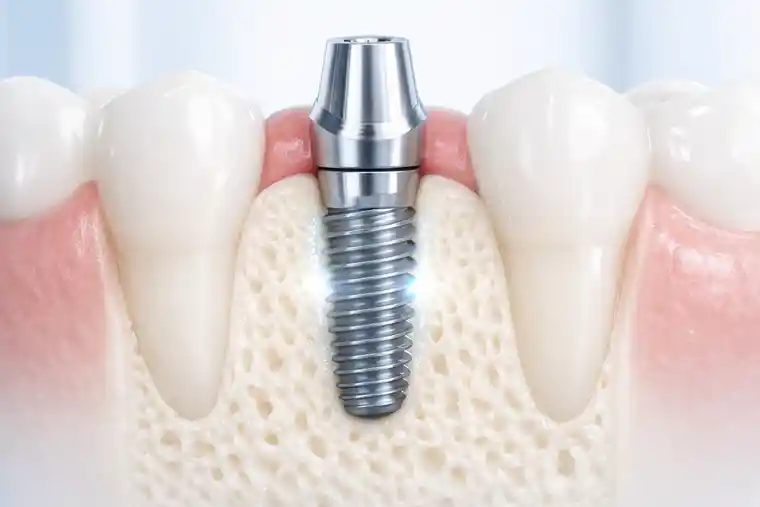
Osseointegration is a medical term used to refer to the direct and functional connection between the tissue around your jawbone and the surface of the implants. In simple terms, it is the stage where your jawbone fuses with the implant, locking it firmly in place.
The osseointegration process always commences after the implant has been screwed into your jawbone. It goes without saying that this stage is arguably the most critical phase of your treatment.
Why? because how quickly and successfully osseointegration happens largely determines how stable, strong, and long-lasting your implant will be.
In another word, if everything goes as planned, your implant will feel and function just like your natural tooth. Conversely, if the bonding process fails, the entire procedure can be compromised.
What Affects Implant Stability?
Implant stability is generally influenced by several geometric or biological factors. They include:
- How dense a jawbone is often determines whether an implant will be stable. For example, dense bones such as the mandible tend to provide stronger and more reliable support. In contrast, porous bone, like the posterior maxilla may offer less stability.
- The size and design of the implant also affect stability. Longer and wider implants for example tend to offer higher stability than ones with parallel-walled designs.
- The surgical technique used by the surgeon also plays a major role in stable the implant will. For instance, if they over or under prepare the surgery site, implant stability may be affected.
- Your body’s ability to heal quickly also plays an important role in determining how stable the implant will be.
- Your overall health can also interfere with healing and integration, likewise daily habits like smoking and poor oral hygiene.
How Inflammation Can Affect Implant Success
Inflammation matters more than many patients think.
Some inflammation right after implant placement is normal. That is part of healing. Trouble starts when bacteria stay around the area and the inflammation does not calm down.
When that happens, the tissue and bone around the implant can begin to suffer. Over time, that support may weaken, and the implant can become less stable.
How Exosomes May Support Implant Healing
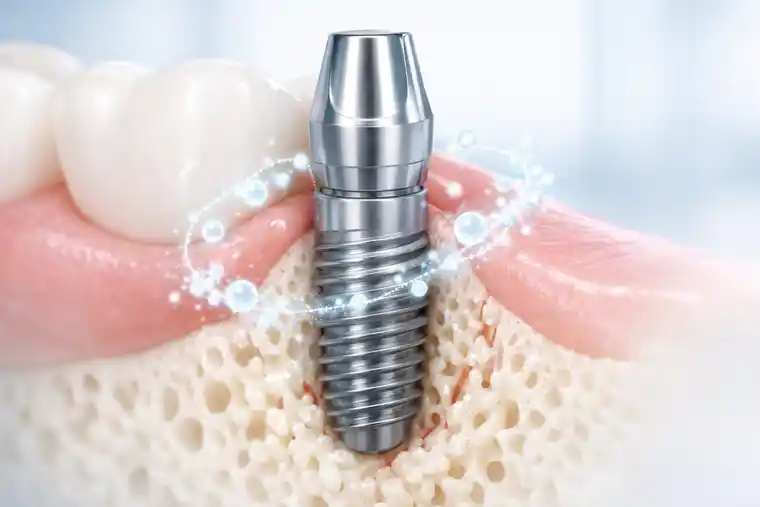
Exosome therapy is a developing treatment in regenerative dentistry that has the potential to accelerate and improve the healing process after a dental implant is placed. Here are 4 ways exosomes may assist with this healing process.
- Exosome therapy may be used to stimulate the osteoblasts (bone forming cells) to grow so that osseointegration can happen.
- Since dental implant site needs adequate blood supply to heal properly, exosome therapy may be used to stimulate the development of new blood vessels to enhance the healing process.
- Exosome therapy may also be able to modulate the inflammatory response to prevent a transition from mild to chronic inflammation.
- Exosomes may contribute to a faster and more comfortable recovery by promoting bone growth, improving blood circulation and regulating the inflammatory process.
Who May Benefit Most From This Treatment?
In theory, almost everyone is qualified to receive exosome therapy. However, people with compromised healing capabilities may benefit the most. Some of them include:
- Smokers, who are often exempted from a lot of surgical procedures, may actually benefit from exosome therapy to make their implant procedure a success.
- Diabetic patients: Since the procedure does not involve , many patients whose bodies often struggle to heal up due to diabetes can benefit massively from this treatment.
- Diabetes: Because diabetes can slow down healing time and also interfere with bone regeneration, many patients with the condition rarely qualify to receive dental implants. Now, with the existence of exosome therapy, their situation may be about to change for the better.
- Patients who have a low bone density usually cannot be considered for an implant until they have undergone bone grafting, which will help develop their jawbone. Thanks to exosomes’ ability to increase the number of osteoblasts, many of these patients will now be able to experience an increased chance of successful osseointegration.
- Older Patients: As people grow older, the rate at which their bodies heal naturally becomes much slower. As a result, many of them are rarely eligible for dental implants. It is here that other types of supportive therapies such as exosome therapy may be able to provide some of these same healing opportunities. Exosomes have been shown to promote bone forming cells, improve angiogenesis, reduce inflammation, and create an overall better environment for healing and recovery near the dental implant.
Safety and Regulatory Overview
The call for a more effective treatment to improve implant healing time and enhance faster osseointegration has led to the emergence of exosome therapy.
Clinical evidence has already shown that this procedure is far more effective than traditional healing methods plus it can also be used in other cosmetic and regenerative industries other than dental.
Although the treatment is under review in both the United States and the UK, there are clinics in Turkey where it has been approved and is available (Particularly those that are operating under GMP compliant facilities and are approved by the Turkish Ministry of Health)
Conclusion
Exosome therapy dental implants is becoming increasingly popular in regenerative implant dentistry because of its potential to improve implant healing and achieve faster osseointegration.
However, while clinical trials have shown clear promising signs, exosome therapy isn’t a replacement for surgical expertise, at least not yet. The reason is because the treatment is still being actively researched and more long-term data is needed before it becomes a standard standalone solution.
With that in mind, many dental clinics in Turkey, such as DentSpa still offer advanced dental treatments that align with regenerative medicine principles. Their services range from complete smile makeovers, dental implants to root canal treatments and many other comprehensive restorative solutions.
Stay Updated
Want to keep reading? Our blog is where we post new guides, clinic updates, and straightforward tips you can actually use. If you’re considering treatment and want to talk it through, contact MedClinics and we’ll point you in the right direction.
FAQs about Exosome Therapy for Dental Implants
Is exosome therapy for dental implants safe?
Early reports have shown that this procedure is safe as long as it is administered by a qualified surgeon in a properly regulated clinic. Like many regenerative procedures, when proper medical standards aren’t followed, complications such as immune reactions, infection, etc may surface.
Can exosomes help dental implants heal faster?
They may help.
Exosomes are being studied because they appear to support the kind of healing dental implants depend on, especially bone repair, blood supply, and the local healing response. That is why they are getting attention as a possible way to support faster recovery around implants.
How long does it take for dental implant to heal?
The body typically heals within the first week or so.
However, the amount of time required for total osseointegration depends on many factors including bot not limited to your overall health status, quality of your bone, age, and many other. On average, osseointegration period is usually within six months.
What can I do to promote or enhance the osseointegration of my dental implants?
Mostly, do not interfere with healing.
Keep the area clean, avoid smoking, and do not chew on the implant side too soon. If your bone is weak or limited, your dentist may suggest extra support to help the implant heal more firmly.
What are the risks of exosome therapy in dentistry?
In general, the treatment is considered supportive when it is used properly.
The main thing is where and how it is done. In a professional setting, exosome therapy is usually used to support healing around the implant site
Is exosome therapy approved for dental use?
In the USA, UK, and some parts of Europe, exosome therapy is still awaiting official approval. In Turkey, however, exosome therapy has been approved for cosmetic and regenerative application.