Written by Dr. Mehmet Kalcay (DentSpa)
How Regenerative Dentistry Works
As an adult, if you’ve ever had a filling done, used a crown, or even got a dental implant, that means you’ve used normal dentistry. Normal dentistry repairs damage, replaces what is lost, and restores function with materials that are like natural teeth. Regenerative dentistry, however, takes a different approach by helping the body rebuild damaged tissues instead of simply replacing them.
Meanwhile, regenerative dentistry focuses on tissue regeneration, helping the body rebuild its tissues instead of simply replacing them. It won’t cover the problem with artificial materials. Instead, it uses biological dental treatments to stimulate natural healing at a cellular level.
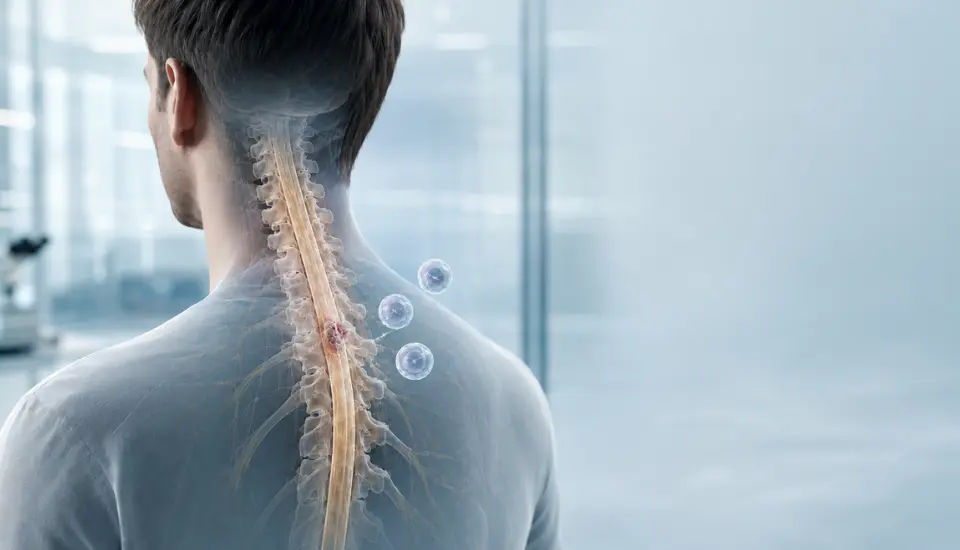
The world of dentistry is currently shifting from repair to regeneration as modern dental science continues to evolve. With new science, the body can support its healing systems using new methods like stem cells in dentistry, platelet concentrates, and even exosome dental therapy.
The goal is more than fixing a tooth. At this point, it’s to grow new tissue wherever possible.
Table of Contents
Biological Foundations of Regenerative Dentistry
To really get what regenerative dentistry is, you need to know the basics of what it’s changing.
Tissue Regeneration vs. Replacement
If you lose a tooth, normal methods will replace the missing tooth with one made out of composite resin, ceramic, or titanium. While they work perfectly well, you now have an extra something in your mouth.
Think of how your skin heals after you hurt yourself. You grow new cells, blood vessels reform, and then the tissue repairs itself. That’s regeneration. Regenerative dentistry tries to do the same healing, but inside the mouth.
Instead of simply filling a bone defect, it will cause new bone formation. Rather than removing swollen gum tissue, it will make them repair and reattach properly.
Cellular Signaling
Communication is how the body knows it’s hurt and should start healing. Your cells send signals between themselves using proteins and other tiny molecules in the body. These signals carry messages to tell nearby cells to divide, migrate, reduce what’s swollen, and make new tissues.
Regenerative dentistry taps into this natural communication system. It uses growth factors or other cell based methods to boost the signals that are already running through our bodies.
Role of Growth Factors
Growth factors are special proteins found in the blood platelets. It’s they who instruct nearby cells on when to grow, where to specialize, and when to start healing.
Imagine a sample of platelets is condensed to double or triple the amount of growth factors in it. Then this condensed mixture is applied to a wound or surgical site. What will happen? The platelets will release high signals that will support faster healing and better tissue organization. On the same note, stem cells are also capable of releasing powerful signaling molecules that also support regeneration.
This combination of cell regeneration and communication, along with growth factor utilization are the main pillar of biological dental treatments.
Main Technologies Used in Regenerative Dentistry
Now, let us look at the tools that make regenerative dentistry possible.
PRP and PRF
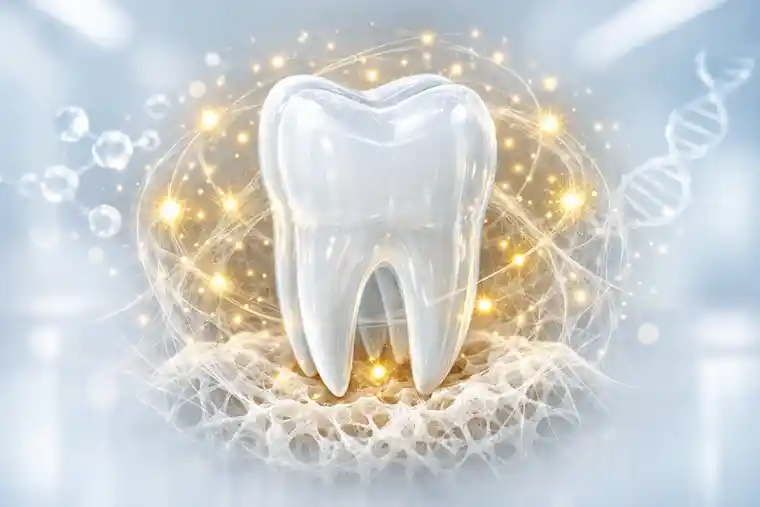
Platelet rich plasma and platelet-rich fibrin (PRF) are gotten from your blood. A small blood sample is drawn from you and spun in a centrifuge to concentrate or condense the platelets.
PRP is a liquid preparation that releases a burst of growth factors. PRF forms a fibrin matrix, which acts as a natural scaffold and releases growth factors more slowly.
These condensed platelets are widely used in many fields of medicine, such as implantology, periodontal therapy, and surgical procedures. Studies from the National Institutes of Health also shows that condensed platelet can boost soft tissue healing and improve early bone formation.
In simple terms, with PRP and PRF, you can deliver your body’s own healing ingredients exactly where they are needed.
Stem Cells in Dentistry
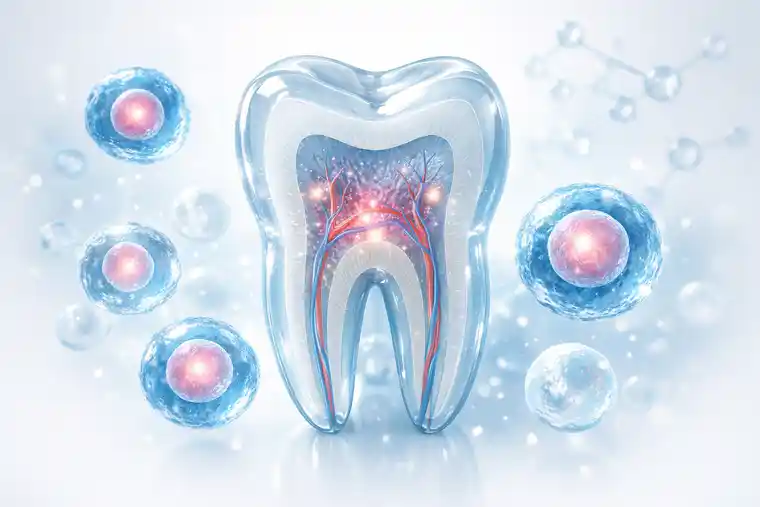
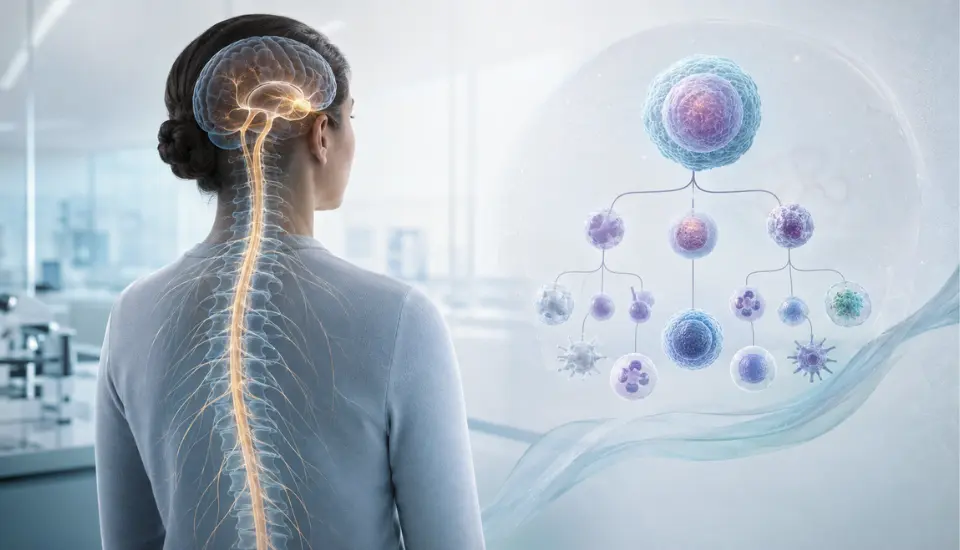
Stem cells are often described as master cells. They can transform into any type of cell depending on what the body requires. In dentistry, stem cells can be found in dental pulp, periodontal ligament, and even baby teeth. These cells can naturally grow into dentin, bone, and even connective tissue.
In medicine, stem cells are being studied so that we can use them in bone and pulp regeneration, or even advanced periodontal repair. While stable use is still limited, the recent research published in peer reviewed medical journals continue to show better and better results with time, one example is The Journal on Advances in Dental Pulp Stem Cell Biology and Applications.
The general idea for this research is actually very simple. If we can use stem cells to rebuild damaged tissues, then we are closer to true biological tooth restoration.
Exosome Dental Therapy
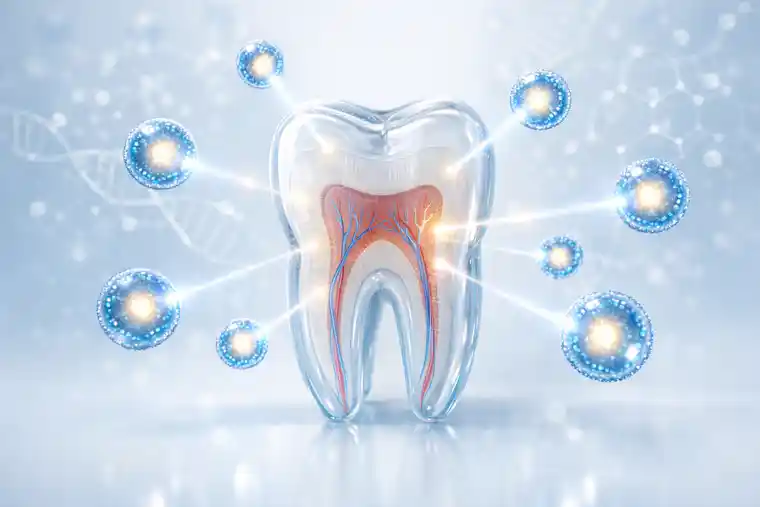
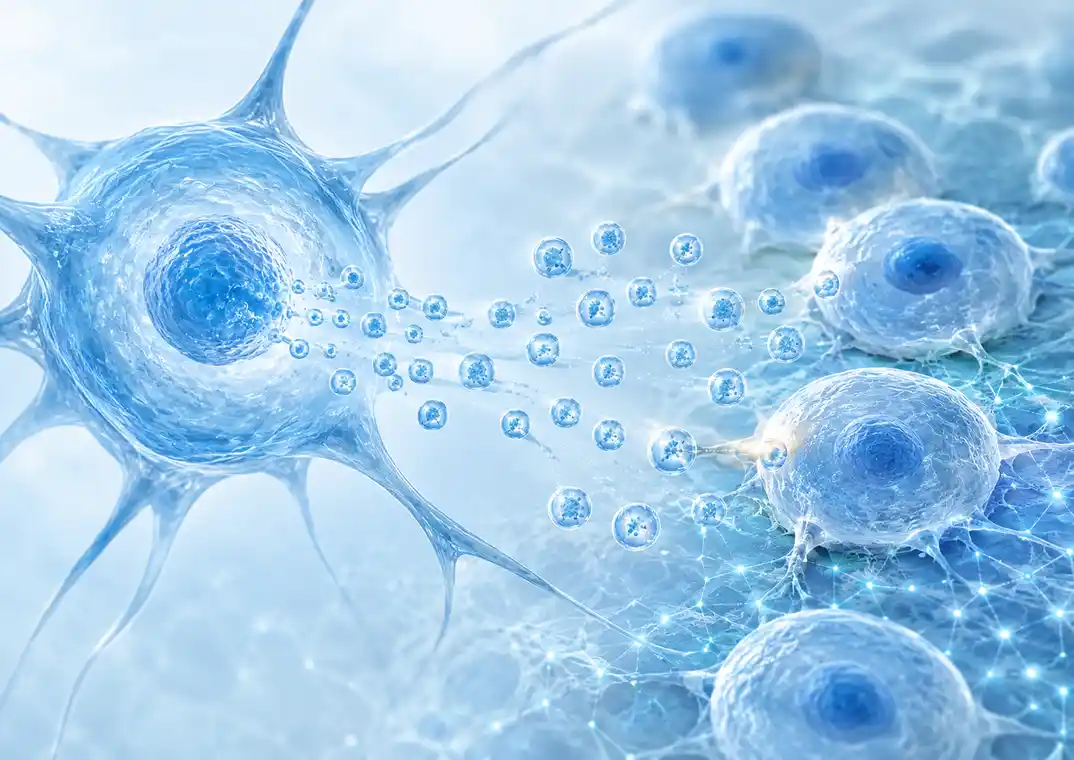
Exosomes are small fluid filled bladders released by the cells that carry proteins, genetic material, and signaling molecules. You can think of them as little message carrier vehicles.
Exosome dental therapy focuses on using these signaling vehicles without transplanting whole cells. Since exosomes do not contain living cells, they offer certain advantages like less body resistance to treatments and easier storage.
Research has shown that exosomes gotten from stem cells can help bone growth, reduce swelling, and promote tissue repair. Even though it’s still growing, exosome therapy is considered one of the most advanced forms of regenerative dentistry.
Applications of Regenerative Dentistry
Regenerative techniques are not theoretical concepts. They are currently used in various areas of dental care like:
Implantology
Dental implants require strong, healthy bone. In cases where bone volume is limited, regenerative methods can help rebuild the area before or during implant placement.
Platelet concentrates can improve early healing around implants. Bone grafts combined with growth factors or stem cell based approaches may enhance bone formation and stability.
The result can be stronger integration and improved long term outcomes.
Bone Regeneration
Bone loss can happen for many reasons, including tooth extraction, and the one thing implants need to bond with are healthy and strong bones. With reduced bone size, regenerative dentistry can grow new bone to refill the hollow bone.
Currently, bone regeneration methods supported with condensed platelets have shown improved healing patterns. This is a very good sign. So experts are working to see if stem cells and exosomes might be able to do even better jobs.
Periodontal Therapy
Periodontal disease affects more than the teeth. They hurt the parts of the jaw that support the teeth, and sometimes hurt the jaw itself badly. Normal treatment can only remove the infection and stabilize the condition.
Meanwhile, regenerative periodontal therapy goes a step further. It attempts to rebuild lost bone and ligament attachment. Regen. therapy can use growth factors, membrane barriers, or even condensed platelets to boost gum tissue growth.
Post Surgical Healing
The body enters recovery mode immediately after surgery, and for those who know, recovery can be painful in the beginning and lengthy if it’s not managed right. With regenerative methods, your body can run through the early and painful stage of recovery and reduce the overall time you spend in recovery.
To know it’s working, you’ll experience reduced swelling, faster tissue closure, and a faster rate of growing comfort while you’re still in recovery.
Benefits of Regenerative Dentistry for Patients
Regenerative dentistry offers several potential benefits.
Potential Faster Healing
By delivering concentrated growth factors directly to the surgical site, healing processes may begin more efficiently. This can reduce downtime and speed tissue maturation.
Reduced Inflammation
Exosomes and the minerals inside the platelets can reduce swelling. During recovery, a small swelling is necessary, but a big one will slow healing down. Getting this balance can improve comfort and the direct healing outcomes.
Support of Natural Tissue Repair
A primary advantage regenerative therapy has is how it supports natural tissue reformation. Without relying on manmade parts, it helps the body rebuild its own tissues.
For many patients, this method feels better and is well aligned with their health goals.
Limitations of Regenerative Dentistry
As good and reliable as regenerative dentistry is, it is important to stay realistic.
It Is Not Suitable for Every Patient
If you smoke, have poor oral hygiene, or have extreme medical issues like diabetes, your body will fight the use of regenerative treatments. This means you need to have them under control before regeneration can begin.
Ongoing Research
While platelet concentrates are widely used, stem cell and exosome dental therapy are still areas of active research. Which means they are still being studied for large scale and long term use.
The National Institutes of Health also continues to support investigations in these therapies, but they are not a regular practice in all clinics yet.
Importance of Medical Expertise
Biological dental treatments need careful planning and technical skill. Bad handling can ruin the results. Patients should always go to professionals who understand the ins and outs of regenerative techniques.
Future Outlook for Regenerative Dentistry
The future of regenerative dentistry looks promising. After the base in bloodwork, researchers are also looking into tissue engineering. Future developments in regenerative dentistry may involve tissue engineering and 3D bioprinting. This is where cells combine with biodegradable scaffolds. The result creates custom bones or soft tissue structures. Three dimensional bioprinting may also one day allow surgeons to design personalized grafts. This’ll be grafts which are unique to a patient’s anatomy.
Personalized regenerative dental care can also cover analyzing a patient’s unique biology. That way, surgeons can pick the specific growth factors they want for the best healing. While we are not at the stage of growing entire teeth yet, there is constant progress, and it is exciting.
Conclusion
Simply put, regenerative dentistry supports the body’s natural healing by using the body’s tools. Regenerative therapy covers platelet concentrates, stem cells in dentistry, and exosome dental therapy.
All of which serves to complement traditional dental treatments. They do not replace fillings, crowns, or implants. Instead, they enhance healing and improve tissue quality when used right.
Knowing how to use them right is a skill set that professionals at clinics like DentSpa have. At DentSpa, the clinic uses the latest in dental treatments, including regen therapy, to provide the best plans for their patients. If you want to know if regenerative options can help your treatment, start by booking a free online consultation with them today.
Stay Updated
Want to keep reading? Our blog is where we post new guides, clinic updates, and straightforward tips you can actually use. If you’re considering treatment and want to talk it through, contact MedClinics and we’ll point you in the right direction.
FAQs about Regenerative Dentistry

What is regenerative dentistry?
It is a field of dentistry that focuses on rebuilding natural tissues using the body’s tools. Tools like growth factors, stem cells, and platelet concentrates, instead of artificial materials.
Is regenerative dentistry proven?
Yes, in some cases. Platelet based therapies like PRP and PRF are widely used currently. However, stem cells and exosome therapies are still in the refinement phase, but they consistently show improving results.
Is there a difference between PRP and exosomes?
Yes, there is. PRP contains condensed platelets from your blood that release growth factors. Meanwhile, exosomes are tiny fluid filled bladders, released by your cells that carry healing instructions to nearby cells.
Are stem cells commonly used in dentistry?
Stem cells are not commonly used in dentistry. Although the method is accepted and growing, it is not yet a common option across all clinics. Therefore, it is mostly used in specialized centers or in clinical research.
Is regenerative dental treatment expensive?
Yes, it is more costly than normal treatments. Regen therapy includes specialized preparation and materials, all of which can be costly. Costs vary depending on the procedure and complexity.
Who is a good candidate for regenerative dental therapy?
Patients with localized bone loss, periodontal defects, or those undergoing implant treatment. Although a professional diagnosis is essential to confirm.