Written by Dr. Sedar Yilmiz (DentSpa)
Understanding TMJ Disorders: Symptoms, Causes, and Treatment Options
You open your mouth to yawn or chew or LAUGH and bam, it’s there. A click. It is sometimes painless, and sometimes, it feels uncomfortable or dull aching when it spreads all over your face. A lot of people hear their jaws click at some point and dismiss it as something normal or harmless. In fact, noises from your jaw can be the earliest sign of temporomandibular joint trouble.
Temporomandibular (TMJ) disorders involve the jaw joint and the muscles surrounding it. Although the click is among the most obvious signs, these are signs that go well beyond just sound. Symptoms of nasal congestion, pain and pressure, headaches, and facial tenderness are also very frequently reported.
The good news is that most painful TMJ conditions can be treated effectively with proper care. In this article, I’m going to lead you through why TMJ disorder develops, when to start noticing symptoms, and when it’s time for the professionals to help out.
Table of Contents
What Are TMJ Disorders? Causes of Jaw Clicking Explained
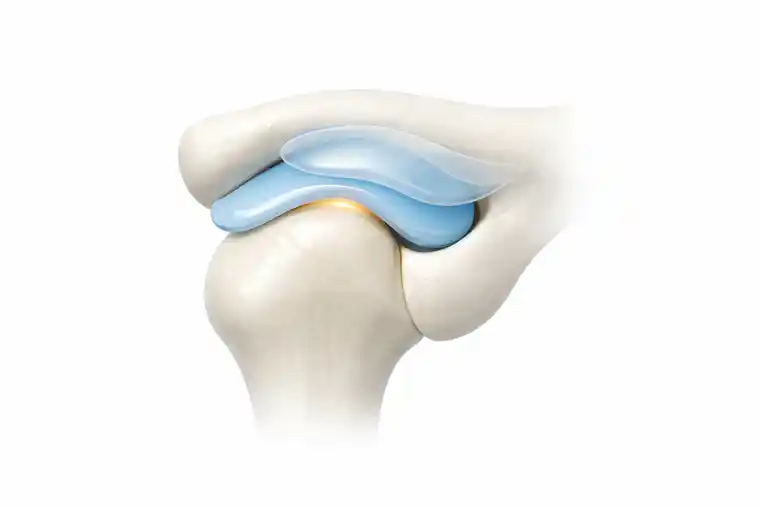
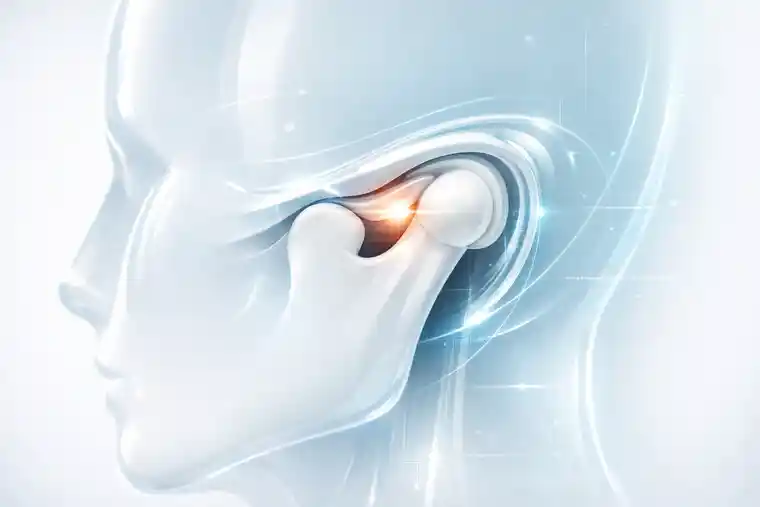
TMJ disorders, called temporomandibular disorders or TMDs for short, are a series of conditions that include pain and problems with the jaw and facial muscles. This joint, which connects the jawbone to your skull, is in use every time you speak, chew, yawn, or swallow. Due to its intended activity, it is also one of the most susceptible joints to strain and dysfunction.
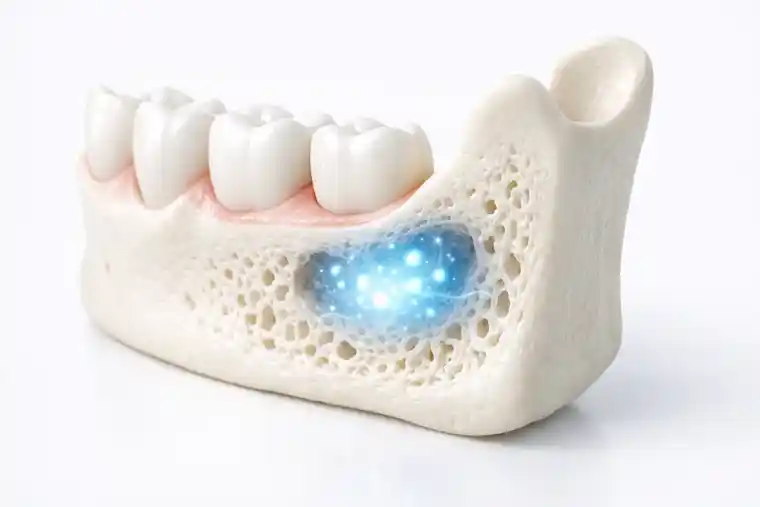
Clicking or popping sounds in the jaw arise when there is diminished synchronization between the joint, disc inside the joint, and its surrounding muscles. The sound comes from a small disc inside the joint that shifts out of place and then snaps back into place during joint movement. This can happen without pain and may not require treatment.
Where trouble crops up is when the clicking is accompanied by pain, swelling, or restricted motion. Sometimes, symptoms of a painful TMJ (such as pain in the jaw joint or muscles and limited movement of the jaw) may go away on their own. According to the NIDCR, TMD is one of the top common musculoskeletal pain and disability conditions that are unassociated with diseases of the teeth.
TMJ Disorders Symptoms, Causes, and When to See a Specialist
Let’s introduce some of the main reasons TMJ disorders start, what their symptoms look like, and the levels at which it becomes important for you to start seeking help.
Common Symptoms of TMJ Disorders
No two people can have the same TMDs. So how can a person tell if they might be having TMDs? Some signs to note are:
- If there are clicking, popping, or grating sounds when you move your jaw.
- If you have jaw pain or the muscle there is tender.
- If opening or closing your mouth is so stift it becomes uncomfortable.
- If you have consistent difficulty in chewing.
- If you have headaches, neck or shoulder pain, or facial swelling that rises from your jaw joint and its surrounding muscles.
Additionally, some people notice their jaw movement becomes limited suddenly or at times when their jaw feels locked in place. There are also symptoms, such as fullness, ringing, or recurring drum pain, that relate to the ears even though the ears are healthy.
Usually, the intensity and frequency of symptoms can contrast. For instance, a person might have a small ache when eating, then later on, their jaw siezes with intense pain when talking or sleeping.
What Causes TMJ Disorders?
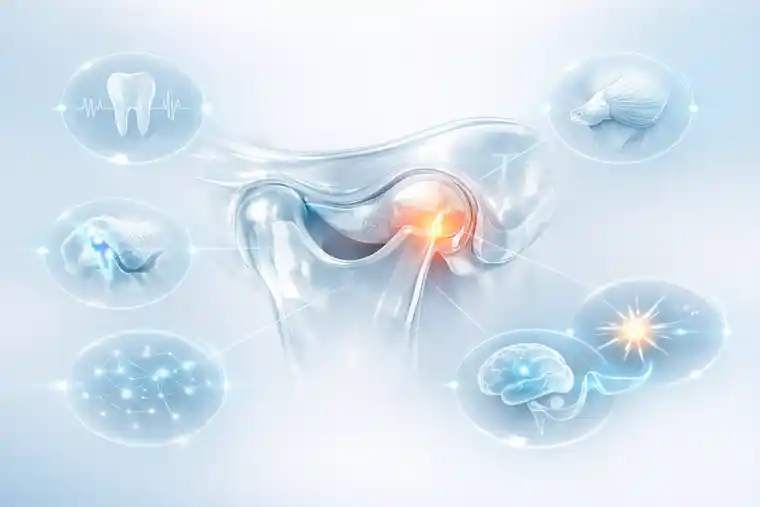
TMJ disorders rarely have a single clear cause. In most cases, the condition develops gradually as multiple contributing factors affect the jaw joint and surrounding muscles over time. According to Dentspa Dental Clinic specialists treating TMJ disorders, symptoms often emerge when structural stress and muscle imbalance begin to interfere with normal joint function. Some of the more common causes include:
- Regular muscle tension from clenching or grinding the teeth. This places a constant or familiar stress on the jaw muscles and their joint.
- Teeth grinding, especially at night. This habit often goes unnoticed for years and usually is a major contributor.
- Arthritis plays a role for some patients. Both osteoarthritis and rheumatoid arthritis can affect the jaw joint, leading to inflammation, stiffness, and pain.
- Injuries to the jaw from accidents or sports. Jaw injuries can also affect the joint structure and start long term symptoms that won’t show easily.
- Emotional stress is another factor. It often leads to muscle overuse and clenching without awareness.
- Central sensitivity nerves of the nervous system can reflect pain from an irritable bowel syndrome (IBS) to the jaw, leading to jaw clenching or TMD. This doesn’t mean pain in the bowels equals TMD. It simply means that pains in your jaw might be the same pain you’re feeling in your gut or bowels. That’s because the gut, bowels, and jaw and a few other muscles in the body all share the same neural pathway to the brain.
In many cases, there is no single cause, which is why a detailed evaluation is always required.
How TMJ Disorders Are Diagnosed by Dental Specialists
For this part, we reached out to Dr. Serdar Yilmaz, an oral and maxillofacial surgeon working with DentSpa Dental Clinic, for his expertise on the subject.
To him, diagnosing a TMJ disorder starts with:
- Getting the patient’s full medical and dental history. He checks their symptoms and stress levels, sees if they have habits like grinding or clenching, and inquires about any previous jaw injuries.
- A careful physical examination follows. The exam focuses on the patient’s jaw movements, joint sounds, muscle tenderness, and their bite alignment.
- Dental imaging. Once he suspects damage to the joint or there is disc displacement, digital imaging becomes necessary. At this point, the patient has to do X-rays, CT scans, or an MRI. These scans help a dentist view the joint structures and eliminate any other source of pain.
Another purpose of the diagnosis is to rule out dental infections, ear problems, and other similar conditions, as they have the same symptoms as TMJ pain.
Finally, he said any certified orofacial specialist worth their salt will assess both the joint and muscle components before prescribing any treatments. This evenhanded approach helps to ensure that care is focused and suitable for each patient.
Conservative TMJ Disorders Treatment Options
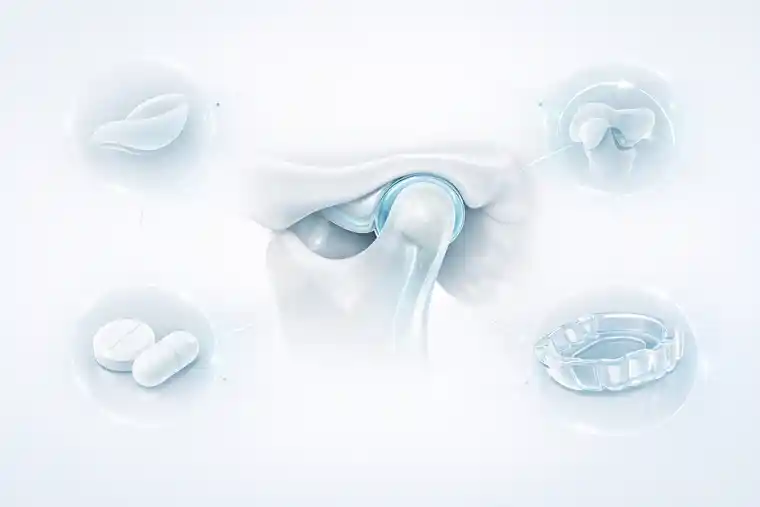
The majority of TMJ disorders improve with conservative care. According to Dr. Sedar, surgery is never really the first step. He also gave a steady breakdown of what treatment usually entails or covers. Treatment often involves methods to decrease pain and relax the muscles to make the jaw work better. This includes:
- Using relaxation techniques to improve bite patterns. This helps manage stress among patients who clench or grind their teeth, as these habits make TMD worse.
- Physical therapy and guided jaw exercises. They help a lot when it comes to enhancing mobility and reducing muscle tension in the jaw.
- Using nonsteroidal anti inflammatory drugs (NSAIDs) can help too. They work for pain relief and suppress inflammation in the short term.
- Using bite splints or night guards also helps protect the teeth and reduce strain on the joint during sleep.
In terms of treatments, even the NIDCR supports the use of conservative treatments as it is the better option for handling most TMJ disorders. The goal of these treatments is to heal the jaw while avoiding invasive treatment measures, such as surgery.
When Is Advanced TMJ Disorders Treatment or Surgery Needed?
After conservative treatments, Dr. Sedar Yilmis touched on the advanced treatment measures. He said, advanced treatment is only considered when conservative methods fail to provide relief, and there are multiple situations where this might be the case. Some of them are:
- When there is severe structural damage to the joint,
- When there is persistent pain despite appropriate care, or
- When there are significant limitations in jaw functions that affect daily life.
Joint surgery for temporomandibular disorder is rare and is usually carefully planned. It is only considered when other treatment measures have proven unsuccessful. And after that, the patient needs to have a full understanding of the potential risks and benefits.
Long-Term Management and Prevention of TMJ Disorders
Dr. Sedar also touched upon long term management tidbits and methods to prevent flare ups for people dealing with TMJ disorders to help them stay on track with their recovery. They include:
- Avoid extreme jaw movements, such as wide yawning or chewing very hard foods.
- Managing stress through relaxation techniques. This significantly reduces muscle tension.
- Maintaining good oral health and addressing teeth grinding are also important.
Regular self-monitoring allows small issues to be addressed before they become painful. And with proper care and awareness, many TMJ disorders remain manageable and do not progress.
Are You a Candidate for TMJ Disorders Treatment?
After everything, we asked the question, “What makes me a candidate for TMJ Treatments?” to which Dr. Sedar pointed out, you may be a candidate if:
- Your jaw clicking is painful,
- If your discomfort lasts more than a few weeks,
- If you experience jaw locking, or
- If you have pain that interferes with eating, speaking, or sleeping.
Later on, he emphasized not to rely only on self diagnosis. Since TMJ disorders are tricky, self diagnosis can miss important details. So, a proper evaluation will always be the best bet.
Where to Get Professional TMJ Disorders Treatment
TMJ disorders require careful attention to both the jaw joint and the surrounding muscles. To note which part of the jaw is plagued, having a backlog of experience alongside the appropriate tools usually makes the diagnosis go speedily. This is why going to a reputable and certified clinic for your TMJ treatment is the best way to go.
Apart from Dr. Sedar, DentSpa Dental Clinic in Turkey also has many other highly experienced and certified oral specialists who handle each patient’s case using the best techniques and equipment technology can allow. Their serene hospital environment, coupled with their expertise and dedication to patient care and dental healing, has also earned them an award for the Best Dental Clinic in Europe.
If you’ve considered the options and need to speak with a specialist to know more about your TMJ disorder, book a free online consultation with DentSpa. That’s the dental clinic Dr. Sedar Yilmiz works with, and you’d have all your questions answered in due course.
Stay Updated
Want to keep reading? Our blog is where we post new guides, clinic updates, and straightforward tips you can actually use. If you’re considering treatment and want to talk it through, contact MedClinics and we’ll point you in the right direction.
FAQ’s about TMJ Disorders

What are TMJ Disorders?
TMJ disorders are conditions that affect the muscles responsible for jaw movement and the jaw joint itself. It often leads to jaw pain, clicking, or limited motion in the jaw.
Is Jaw Clicking Always a Problem?
No, it’s never almost a problem. Clicking without pain is harmless. When it becomes a problem is when jaw clicking causes pain or dysfunction.
Can TMJ Disorders Go Away on Their Own?
Some mild cases can improve on their own with time. But persistent or worsening symptoms need a checkup to be safe.
Are NSAIDs Enough to Treat TMJ Pain?
NSAIDs can help temporarily. But for those treatments to work long term, the underlying causes, such as muscle tension or grinding, must be addressed..
Is TMJ Surgery Common?
The straight answer and direct answer is no. Even the most painful TMJ disorders can improve with conservative care, so unless it becomes necessary, surgical care is not administered.