Understanding Parkinson’s Disease and the Role of Regenerative Therapy for Patients
Clinical Insights By Prof. Dr. Serdar Kabataş, MD, PhD (C)
A Personal Perspective from a Neurosurgeon
Regenerative Neurology with Realism, Responsibility and Hope
I am Prof. Dr. Serdar Kabataş, a neurosurgeon who has spent more than twenty years treating diseases of the brain – and among them, Parkinson’s disease has been one of the conditions that has followed me most persistently through operating rooms, consultation chambers, and family discussions. Long enough to understand that Parkinson’s is not defined by a single symptom, but by the quiet, ongoing loss of movement, rhythm, and control that slowly reshapes a patient’s daily life.
I have sat beside patients whose hands trembled while they tried to sign paperwork.
Men who once built entire careers with precise skills now struggling to button a shirt.
Women who danced in their youth slowly trying to steady their balance to avoid a fall.
Their stories stay with you. And the most painful question — the one I hear almost every week — is always the same:
“Is there anything else we can try?”
For years, my answer was limited to medication, deep-brain stimulation, physiotherapy.
These treatments help – sometimes immensely – but they cannot stop the slow loss of dopaminergic neurons that defines Parkinson’s.
In the last decade, however, regenerative medicine — stem cells and exosomes — has given us something that didn’t exist when I began my career:
A scientifically grounded chance to protect, repair, and slow neurological decline.
It is not a miracle.
But it is movement – in a field where patients have been waiting decades for one.
Table of Contents
What Parkinson’s Disease Really Means for Patients and Families

Parkinson’s doesn’t arrive suddenly.
It sneaks in through the smallest moments:
- A slight tremor while holding a cup.
- A slower walk, almost unnoticeable.
- A voice that becomes softer without warning.
- A stiffness that makes mornings heavier than they should be.
Behind these symptoms are human stories:
- A retired pilot who could no longer sign his name without the letters shaking across the page.
- A grandmother who used to bake every Sunday now taking twice as long to knead dough.
- A teacher whose expression became so still that her students thought she was unhappy.
Parkinson’s takes things quietly – movement, rhythm, balance, facial expression, fluidity.
Families often tell me:
“It feels like a slow fading, not a sudden illness.”
This emotional burden can be heavy.
But what many families do not see – not immediately – is the determination I witness every day.
Patients fight in ways that inspire even the most experienced physicians.
And that is why exploring regenerative therapy became a natural step for me.
Not because I believe in miracles, but because I have seen how even small improvements can reshape a patient’s daily life.
The Neurological Roots of Parkinson’s Disease
Parkinson’s disease centers around one core problem:
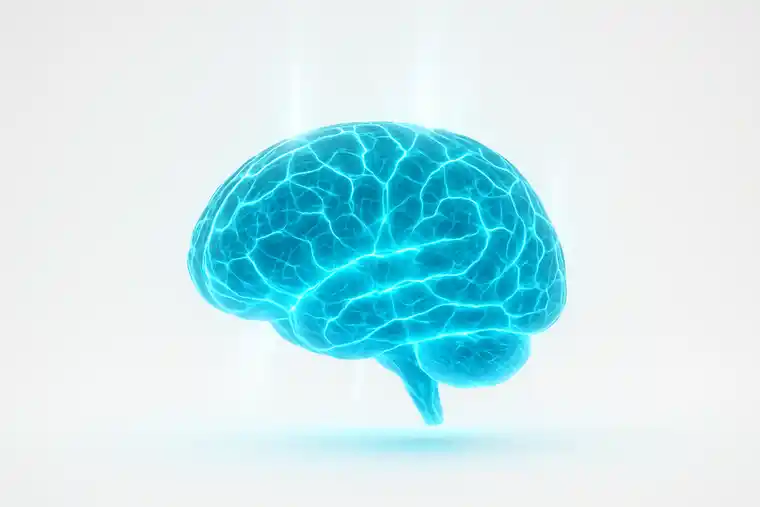
The progressive loss of dopamine-producing neurons in the substantia nigra.
When these neurons disappear, every movement – walking, writing, swallowing, even facial expression – becomes more difficult.
But the loss doesn’t stop there.
There is also:
- chronic inflammation inside the brain,
- oxidative stress damaging surviving neurons,
- mitochondrial dysfunction,
- and a buildup of alpha-synuclein, the protein that clumps into Lewy bodies.
So the real challenge is not only the missing dopamine.
It’s the entire neuroinflammatory environment pushing the brain deeper into decline.
This is where stem cells and exosomes offer a new angle — not a cure, but a multidimensional response to a multidimensional disease.
Symptoms and Daily Realities of Parkinson’s Disease
Patients often describe Parkinson’s as a “slow shrinking” of their movement abilities.
Common symptoms include:
- Resting tremor
- Slowed movement (bradykinesia)
- Muscle rigidity
- Balance difficulties
- Reduced arm swing
- Soft or monotone speech
- Sleep disturbances
- Mask-like facial expression
- Anxiety or depression
- Cognitive slowing in later stages
What many people don’t realize is that these symptoms fluctuate.
A patient may walk almost normally in the morning and struggle later in the day.
Families often adjust routines around these unpredictable “on” and “off” periods.
It is this complexity – this mixture of physical, emotional, and neurological challenges – that makes regenerative therapies especially interesting.
Stem Cell Therapy for Parkinson’s Disease – Evidence and Rationale

Stem cells offer three potential benefits that current Parkinson’s treatments cannot provide:
1. Neuroprotection
Umbilical-cord derived mesenchymal stem cells (UC-MSCs) release growth factors that help protect remaining dopaminergic neurons.
2. Anti-inflammatory Action
Parkinson’s progression is accelerated by chronic brain inflammation.
MSCs calm this inflammatory process, reducing further damage.
3. Neuroregeneration Potential
While MSCs do not turn into neurons inside the brain, they encourage the brain’s own cells to repair and support damaged neural pathways.
A case I still think about often involved a 58-year-old patient who had lived with Parkinson’s for almost a decade.
His left hand shook so much that he avoided writing altogether.
We performed several sessions of UC-MSC therapy, combined with exosomes and structured physiotherapy.
Three months later, he came to my clinic, pulled a small notebook from his bag, and showed me his handwriting – shaky, yes, but legible for the first time in years.
“It’s not perfect, professor,” he said, “but it feels like my hand listens to me again.”
These small wins matter deeply.
Not because they solve everything, but because they give back a piece of independence.
And in Parkinson’s, that is priceless.
Clinical studies from 2022 and 2023 have reported improvements in motor scores, sleep quality, and tremor control after MSC infusions – all with a strong safety profile.
These clinical observations are built on decades of experimental research. In particular, stem cell–based studies in validated Parkinson’s disease animal models have demonstrated effects on neuroinflammation, dopaminergic neuron survival, and disease-related pathways. This body of experimental work provides the scientific foundation for today’s regenerative approaches. https://sscdergisi.org/article/download/177/177/178
The Role of Exosomes in Neuroregeneration for Parkinson’s Disease
Exosomes have changed the conversation in neurology.
They are microscopic messengers – tiny vesicles loaded with microRNA, lipids, and proteins – and they can:
- cross the blood–brain barrier
- reduce neuroinflammation
- counter oxidative stress
- support dopamine pathways
- encourage neuron survival
- modulate immune overreaction
- stabilize mitochondrial function
In Parkinson’s, where the damage is spread across various neural networks, exosomes offer something unique:
Precision
- They reach places stem cells cannot.
- They act faster.
- They can be standardized in a way stem cells cannot.
- And they complement stem cell therapy rather than replace it.
Researchers are now exploring engineered exosomes – capable of delivering targeted molecular signals or silencing harmful pathways like alpha-synuclein aggregation.
We are not there yet.
But every year we move closer.
The Patient Journey in Stem Cell & Exosome Therapy for Parkinson’s Disease
Every treatment begins with careful evaluation:
- detailed neurological examination
- MRI if needed
- functional movement tests
- medical history review
- medication analysis
- quality-of-life assessment
Nothing starts until I fully understand the patient – not just the science, but their day-to-day struggles.
Sourcing the Cells – Ethics, Safety and Laboratory Quality

The stem cells come from Wharton’s Jelly in ethically donated umbilical cords.
Parents give written consent, and the material goes directly to highly controlled, sterile laboratories.
Stem Cells and Exosomes are
- tested,
- cultured,
- examined under a microscope,
- screened for contamination,
- and verified for viability.
If there is even the slightest irregularity, the batch is discarded.
I tell families exactly what I tell my own team:
“I will not use any material I wouldn’t trust for someone in my own family.”
That is the rule.
How Stem Cell & Exosome Treatment is Performed
Most Parkinson’s patients receive:
- intravenous MSC infusions
- intravenous exosome therapy
- in some cases, targeted intranasal exosome application (for olfactory-bulb access)
- physiotherapy and gait training
- nutritional and lifestyle guidance
Families often notice the first changes – smoother steps, calmer hands, less fatigue.
The improvements vary, but when they appear, they usually begin gradually within weeks.
Risks and Realistic Expectations of Parkinson’s Stem Cell Therapy
The side effects we see with UC-MSC and exosome therapy are generally mild:
- temporary fatigue
- low-grade fever
- headache
- mild dizziness
No severe complications, tumors, or immune reactions have been reported in properly conducted treatments.
But we must be honest: This is not a cure.
It is a protective, supportive therapy – not a reversal.
What it can do:
- slow progression,
- stabilize symptoms,
- improve daily functioning,
- reduce tremor intensity,
- restore small motor abilities,
- improve sleep and mood,
- reduce inflammation in the brain.
Sometimes these changes are subtle.
Sometimes they are meaningful.
Every patient responds differently – and we prepare families for that.
Short Guide for Patients and Families with Parkinson’s Disease
🧠 Understanding Parkinson’s Disease
Parkinson’s is driven by the loss of dopamine cells and by inflammation in the brain.
Medications help replace dopamine but cannot stop the underlying damage.
🌱 What Stem Cells Can Offer
Stem cells help by calming inflammation and protecting remaining neurons.
They support the brain’s own repair capacity.
💧 What Exosomes Add
Exosomes are fast-acting messengers that can cross deep into brain tissue and stabilize neuron health.
✔️ What Many Patients Experience
- Better balance
- More control over tremors
- Improved handwriting
- Reduced stiffness
- Better sleep
- Fewer “off” periods
- Higher energy
❌ What They Cannot Do
- Cure Parkinson’s
- Fully restore lost neurons
- Replace standard medication
But they can change the direction of the disease – and for many families, that is the hope they are looking for.
Quality and Ethics of Stem Cells & Exosomes in Parkinson’s Treatment
Patients deserve transparency.
Our MSCs come from healthy, safely screened umbilical cords donated after birth.
Nothing is taken from the mother or child – only donated tissue with full written consent.
Laboratories follow pharmaceutical-grade standards:
- sterile rooms
- validated equipment
- multiple contamination checks
- strict documentation
- batch-tracking from donor to patient
Exosomes come from the same certified stem cell cultures and are purified through multistep filtration.
Responsibility always comes first.
Innovation means nothing without safety.
Conclusion: Hope That Stands on Science

Parkinson’s remains one of the most challenging neurological conditions we face. But today, the landscape is not the same as it was twenty years ago.
We are finally learning how to support the brain – not just compensate for its losses.
Stem cell and exosome therapies do not promise miracles.
But they offer possibility:
- possibility for steadier movement
- possibility for slower decline
- possibility for maintaining independence
- possibility for quality of life that once seemed out of reach
For patients and families, these possibilities matter more than words can express.
And so we continue – carefully, ethically, step by step.
One patient at a time.
One quiet improvement at a time.
Prof. Dr. Serdar Kabataş, MD, PhD(C)
Neurosurgeon & Regenerative Medicine Specialist
Istanbul, Turkey
Scientific Reference
Sezen GB, Civelek E, Kabataş S, Diren F, Akkoç T. Animal models of Parkinson’s disease and stem cell–based experimental studies. Journal of Nervous System Surgery. 2021.
https://sscdergisi.org/article/download/177/177/178
FAQ’s regarding stem cell and exosome therapy for Parkinson’s disease
Can stem cells or exosomes cure Parkinson’s disease?
I wish I could say yes. Every doctor who treats Parkinson’s wishes that.
But the truth is more modest: these treatments don’t erase the disease and they don’t rebuild the neurons that are already gone. What they can do — and what we have seen again and again – is help the remaining cells function better, calm the constant inflammation in the brain, and slow down the speed at which things get worse.
Some patients feel steadier, some move more freely, some sleep better.
It’s not a cure. It’s support. And for many families, that support makes daily life a bit more manageable.
How long does it take to notice changes after treatment?
Most patients describe the first differences between 4-8 weeks after treatment.
The changes usually build gradually – a steadier step, less stiffness in the mornings, fewer tremor episodes. Families often see the improvements earlier than the patient does. Every case is different, and some patients respond more visibly than others. We monitor progress closely so nothing is missed.
Is the treatment safe? What side effects should I expect?
When performed correctly with certified laboratory material, the treatment is generally safe.
The stem cells and exosomes come from umbilical cords collected under strict ethical rules. Most side effects are mild and temporary — low-grade fever, short-term fatigue, headache, or dizziness. Serious complications are extremely rare.
I tell every family the same thing I tell my own team:
I do not use any material that I wouldn’t trust for someone in my family.
Will I be able to reduce or stop my Parkinson’s medications?
Not right away, and not for most people.
Your medication is still the main tool that replaces the dopamine your brain no longer produces. Stem cells and exosomes don’t replace that – they work around it, protecting what’s left and creating a calmer environment inside the brain. Over time, if a patient improves, we sometimes adjust the medication dose, but that’s something we do carefully and slowly.
Stopping medicine suddenly is never safe in Parkinson’s.
So think of regenerative therapy as an extra layer of support – not a substitute for your medication.
Who is a good candidate for stem cell & exosome therapy?
Most patients with mild to moderate Parkinson’s – and even advanced cases – may benefit.
Ideal candidates are those who:
still have some preserved motor function
experience fluctuating “on/off” periods
want to slow progression rather than wait for declin
have no active infections or severe uncontrolled conditions
can continue physiotherapy and follow-up care
We evaluate every patient individually because Parkinson’s affects each person differently. A proper medical review is the most important first step.