Written by Dr. Mehmet Kalcay (DentSpa)
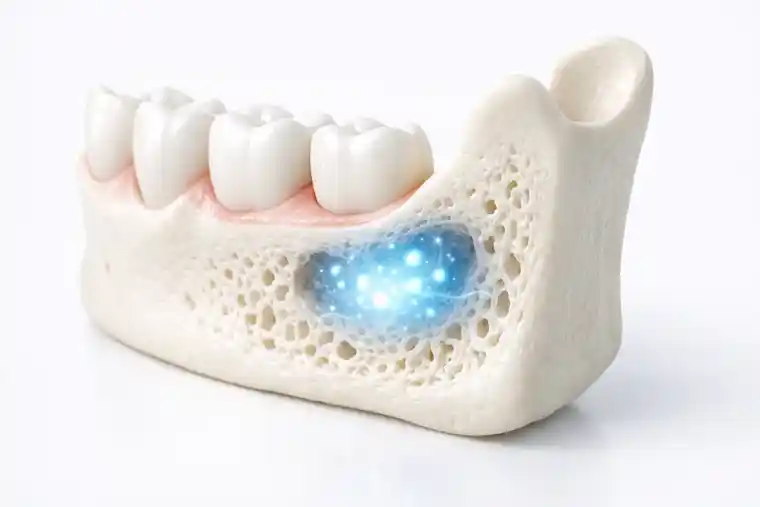
Can Stem Cells Help in Jaw Bone Regeneration?
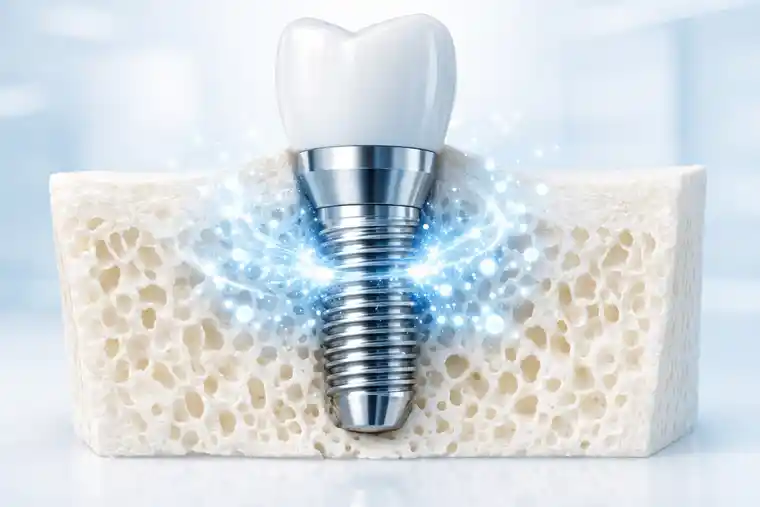
If you have a short or weakened jaw bone, you most likely won’t qualify to receive dental implants. The reason behind this is simple: without adequate bone, implants will not integrate properly and it will eventually fail.
Now, to rebuild the lost bone, you typically have two options, You can either undergo a traditional bone grafting procedure before implant placement or simply opt for stem cell therapy!
While bone grafting has been around for many years and has proven to be effective, stem cell therapy for dental implant is fairly new and is beginning to gain traction. Thanks to the promising results seen in early clinical trials, many clinicians believe it is the future regenerative dentistry.
That said, in this article, we will do a deep dive into the stem cell bone regeneration dentistry and explore what the procedure involves. We will also look at the things that makes it stand out, its key advantages, and where it may fall short.
Table of Contents
Explaining Traditional Bone Grafting
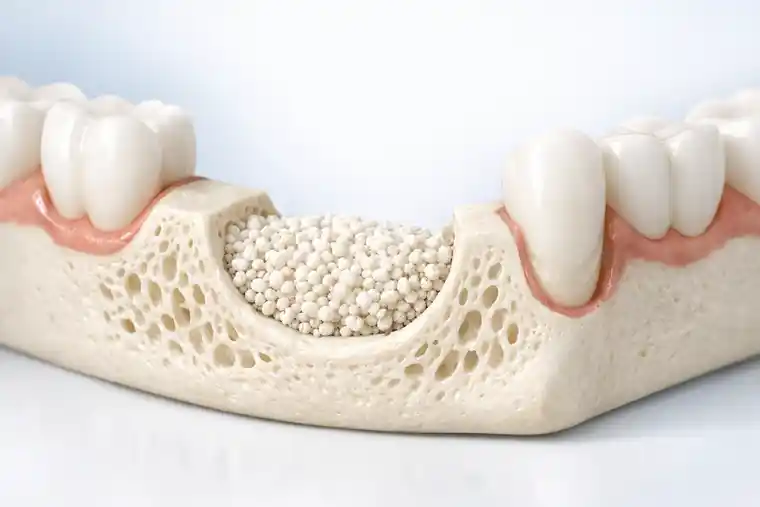
In simple terms, bone grafting is a regenerative procedure used to replace or repair weak or damaged bone tissues. This procedure has been around for many years and it is still the most recommended simply because of how effective it is.
For dental implant application, this surgery is often recommended for individuals whose jawbone has been damaged by disease, infection, trauma, and other factors. The procedure involves placing bone-like-materials into the areas where bone has been lost to rebuild the jaw’s height, width, and density. The goal is to create a stable, strong foundation that can properly support a dental implant.
Bone graft options
The materials used for bone grafting are obtained from different sources. The most popular and acceptable ones include
Autografts
This refers to the grafts (bone materials) taken from the patient’s own body and transplanted to the deficient area. This technique is often regarded as the gold standard of bone grafting because of its high success rate and how safe it is. Common donor sites include the hip, chin, shin, and back of the jaw (ramus).
Allografts
These are processed, freeze-dried bones sourced from a human donor and bought from a licensed tissue bank. They are generally less expensive than autograft and super effective. However, they sometimes heal slowly and, in rare cases, can trigger immune reactions or delayed integration.
Synthetic materials
Also known as alloplastic, this refers to bones created entirely in the lab and designed to mimic the structure and function of a natural bone. They are commonly made from biocompatible materials like hydroxyapatite, bioactive glass or tricalcium phosphate.
One of the advantages of Alloplastic graft is that they are less prone to disease transmission or immune rejection. The downside? since they don’t have any living cells, they may be slow to integrate and regenerate new bone
What Are Mesenchymal Stem Cells (MSCs)?
Mesenchymal stem cells (MSCs) simply refer to adult cells found in nearly all tissues in the body. They can be extracted from places like the bone marrow, teeth roots, dental pulp, umbilical cord tissue, skeletal muscle, adipose tissue, tendons, and many others.
Mesenchymal Stem Cells (MSCs) are basically the body’s natural repairmen. They have the ability to morph into different types of cells including bone, cartilage, and muscle cells. This makes them extremely valuable in regenerative medicine. They can also help suppress excessive inflammation and be used to treat skin burns and chronic ulcers..
How Stem Cells Support Jaw Bone Regeneration
Stem cells therapy can promote bone regrowth in several ways
- Certain stem cells, especially mesenchymal stem cells (MSCs), can morph into osteoblasts (the cells responsible for building new bone) to promote the regeneration of lost or weakened jawbone tissue.
- Stem cell therapy can also be used to encourage and accelerate the formation of new blood vessels, thus making the new bone stay healthy and stable for a long time. This process is known as angiogenesis and it plays a crucial role in successful bone regeneration.
- If you have an overactive immune system, you are more likely to experience chronic inflammation after every major surgery. To ensure this does not happen after dental implants, stem cells can be injected into the surgery site to shut or slow down the inflammation.
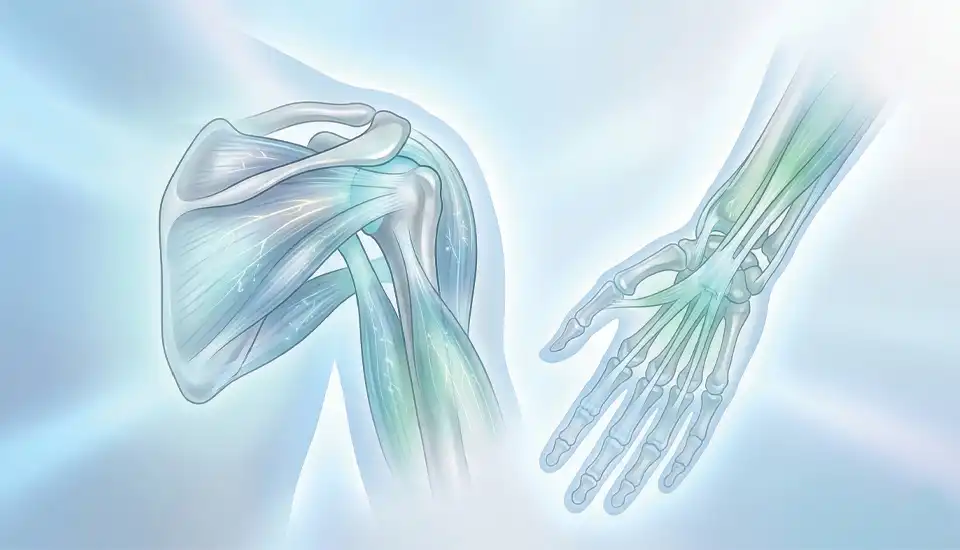
- Stem cells can also be administered into the body to help rebuild or repair damaged cartilage, muscle, and other tissues.
- Stem cells can also be combined with grafts or scaffolds to enhance how well and fast the bone-like materials bond with your remaining natural bone.
How the Stem Cell Procedure Works
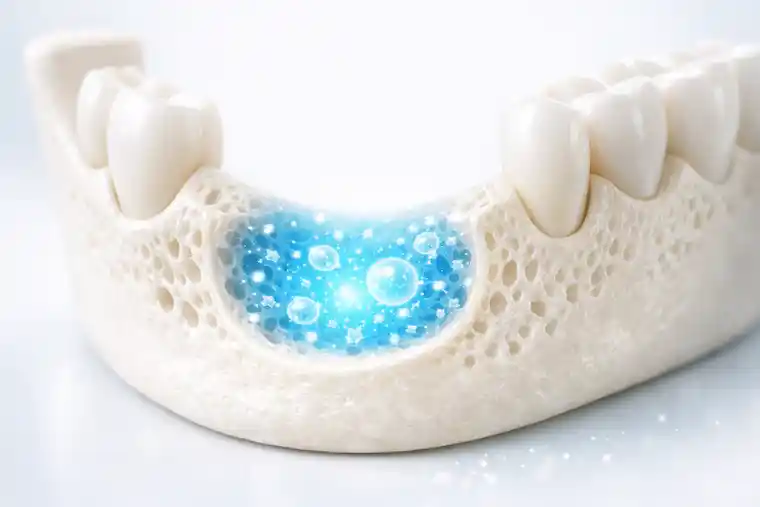
The stem cell application process to regrow the jawbone involves several critical steps that must be carefully followed to ensure successful outcome:
- STAGE 1: The process starts with a full evaluation of the patients. Specialized tools like X-rays or 3D scans are used to check the status of the bone.
- STAGE 2: The next stage would be to extract stem cells from the body. They can be extracted from bone marrows, adipose tissue, etc.
- STAGE 3: After successful harvest, the cells are then processed and concentrated to isolate the regenerative components needed for bone repair.
- STAGE 4: The next step would be to clean and prepare the area where the defective bone is located. Sinus augmentation may be performed at this stage provided there is no enough bone height in the upper back jaw to support the implant
- STAGE 5: The stem cells, together with bone graft substitute will then be placed into the deficient area to stimulate new bone formation.
- STAGE 6: Once sufficient bone volume and density have developed, the dental implant will then be placed into the regenerated site.
Applications Of Stem Cell Therapy
Stem cells can be used in procedures such as:
Sinus lifting
Clinical evidence has shown that during sinus lifting procedure, stem cells can be used to aid bone formation in the upper back jaw. The result? A tooth strong and high enough that can support implants.
Ridge augmentation
Stem cells also play an important role in rebuilding jaw ridge that has been compromised by periodontal disease, tooth loss, trauma and other factors. They do this by differentiating into bone-forming cells (osteoblasts), and over time generate new bone tissue in the affected area. This result? A much stronger jaw ridge that can support dental implants
Severe bone defects
As effective as traditional bone graft is, the procedure still has its limitations, especially when it comes to restoring a large volume of bones lost as a result of tumor, major extractions, trauma, or severe illness.
This is where stem cell therapy comes in. This procedure can be used to stimulate new bone formation simply by introducing regenerative cells directly into the affected area.
Potential Benefits of Stem Cell Therapy
As shown in early clinical studies, stem cells procedure shows more promising signs that traditional bone graft in certain areas. They include
- Unlike bone grafting methods, stem cells tend to accelerate tissue regeneration much faster. This helps to shorten overall recovery time considerably
- If a significant amount of bone has already been lost, stem cells can help
- The use of stem cells ensures that the newly regenerated bone remains healthy and stable for longer
- Furthermore, stem cells can ensure that bone regrows better and stronger
- Stem cells may also help regulate the immune response. This helps to prevent chronic inflammation and improve healing conditions.
Limitations Of Stem Cell Theraphy
As with other regenerative procedures, cell stem therapy also has some drawbacks. They include
- The procedure is very expensive and not widely offered yet. In the US, for example, treatment prices range from $20,000 to $50,000 depending on the condition. Conversely, in Turkey, treatment prices is between $2,000 and $15,000
- As of 2026, most countries have still not officially approved stem cell therapies for dental bone regeneration as a standard treatment. Turkey, however, permits certain forms of stem cell–based applications, but it has to be done under strict regulatory control. In short, only licensed Turkish clinics are permitted to carry out this procedure.
Is Stem Cell Therapy the Future of Jaw Bone Regeneration?
To answer the question, Can stem cells help with jaw bone reconstruction? The simple answer is yes. Current research and lab results have shown that stem cells can stimulate and support new bone formation.
However, the procedure is still undergoing ongoing research and is not yet widely available as of now. But as studies continue to advance, many health experts believe that this procedure has a strong potential to become a more effective bone graft alternatives
That said, if you have lost your teeth and need an implant, seeking care from an experienced clinic is very important. In Turkey, DentSpa stands tall as a provider of quality and lasting dental restorative services.
Their internationally surgeon can prepare your bone and afterward, install implants that will function and remain stable for many years
Stay Updated
Want to keep reading? Our blog is where we post new guides, clinic updates, and straightforward tips you can actually use. If you’re considering treatment and want to talk it through, contact MedClinics and we’ll point you in the right direction.
FAQs About Stem Cell Therapy for Jaw Bone Regeneration
Can stem cells regrow jaw bone?
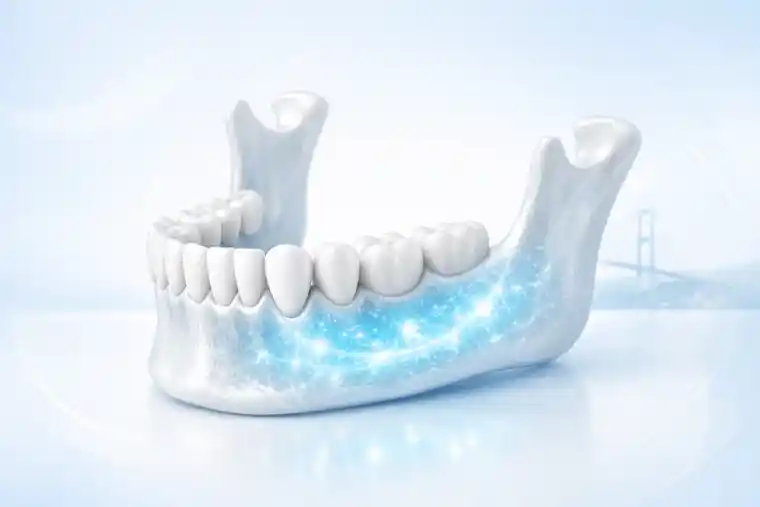
Absolutely! Stem cells may help the jawbone regenerate in certain situations. Research and early clinical studies suggest that these cells can support the formation of new bone tissue when they are applied correctly.
In most cases, stem cells are not used on their own. They are usually combined with a scaffold material, such as a bone graft or bone substitute. The scaffold provides a structure where the new bone can grow while the stem cells help stimulate the regenerative process.
Is stem cell therapy for bone regeneration safe?
Stem cell therapy is reasonably safe as long as it is performed at a certified clinic and the surgeons follow the right guideline. Possible risks if clinic does not follow the right procedure include immune reactions, infection, poor integration of the regenerated tissue, and unpredictable healing outcomes
How long does bone regeneration take after a graft?
It depends on many factors like the patient’s own body, defect size and location of the bone. For example, sinus lifts with stem cells can take about 4 to 6 months while ridge augmentation with stem cell-enhanced graft can take 3 to 5 months.
What are alternatives to bone grafting?
Bone grafting and sinus lift alternative include graft-free techniques like zygomatic implants, All-on-4 and Short implants. Emerging techniques like platelet-rich plasma, growth factors, etc are also a good shout.
Is stem cell dental treatment legal in all countries?
No. Most countries are yet to fully embrace stem cell therapy for dental application, while some have, In places like the US, certain stem cell treatments are permitted, but they still remain tightly controlled, Some countries like Turkey, they have fully adopted this technique, however it is only available in licensed clinics operating under specific medical regulations.
Who is not a candidate for stem cell therapy?
Usually, patients with active infections, cancer, uncontrolled autoimmune diseases, may not qualify for this procedure. Heavy smokers or people with poor overall health may also not qualify due to risks or poor healing potential. You should, however, still contact your dentist and explain your current situation to them.