Clinical insights by Dr. Dr. Serdar Yılmaz, DentSpa
Recognising Dental Implant Failure Signs
Dental implants are widely regarded as the gold standard of tooth replacement and judging by their well documented success rates and their natural look at feel, it is easy to see why.
However, like any surgical procedure, dental implant procedure is not completely without complications. While the vast majority of patients enjoy their implants for decades without a single issue, there have also been documented cases where implants fail.
In this guide, we will examine the signs of dental implant failure, when to contact your dentist and what your options are if an implant does fail.
Table of Contents
Early Dental Implant Failure Signs
Implant failures generally fall into two timeframes. As a patient, understanding the difference between the two can help you spot potential problems early when they are much easier to treat.
Early failure typically happens within the first three to six months after your surgical procedure. The signs of early failure include
Implant mobility
This is the most obvious and definitive warning sign. A healthy implant should be completely stationary.
As Dr. Serdar Yılmaz explains, “Your implant should feel completely stable once it has healed. So, if you can actually feel the implant post moving or shifting when you touch it with your tongue or finger, that’s not something to ignore. It could mean the implant hasn’t integrated properly, and you should contact your dentist as soon as possible.”
Severe pain
It is completely normal to feel some soreness or discomfort for a few days after dental implant surgery. However, if the pain persistent even after you use pain relief medication, that could be an indication that all is not well with your implant
Swelling and visible redness on the gum
After your surgery, some swelling is expected almost immediately. However, if the swelling around the gums worsens after several days, or is accompanied by severe redness, it may point to an infection.
Pus discharge
Days or even weeks after the surgery, if bleeding still has not stopped or there is a presence of yellow or green discharge (pus) around the surgical site, this is a clear sign of an active infection.
Late Dental Implant Failure Signs
Unlike early failure that usually occurs before the osseointegration, late implant failure occurs after the implant has successfully bonded with your bone. Some signs of late failure include:
Movement of the entire structure
Just like in early failure, any sensation of looseness or a clicking sound when you chew is often a clear indication that the implant has detached from the bone.
Gum recession
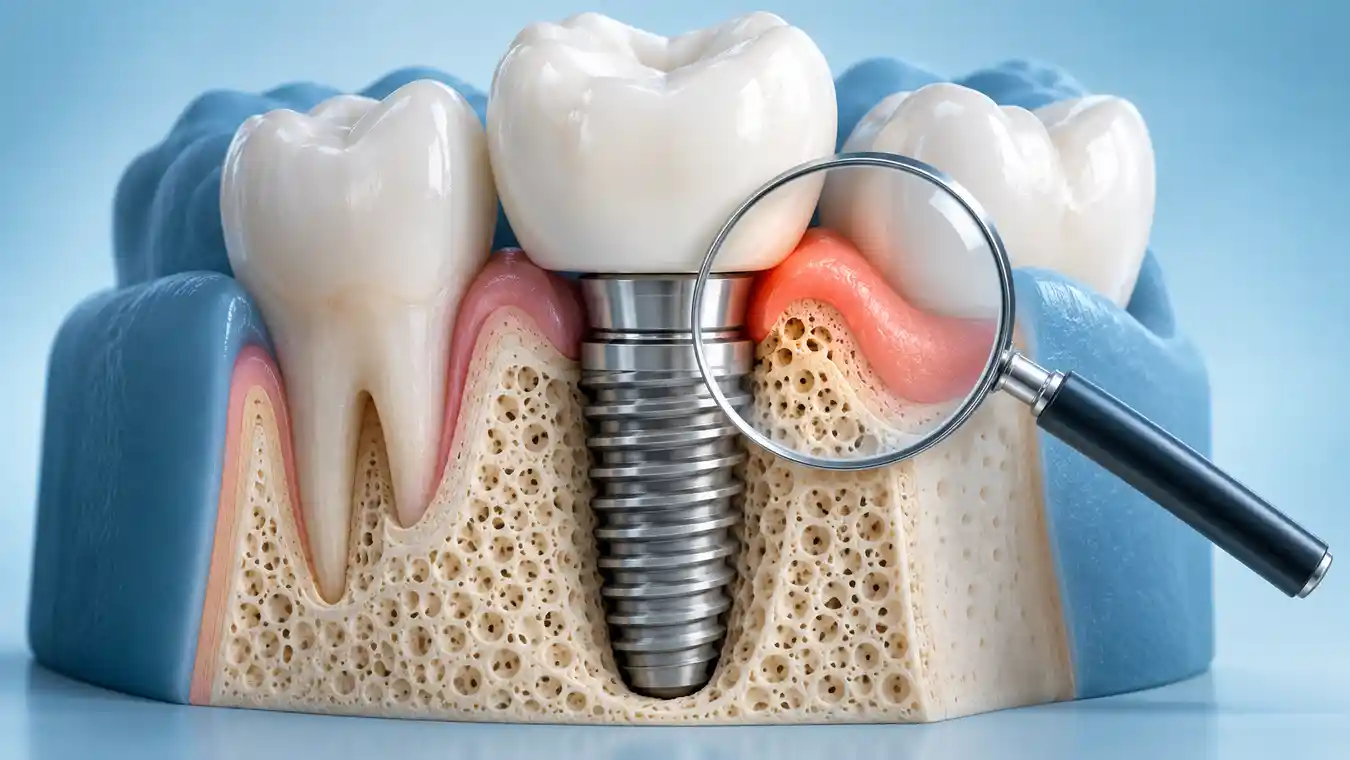
If you notice that your gum tissue is pulling back around the implant, thereby exposing the dark metal collar of the post, there is a high chance that bone or tissue loss is already occurring underneath. Gum recession around an implant can also leave the area more vulnerable to bacteria and infection, which may compromise the implant’s long-term stability.
Jawbone ache
Unlike the sharp pain you experience during the early stages of healing, implant failure can sometimes cause a persistent, deep ache in the jaw. The pain may become more noticeable when you bite down or apply pressure to the area.
Bleeding gums when you brush
If your gums bleed every time you brush or floss around the implant site, it could be a sign of inflammation in the tissue that surrounds the implant. When you experience this non-stop, it is important that you contact your dentist for proper examination and possible treatment.
Persistent bad taste or mouth odor
A foul taste in your mouth that, no matter how hard you brush, will not go away is an indicator that bacteria are breeding in deep pockets around the implant. Over time, as the bacteria multiplies, they produce dangerous acid that will cause inflammation around the tissue supporting the implant.
What Does It Mean for an Implant to Fail?
An implant is classified as having failed if the implant post does not create the needed bone fusion/bonding to secure the implant into the jawbone. The bone fusion/bonding process is referred to as osseointegration. Osseointegration is a biologic process allowing the implant to become mechanically stable (i.e., secured) within the jawbone.
Once an implant has failed to achieve bonding, there are several issues that occur. First, the mechanical integrity of the implant is lost, which can cause instability. Second, due to loss of stability, the implant may no longer provide adequate structural integrity to allow a crown to be placed on top of it. Third, because of lack of structural integrity, the implant may be unable to endure the masticatory forces exerted during normal eating.
Why Implants Fail to Osseointegrate
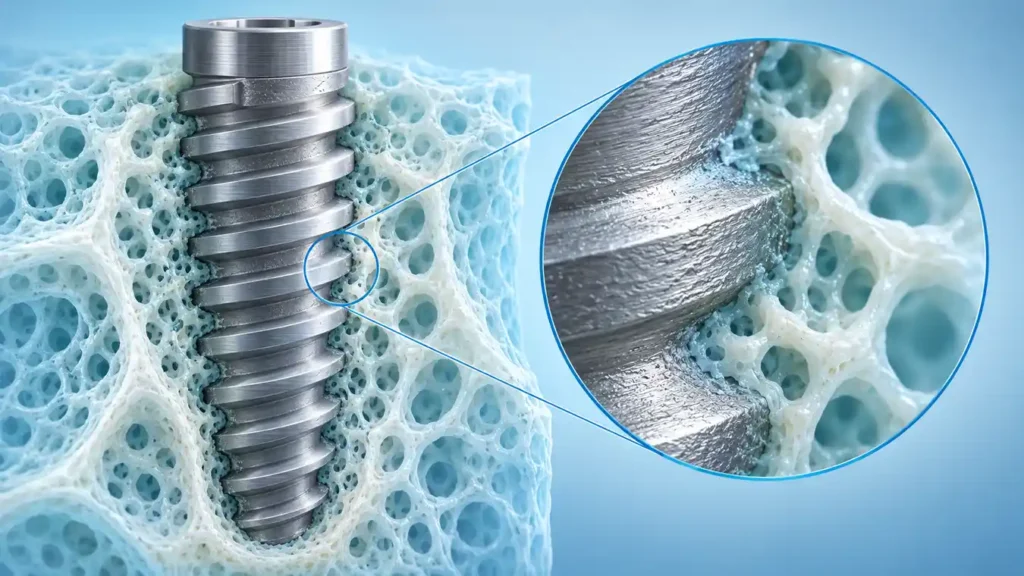
You dental implant may fail to achieve or maintain the necessary biological bonding due to reasons that include
Poor placement
Errors during implant placement are one of the potential causes of implant failure. As Dr. Serdar Yılmaz, an Oral and Maxillofacial Surgeon at DentSpa explains, “Implant placement shouldn’t be rushed. When a dentist moves too quickly or doesn’t take enough time to plan the entire process, that can create problems with stability later.”
Something as seemingly simple as placing the implant at the wrong angle or in an unsuitable position can affect how well it integrates with the surrounding bone and compromise its long-term stability.
Smoking and tobacco
Smoking can cause the implant failure rate to increase. The nicotine from cigarettes is a vasoconstrictor, which reduces blood flow to the area surrounding the implant. This will result in reduced oxygenation and nutrient delivery to the operative site; as such healing at this location may be slowed or delayed.
Infection
Bacteria accumulating in a cavity around an implant can cause chronic inflammation which will eventually begin to destroy the bone surrounding the implant. This is where a deep cleaning by your dental hygienist can be very helpful. The cleaning process will mechanically clean out bacteria from under the gumline and on the implant surface and reduce the inflammatory response prior to causing additional damage.
What Are Your Options After Implant Failure?
If you suspect that you are facing a dental implant fail, you generally have two options. Your dentist may either remove and replace the implant or treat the issue and save the existing implant. .Below is a quick breakdown of the two options.
Treatment Options for Saving a Failing Implant
A failing implant may be saved if the underlying cause, such as peri-implantitis, is detected and treated early. Available surgical and non-surgical treatments for dental implant failure include
Professional deep cleaning
Accumulation of bacteria in your cavity can trigger severe inflammation that, over time, can weaken the tissues that hold your implant in place. To halt the progression, this is where professional cleaning can come in handy.Deep mechanical cleaning can help remove bacterial buildup around the implant and control the inflammation before it causes further damage.
Antibiotic therapy
This is not exactly a standalone treatment. It is primarily an adjunctive treatment that should be combined with deep mechanical cleaning to target and eliminate bacteria before they weaken the soft tissues.
Laser debridement
Laser therapy might be relatively new, but research has shown that it may be useful in managing infection and inflammation around implants. Medical lasers (like Er:YAG lasers) can be used to target and destroy bacteria in hard-to-reach pockets around the implant
Replacing a Failed Implant
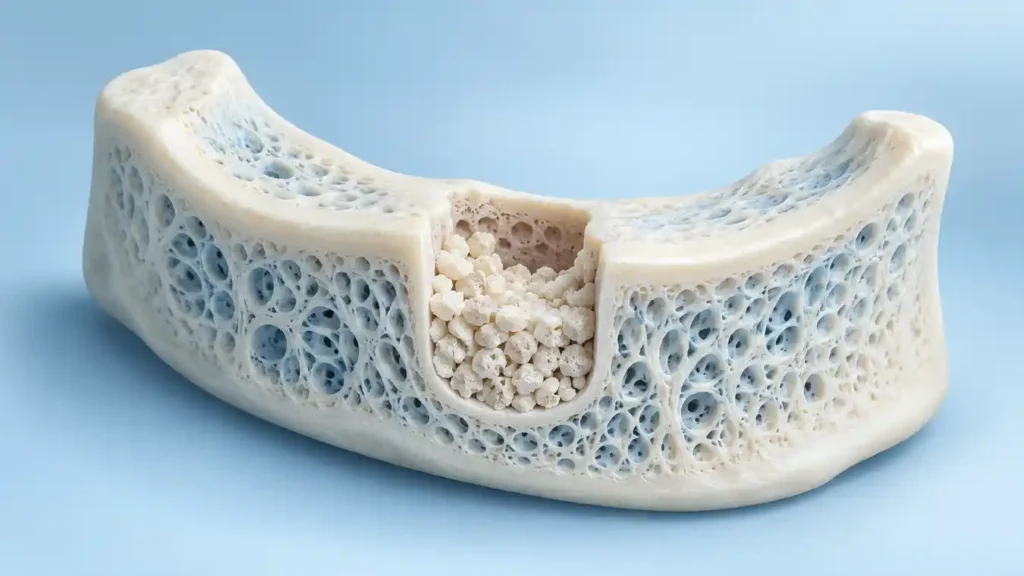
If the implant is completely loose, has lost more than half of its supporting bone, or has fractured, it must be removed. After the removal, your dentist may recommend several post-explantation treatments, including
Bone grafting
After the defective implant has been removed, the empty socket left behind needs filling so that it will be strong and dense enough to support a new implant and this is where bone grafting comes in. The surgeon places bone grafting material (which can be synthetic, or sourced from a donor) to fill the defect and stimulate your body to grow a new, strong jawbone.
Re-implantation
Once the healing process at the extraction site is complete, your dentist will assess the health and strength of the jaw bone (bone density) to determine if it is ready to accept an additional implant. If the bone density is satisfactory, a new implant may be placed. Your dentist could also decide on a different design/size of the implant to enhance stability and increase the possibility of successful osseointegration.
FAQs About Dental Implant Failure Signs
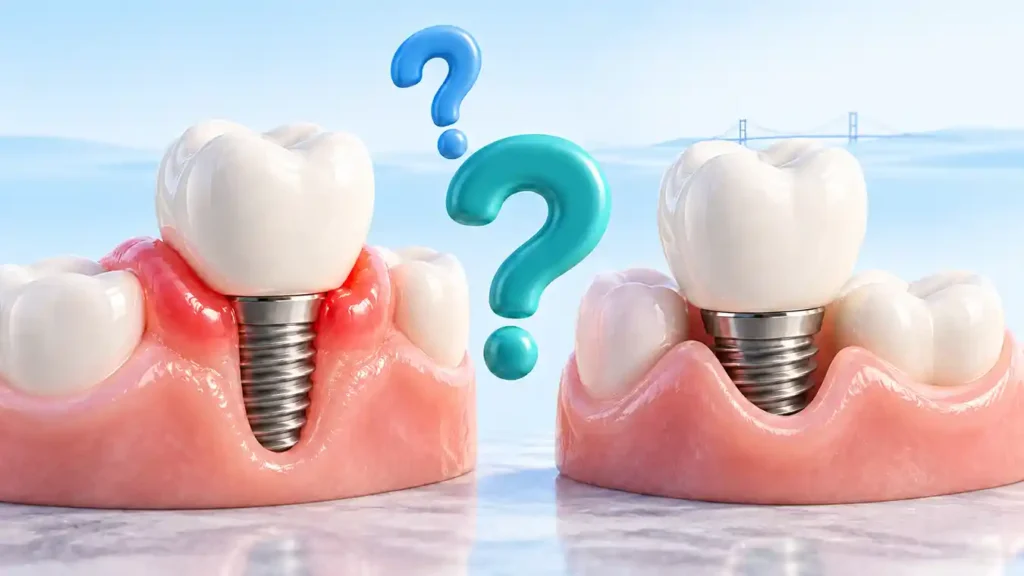
How can I tell if my actual implant is loose, or if it is just the crown?
If your crown feels wobbly when you chew or run your tongue over it, but your jaw isn’t sore, you’re probably just dealing with a loose crown—not the implant. Now, if you notice the whole implant moving along with pain deep in your jaw, swelling, bleeding gums, or a nasty taste, that’s more serious. Those are signs the implant itself could be failing. Either way, your best move is to see your dentist so they can figure out exactly what’s going on.
Can I get a refund if my dental implant fails?
It mostly depends on the clinic’s policies and warranties. Many clinics offer warranties on implant procedures that may cover the cost of replacing a failed implant within a specific timeframe. This means that if a failure occurs due to a material defect or clinical error, you will get a replacement at no additional cost.
That said, before booking your treatment, make sure you read the clinic’s terms and conditions and understand exactly what their warranty covers.
Is a dental implant fail out a medical emergency?
Usually no. While a failing implant is not a life-threatening situation, it however does require prompt professional attention so as to help prevent further complications. Examples of symptoms to look out for include severe pain, uncontrollable bleeding, significant swelling of the face or neck, high fever, and many others.
Can a dental implant fail years after it was successfully placed?
Absolutely! Late failure can occur even after a decade of trouble-free use. This is almost always caused by peri-implantitis or chronic bone loss. If anything, this only highlights the importance visiting your dentist for professional cleanings and examinations every three to six months, even if your implant feels perfectly fine
Conclusion
When a dental implant fails, it can be a frustrating experience, especially when you consider the time, money, and discomfort involved in the treatment. The good news is that many of the factors that contribute to implant failure can be managed or prevented with the right care.
This is where DentSpa can help. Based in Istanbul, Turkey, this clinic has a team of experienced dentists who can recommend trusted implant brands, identify and treat underlying conditions that could affect the long-term stability of your implant.