MedClinics News & Blog
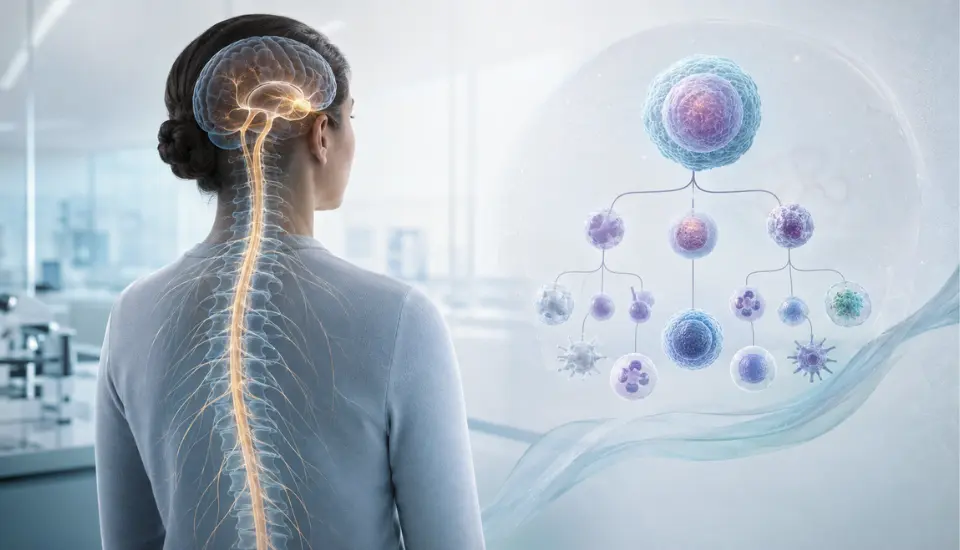
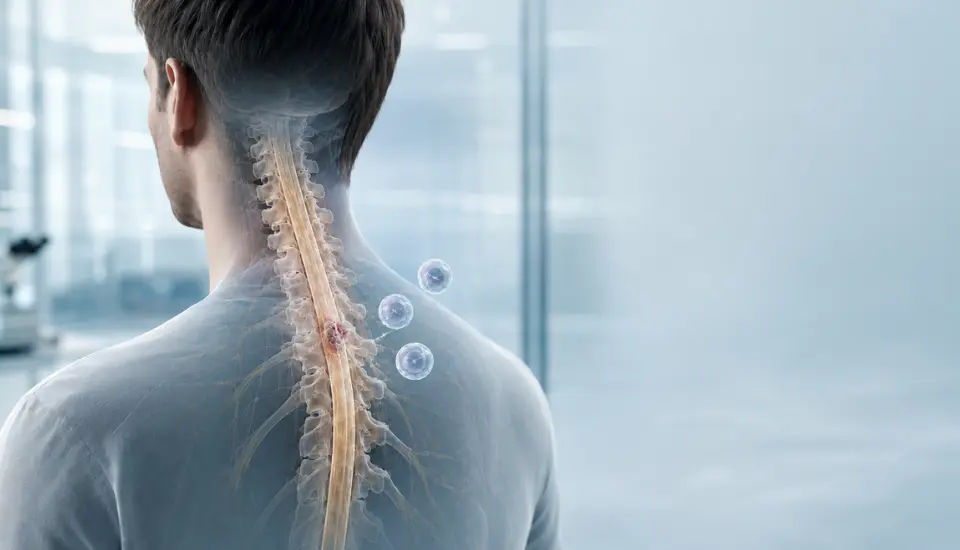
iPSC therapy for spinal cord injury has reached an important early milestone in Japan. Researchers at Keio University have followed four people who received neural stem/progenitor cells made from induced pluripotent stem cells after severe cervical spinal cord injuries. The longest follow-up has now reached four years.
No tumour formation or serious safety problem linked to the transplanted cells was identified during the two-to-four-year follow-up. Two participants also moved to a less severe category on a standard spinal cord injury scale. One of them was able to stand without support and begin gait training.
Those results are encouraging, but they come from a Phase 1 study involving only four patients and no control group. The trial was designed primarily to examine safety. It cannot tell us whether the transplanted cells caused the improvements in movement.
Table of Contents
Why the Timing of Treatment Matters
The participants had traumatic injuries in the neck region of the spinal cord and were classified as AIS grade A. This is the most severe category on the American Spinal Injury Association Impairment Scale and indicates a complete injury, with no preserved sensory or motor function in the lowest sacral segments.
All four were treated during the subacute stage, 14 to 28 days after injury. This period comes after the immediate emergency phase but before the injury has fully settled into a chronic state.
The timing was deliberate. The tissue environment shortly after a spinal cord injury is still changing. Inflammation and secondary damage are present, yet some surviving neural pathways may remain. Researchers believe this window may offer transplanted cells a better chance to survive and interact with the surrounding tissue than would be possible much later.
That also limits what the study can tell us. These findings cannot be applied automatically to people who have lived with a spinal cord injury for months or years.
The Transplanted Cells Were Prepared for the Nervous System
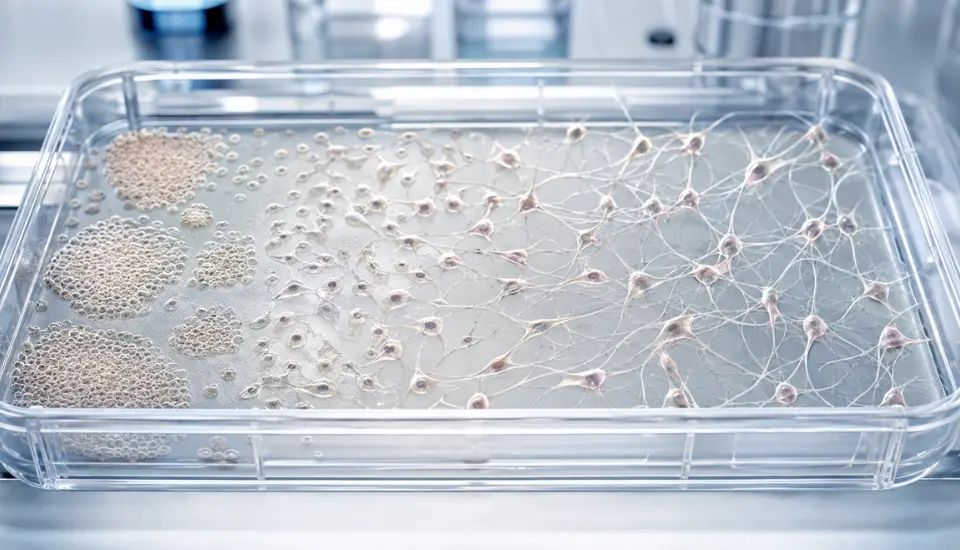
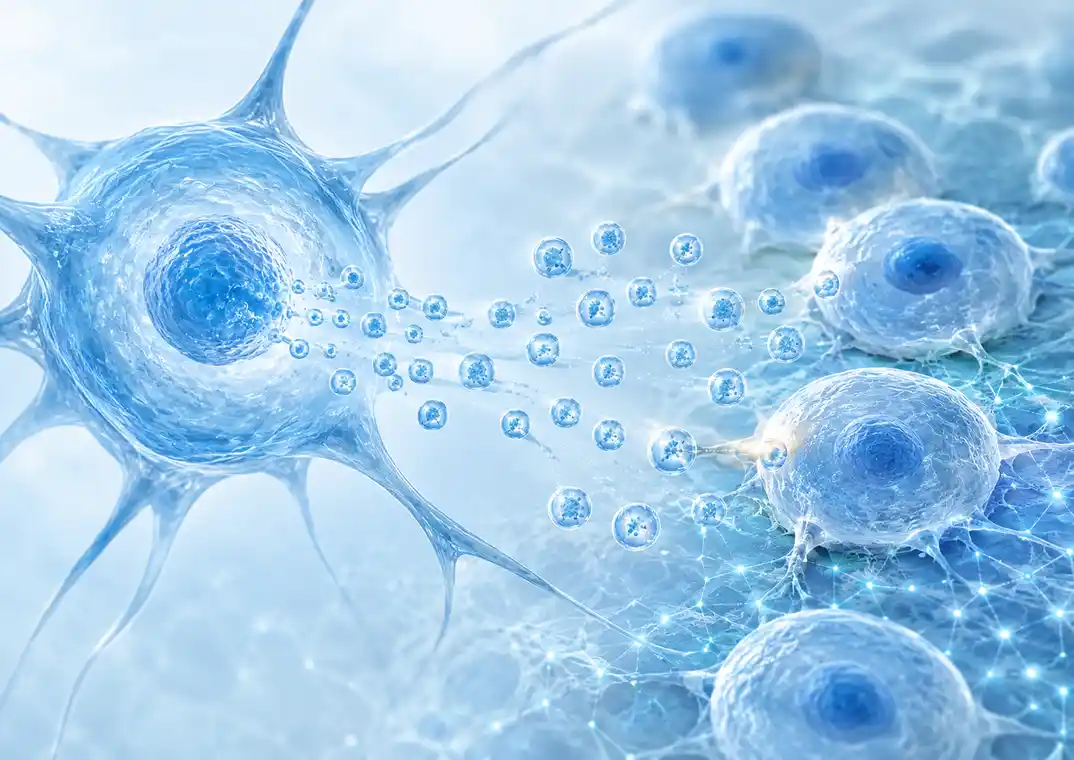
The treatment did not use mesenchymal stem cells. It began with induced pluripotent stem cells, or iPSCs: mature cells that have been reprogrammed into a flexible state from which they can be guided towards other cell types.
For this study, the iPSCs were developed into neural stem/progenitor cells. These cells were already directed towards the nervous-system lineage before transplantation. The clinical-grade cell line originated from umbilical cord blood donated by a healthy individual and was manufactured under controlled conditions.
Each participant received approximately 2 million cells, delivered once into the centre of the spinal cord lesion. The procedure was performed under ultrasound guidance. Participants also received temporary immunosuppression with tacrolimus: treatment continued for six months and was then reduced and stopped by the ninth month.
The purpose was not simply to place undifferentiated stem cells into the spinal cord and wait for them to become whatever the body needed. The product had been prepared for a neural role in advance, with quality checks intended to reduce the risk of abnormal cell growth.
Four Years Without a Tumour Signal
Tumour formation is one of the central safety concerns surrounding treatments made from pluripotent stem cells. Because iPSCs can develop into many different cell types and multiply extensively, any remaining undifferentiated or abnormal cells must be controlled carefully.
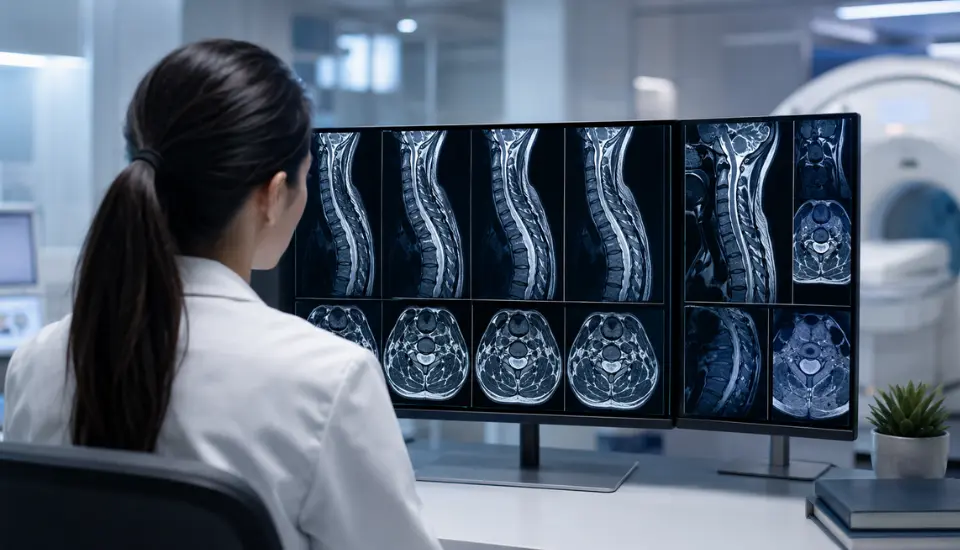
The four participants were monitored with neurological examinations and repeated imaging. Their individual follow-up periods ranged from two to four years. Researchers found no imaging evidence of tumour formation, abnormal cell proliferation or another graft-related abnormality. They also reported no serious adverse event attributed to the transplanted cells.
This is reassuring, particularly because delayed abnormal growth would not necessarily appear during the first weeks after treatment. Even so, four patients cannot reveal uncommon complications. Continued observation and experience in a much larger group will be needed before the long-term safety profile becomes clear.
What Happened to Motor Function?
Motor scores improved in all four participants during the first year. The median increase at week 52 was 13 points, although the size of the improvement differed considerably from one person to another.
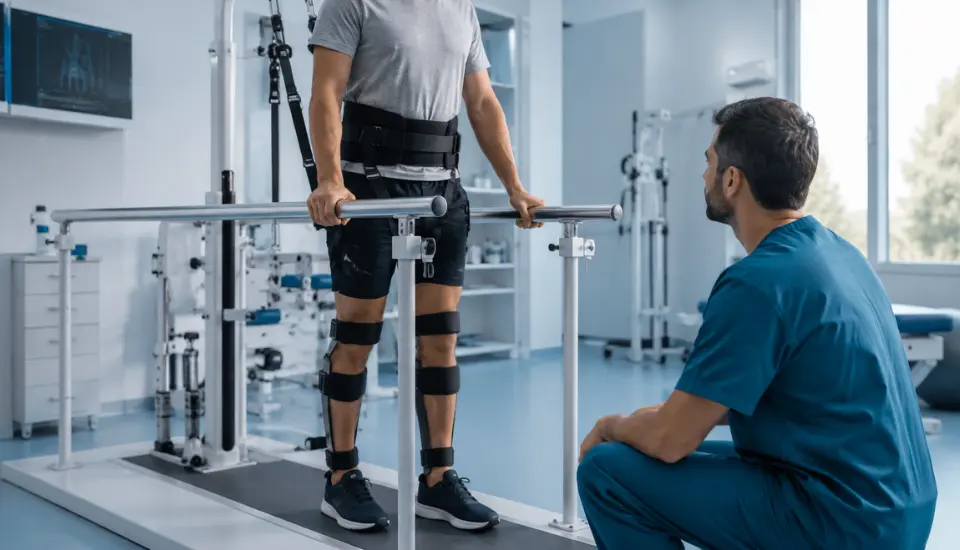
Two participants changed AIS grade. One moved from grade A to C. Another progressed from grade A to D and was reported to be standing without support and beginning gait training. The improvements achieved during the first year remained broadly stable during longer follow-up.
The researchers compared these results with records from other people who had similar spinal cord injuries. The transplanted group showed numerically greater motor improvement. This comparison provides context, but it is not equivalent to having a control group enrolled and assessed within the same trial.
It is also important to distinguish standing from independent walking. The study did not show that a participant regained normal movement or could walk independently. Nor did it demonstrate that the cells rebuilt the spinal cord in a way that can be confirmed directly in living patients.
Why Four Patients Cannot Show Whether the Treatment Works
Recovery after a recent spinal cord injury varies widely. Some neurological improvement can occur naturally, particularly during the first year, and every participant also received rehabilitation. Without a comparable untreated group, these influences cannot be separated from a possible effect of the transplant.
The study was open-label, meaning that both the patients and researchers knew the treatment had been given. Its four participants also differed in age, injury pattern and the amount of spinal cord tissue that remained intact.
Historical registry data help researchers judge whether the changes were unusual, but they cannot remove differences in patient selection, rehabilitation or clinical assessment. The motor improvements therefore remain exploratory findings rather than proof of effectiveness.
A larger controlled study will need to show whether iPSC therapy for spinal cord injury improves the likelihood or degree of recovery beyond what would otherwise be expected.
A First Step, Not an Approved Treatment
The clearest achievement of this trial is that a quality-controlled iPSC-derived neural cell product was transplanted into the injured human spinal cord and followed for several years without a tumour or graft-related serious safety signal.
That is an important step for regenerative medicine, but it is still only a first step. iPSC therapy for spinal cord injury remains experimental. It is not approved as standard care, and the study does not establish that the procedure can reliably restore movement.
Future trials will need more participants, appropriate comparison groups and continued long-term monitoring. They will also need to examine which injuries are most suitable for treatment, whether the timing can be adjusted and how cell transplantation might work alongside rehabilitation.
For now, the Japanese study offers cautious encouragement: iPSC-derived neural progenitor cells reached human testing, the longest participant follow-up reached four years, and the safety findings support further clinical evaluation. Whether the approach can produce dependable neurological recovery remains unanswered.
Frequently Asked Questions
What are induced pluripotent stem cells?
Induced pluripotent stem cells are mature cells that have been reprogrammed into a flexible state. Scientists can then guide them to develop into specialised cell types. In this study, they were developed into neural stem/progenitor cells before transplantation.
Were mesenchymal stem cells used?
No. The transplanted product contained iPSC-derived neural progenitor cells. These are biologically and clinically different from mesenchymal stromal cells, commonly known as MSCs.
How many patients received the cells?
Four patients with severe, complete cervical spinal cord injuries received the experimental cell product. All were treated 14–28 days after their injuries.
Did the treatment enable a patient to walk again?
One participant progressed to AIS grade D and was reported to be standing without support and beginning gait training. The study cannot establish that the transplant alone caused this improvement, and it does not show that independent walking was restored.
Is iPSC therapy for spinal cord injury currently available?
No. The procedure remains experimental and is not an approved standard treatment for spinal cord injury. Larger controlled studies are required before its effectiveness can be determined.
Sources
- Nature Medicine – An iPSC-Derived Neural Progenitor Cell Therapy for Subacute Spinal Cord Injury: A Phase 1 Trial With Long-Term Follow-Up
- PubMed – An iPSC-Derived Neural Progenitor Cell Therapy for Subacute Spinal Cord Injury: A Phase 1 Trial With Long-Term Follow-Up
- Keio University – World’s First Clinical Study of iPSC-Derived Neural Progenitor Cell Therapy for Subacute Spinal Cord Injury Supports Long-Term Safety Through Up to Four Years of Follow-up
This article is for informational purposes and does not replace professional medical advice, diagnosis or treatment.