Understanding ALS (Lou Gehrig’s Disease) and Why Regenerative Therapy Matters for Patients
Clinical Insights by Prof. Dr. Serdar Kabataş, MD, PhD(C)
A Personal Perspective from a Neurosurgeon
My name is Prof. Dr. Serdar Kabataş, and for more than twenty years as a neurosurgeon, I have worked with patients facing some of the most challenging neurological diseases – including ALS. Over time, I’ve learned that there’s a thin line between the things we can truly fix and the things we can only walk through with a patient. I’ve worked on broken spinal cords, taken out tumors from places in the brain where even a millimeter matters, and I’ve also had moments where I could do nothing but watch nerve cells fade despite everything we tried.
That mix of hope, precision, and limits – that’s been the reality of my work.
Among the many neurological disorders I’ve encountered, amyotrophic lateral sclerosis (ALS) leaves a unique mark. It tests not only science but also humanity. Every patient I meet faces the same slow, merciless erosion of strength – muscles fading even as the mind stays bright and aware.
Over the years, I’ve learned that while surgery can rescue compressed nerves or tumors, ALS asks for something deeper. It demands that we look beyond fixing — toward restoring, protecting, and re-educating the nervous system itself. That search — the constant question of “is there anything else we can try?” — is what pulled me toward regenerative medicine in the first place. First to stem cells, and later to exosomes, these tiny carriers that cells use to pass signals and instructions to one another.
I’m very clear about one thing: these treatments are not a cure. But they offer something that matters deeply to patients and families — a small defiance against what used to feel inevitable. A way to slow processes that once seemed impossible to touch.
Table of Contents
What Happens in ALS? When Motor Neurons Begin to Fall Silent
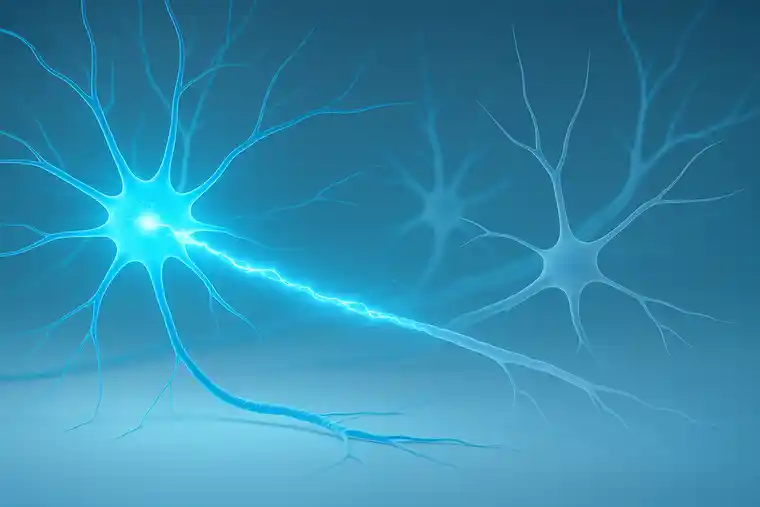
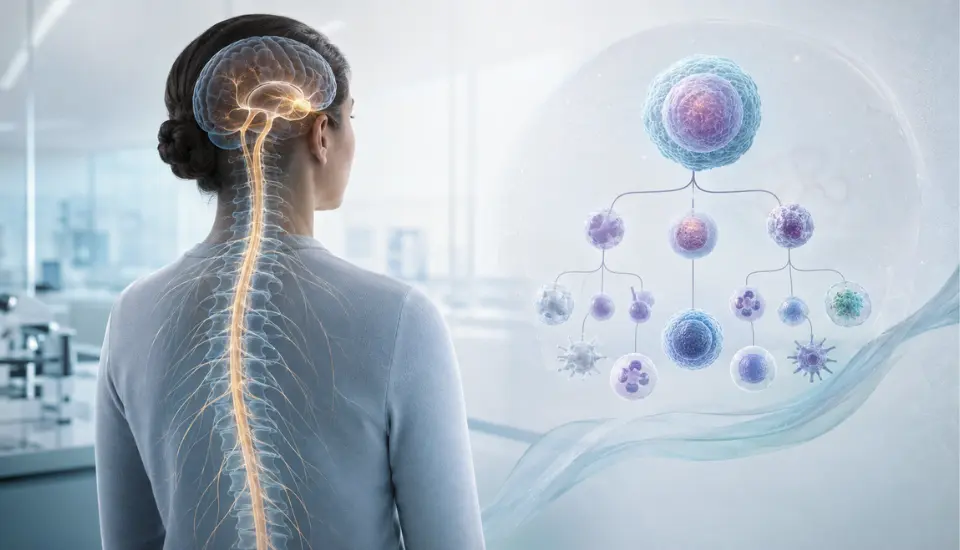
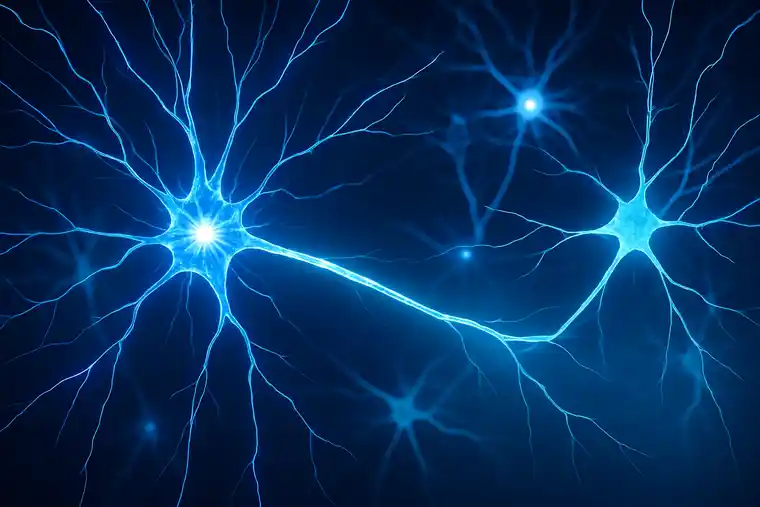
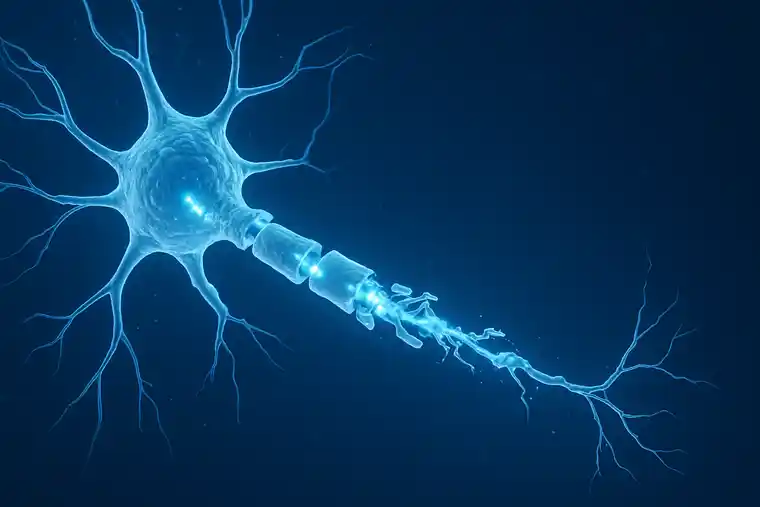
ALS is not a single event; it’s a gradual un-wiring of the motor system. The brain still sends signals, but the cables – the motor neurons – are breaking down.
At first, it looks like weakness in one hand, or tripping on a step that was never there. Over time, the weakness spreads. Muscles shrink. Speech slurs. Swallowing becomes difficult. Eventually even breathing demands assistance.
And yet, through all this, the mind stays untouched. Patients remain aware, intelligent, and emotionally present. That disconnect – being trapped in a body that won’t obey – is what makes ALS one of medicine’s most humbling challenges.
Traditional medicine offers symptomatic relief: breathing support, physiotherapy, nutritional care, and a few medications that slow degeneration by a modest margin. But none directly protect or rebuild the motor neurons. That is why regenerative approaches have become such a focus of research in recent years.
Why Stem Cell and Exosome Therapy Offer New Possibilities for ALS
The idea behind regenerative therapy for ALS is simple to state but complex to achieve: help the body protect what remains and re-connect what can still communicate.
When brain cells begin to die, the surrounding tissue doesn’t just “switch off.” It often becomes irritated and unstable. Inflammation builds up, harmful oxygen molecules accumulate, and the glial cells – the helpers that normally keep neurons healthy – lose their structure and rhythm.
What we see in treatment is that mesenchymal stem cells from umbilical tissue can bring a kind of calming influence into this environment. They don’t replace the damaged neurons, but they release signals and growth factors that help quiet the inflammation, guide the immune system into a more balanced state, and give the remaining nerve cells better conditions to survive.
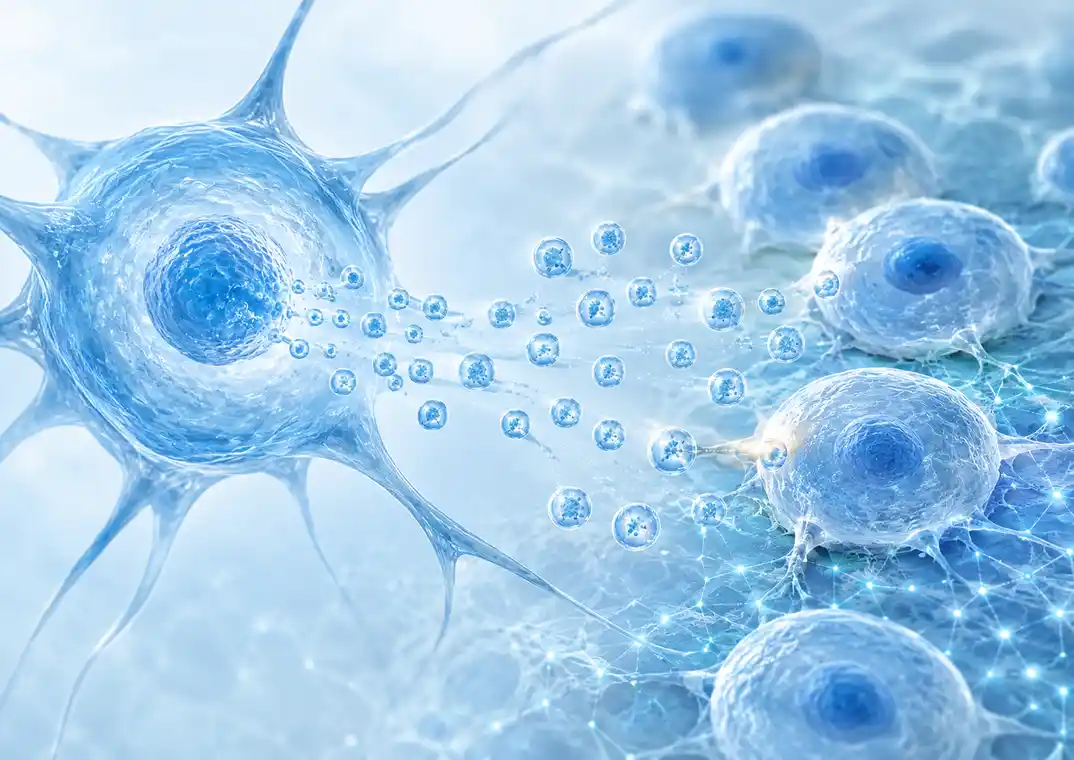
Exosomes play a different but complementary role. These are extremely small vesicles released by stem cells, and because of their size they can move across the blood–brain barrier. Once they’re inside the brain, they deliver micro-RNAs and proteins that help settle the ongoing inflammatory reaction – almost like sending tiny repair instructions directly to the troubled areas.
In doing so, they may give existing neurons the time and environment they need to function longer.
I often tell patients: “We cannot resurrect the dead neurons – but we can help the living ones endure.”
How ALS Progresses – Patterns, Symptoms, and Functional Decline
ALS manifests in different patterns, but the core pathology remains the same.
• Spinal-onset ALS: begins in limbs; weakness creeps upward.
• Bulbar-onset ALS: starts with speech and swallowing.
• Respiratory-onset ALS: rare, but often most severe.
Progression is typically measured using scales such as the ALSFRS-R (ALS Functional Rating Scale–Revised). I do not view these scores as verdicts – only as snapshots of a journey that we try to slow.
Each patient’s path is individual. Some decline rapidly; others plateau for months. I’ve seen people who, with combined therapy and discipline, managed to retain mobility for years beyond initial expectations. That variability tells us one thing clearly: the disease’s biology can still be influenced.
Stem Cell Therapy for ALS – What Research and Clinical Experience Show
Research in the last decade has begun to translate into cautious optimism.
• Clinical studies using Wharton’s Jelly–derived MSCs have shown reductions in inflammatory markers such as TNF-α and IL-6, correlating with slower symptom progression.
• Early-phase human trials (e.g., NCT04055623, NCT03268603) suggest that repeated intrathecal or intravenous MSC applications are well tolerated and may stabilize motor scores for several months.
These numbers matter – but the stories behind them matter more.
One of my patients, a 52-year-old engineer diagnosed three years earlier, came to us when his hands had grown too weak for the tools he loved. After three sessions of combined stem-cell plus exosome therapy, followed by physiotherapy, his grip did not return to what it was – but it stopped worsening. He could still write, still feed himself. To him, that plateau was victory.
Another patient, a retired teacher, noticed that her breathing capacity stabilized after treatment. For a disease defined by decline, stability itself becomes hope.
How Treatment Works – From Laboratory to the ALS Patient Journey
Every journey begins with rigorous screening. ALS can mimic other conditions, so we confirm diagnosis through nerve-conduction studies, MRI, and metabolic testing.
Once confirmed, we assess eligibility – no active infections, adequate organ function, realistic expectations.
The cell source: We use umbilical-cord tissue donated after healthy births. Each sample passes through Good Manufacturing Practice (GMP) laboratories where it is screened for viruses, bacteria, and genetic stability. Only batches that meet the strictest standards are released for clinical use.
Administration routes:
• Intravenous (IV): for systemic anti-inflammatory and trophic support.
• Intrathecal (IT): directly into the spinal fluid, to reach the motor pathways more closely.
• Exosome therapy: given intravenously or intranasal to cross into brain regions unreachable by cells themselves.
Each protocol is personalized. Some patients receive two to three sessions per year; others follow a denser schedule depending on disease speed and tolerance.
Rehabilitation After Stem Cell & Exosome Therapy -Strengthening What Remains
Stem-cell and exosome therapy do not replace rehabilitation – they amplify it.
After every session, we design a targeted neuro-rehabilitation plan focusing on:
• muscle re-education through electrical stimulation,
• respiratory physiotherapy,
• speech and swallowing exercises,
• fine-motor coordination tasks.
After every treatment, we keep the body and the mind moving. The weeks that follow are important – it’s when the nervous system seems to “listen” a bit more closely. When we pair the therapy with simple movements, calm breathing routines, or a bit of speech practice, the body sometimes begins to hold on to the progress. It doesn’t look dramatic from the outside. Maybe a hand steadies just enough to reach for a cup without trembling, or a patient’s cough suddenly has a bit more force behind it.
To anyone else, these changes are barely noticeable. But for a family living with ALS, moments like these feel huge. They’re small flashes of strength that remind everyone that improvement – even tiny, fragile improvement – is still possible.
They remind us that the body still has a voice left to answer.
Exosomes Explained – How These Tiny Messengers Support ALS Neurons
I remember the first time I heard about exosomes – tiny bubbles that cells release to talk to each other. It sounded almost poetic, like the body had invented its own way of whispering healing instructions.
Later, when we saw that patients were improving even after the transplanted stem cells had already faded, it started to make sense. The benefit wasn’t only from the cells themselves; it was from what they left behind – those microscopic messengers carrying signals that calm inflammation and encourage the nervous system to repair itself, piece by piece.
They’re small enough to go where most medicines can’t. And in a disease like ALS, where so many barriers exist between help and the places that need it most, that’s no small thing.
We learned that it was the exosomes doing the heavy communication:
• calming overactive immune cells (microglia and astrocytes),
• reducing oxidative stress,
• stimulating angiogenesis (new blood-vessel formation),
• delivering growth factors such as BDNF and GDNF that protect neurons.
Because they are acellular, exosomes cannot divide or form tumors. They can be purified, standardized, and stored – making them safer and easier to administer.
For ALS, where damage sits deep within the spinal cord and motor cortex, exosomes’ ability to cross the blood–brain barrier is invaluable. They act like couriers slipping through locked doors.
Safety, Ethics, and Realistic Expectations in ALS Regenerative Treatment
Whenever I speak with families, safety is the first and last question.
Everything we do follows strict international guidelines – the same GMP, ISO, and Turkish Ministry of Health standards you’d expect from a modern medical program. Every batch of cells is checked carefully for sterility, endotoxins, mycoplasma, and overall viability before it ever reaches a patient.
The procedures themselves take place in fully equipped, hospital-grade sterile rooms. Full resuscitation equipment is on standby – even though serious complications are extremely uncommon, we treat safety as non-negotiable.
Most people experience only mild, short-lived symptoms afterward: a light headache, some fatigue, or a brief fever that usually settles within a day or two.
Yet the larger danger in this field isn’t infection – it’s false promise.
Regenerative medicine attracts emotion because it deals with hope. That’s why I remind families: “We are not replacing the neuron; we are supporting the network around it.”
Progress is measured in retained function, not miracles. An extra six months of stable speech or breathing is not small. It’s life continuing on its own terms.
Ethical and High-Quality Sourcing of Stem Cells and Exosomes
Every donor signs informed consent after healthy childbirth. No embryos, no fetal tissues, no autologous sources from ALS patients (since their own cells may carry the same vulnerability).
Umbilical cords are processed under traceable chain-of-custody, with certificates of origin and sterility. Cryopreservation occurs in closed systems using medical-grade reagents.
Ethics, for me, are not paperwork – they are the moral architecture of this work. The public’s trust in regenerative medicine will survive only if we are uncompromising about transparency and safety.
A Practical Guide for ALS Patients and Families
For patients and families reading this, here is a short guide we share in our consultations — clear, honest, and based on what we have learned from real cases.
Understanding ALS as a Disease That Keeps Moving Forward
ALS, or Lou Gehrig’s disease, is a condition that slowly damages the nerve cells in the brain and spinal cord that tell your muscles what to do. Understanding ALS – a disease that moves forward even when you don’t want it to.
ALS is one of those diseases that keeps moving, even when the person going through it desperately wants it to stop. What happens isn’t mysterious, just cruel: the nerve cells that normally carry commands from the brain to the muscles begin to fail. First a few, then more. And when those connections break, the muscles don’t get the message anymore. They weaken. They shrink. Everyday things – lifting a foot, forming a word, swallowing – start to feel strangely heavy.
One of the hardest parts, maybe the hardest, is that the person inside stays completely present. Their mind is sharp. Their emotions are intact. They understand everything. It’s just that their body slowly stops cooperating with them, piece by piece. Families often tell me, “He’s still himself. She’s still completely there.” And they’re right.
And no – we don’t have a treatment today that can stop ALS in its tracks. I wish we did. Every doctor in this field wishes we did. But that doesn’t mean nothing helps. There are things we can do. Ways to make symptoms easier. Ways to slow parts of the process for some people. Ways to protect comfort, dignity, and moments of strength that still matter, deeply.
✅ What Stem Cells Can Offer You
Stem cells – especially umbilical cord-derived mesenchymal stem cells (UC-MSCs) — are being used to support ALS patients by:
• reducing inflammation in the brain and spinal cord,
• protecting motor neurons from further degeneration,
• promoting repair and regeneration of nerve-supporting cells (glial cells),
• improving microcirculation and oxygen supply to the nervous system.
Many patients report:
• slower disease progression,
• better energy and mobility in daily life,
• clearer speech or swallowing for longer,
• a delay in the need for mechanical ventilation or full-time assistance.
🟢 So yes – stem cell therapy can help slow the progression and maintain your quality of life for longer, especially when started early and supported with rehabilitation and follow-up sessions.
🔴 But there is no guarantee, and results vary from person to person. Every nervous system is unique, and the response depends on many factors – including timing, overall health, and the degree of degeneration already present.
❌ This Is Not a Miracle – But It Is Realistic Hope
Stem cell therapy can’t rebuild motor neurons that have already died.
It won’t suddenly reverse paralysis.
But what it can do is:
• help you hold on to your remaining strength,
• protect vital functions like breathing and swallowing,
• improve energy levels and coordination,
• and bring back a measure of comfort, independence, and dignity.
It’s not about “curing” ALS — it’s about slowing it down and supporting you in the best way medicine currently can.
🧪 Safe. Ethical. Backed by Science.
We use umbilical cord–derived stem cells, collected ethically and processed under certified laboratory conditions.
These cells are young, active, and safe — they do not come from embryos, and they are not taken from your own body. The therapy is performed under strict medical supervision with continuous monitoring.
🤝 What We Promise You
- We won’t promise miracles.
- But we do promise transparency, compassion, and professionalism every step of the way.
- We will focus on what can still be improved, protected, or preserved – because that truly matters.
And often, that’s more than anyone expects.
What ALS Families Can Expect After Treatment – The Rhythm of Change
In the months after therapy, most families notice shifts rather than leaps.
• Speech slightly clearer.
• Less muscle twitching (fasciculation).
• Slower decline in lung capacity.
• Improved sleep and energy.
Sometimes progress is invisible to outsiders but evident to the patient – the ability to hold a glass again, or type a message longer before fatigue sets in.
I tell every patient: look for continuity, not reversal. When you can still do tomorrow what you did yesterday, you are already winning against ALS.
Ongoing Research and Responsible Innovation in ALS Therapy
Our clinic collaborates with international neurology departments studying biomarkers for neuroinflammation and mitochondrial stress. We monitor cytokine profiles before and after therapy to better understand responders versus non-responders.
The goal is to move regenerative therapy from hopeful adjunct to structured, evidence-based medicine. Science advances not through miracles, but through measurement and humility.
Every improved patient teaches us. Every unchanged one teaches us more.
Life With ALS – Beyond the Hospital and Between Appointments
Treatment is one part of the story. The rest is lived in the quiet hours between appointments – where courage meets adaptation.
Families become the real experts. They redesign homes, invent assistive tools, learn new ways to communicate. I have seen spouses become engineers, siblings become therapists, and patients become teachers of resilience.
Regenerative therapy fits into this larger human framework – it doesn’t erase struggle, but it changes the tempo of decline, buying precious time for living.
Conclusion – A Compassionate View on ALS Care and Regenerative Medicine
ALS reminds us of the limits of medicine, but also of its heart.
Stem-cell and exosome therapies will not rewrite fate overnight, yet they open a door that used to be locked. They offer physicians a way to intervene biologically, ethically, and gently – to defend the dignity of motion and voice for as long as possible.
If a patient can still breathe unaided a little longer, speak another sentence, or hold a loved one’s hand with strength – that is success measured in humanity.
As a neurosurgeon, I no longer see this field as “experimental curiosity.” I see it as an evolving branch of neuro-care, where hope is disciplined by science and compassion remains our guide.
Scientific References
1. Petrou P. et al. (2020). Safety and clinical effects of intrathecal mesenchymal stem cell therapy in ALS. Brain, 143(4):1188-1200.
2. Oh K.W. et al. (2018). Repeated intrathecal MSC injections slow ALS progression. J Neurol Sci 393: 274-281.
3. Bonafede R. & Mariotti R. (2017). Exosome-mediated neuroprotection in ALS models. Front Neurosci 11: 123.
4. ClinicalTrials.gov identifiers: NCT04055623, NCT03268603.
5. National Library of Medicine. Wharton’s Jelly MSCs in neurodegenerative disorders (PMC10989435).
FAQ’s about ALS Stem Cell & Exosome Therapy
Can this treatment really help, or will it just make us hope again?
That’s the question I hear most. The honest answer is: it can help some patients – mostly by slowing things down. It doesn’t rebuild what’s already gone.
But I’ve seen people keep their voice or hand strength longer than expected. So yes, it helps in ways that feel small to outsiders but big to those living with ALS.
It’s not false hope – it’s careful hope.
Is it safe? What can go wrong?
When the work is done properly – in sterile rooms, with tested cord tissue – the risks are very low. Sometimes patients feel tired or get a mild headache for a day. I’ve never seen anything serious.
The real danger isn’t from the procedure; it’s from the promises you might read online. Nothing is guaranteed, and I tell every family that before we begin.
How soon will we see something change?
It’s different for everyone. Some families call me after a few weeks because the voice sounds clearer or swallowing looks easier. Others need months before they notice anything. And sometimes the win is simply that nothing gets worse for a while. In ALS, stability is already a form of progress.
How many times should we do it?
Usually two or three sessions a year. We check how the patient feels and functions before deciding on another round.
There’s no fixed number – it depends on how fast the disease is moving and how the body responds. The most important part is to stay realistic and to combine the treatment with proper physiotherapy.
Who is this treatment right for?
It’s best for people still in the earlier or mid stages – who can still move, speak, or breathe on their own. Once the disease is too advanced, the benefit becomes small. I always look for that window where there’s still strength to protect. And every patient must understand: this is not a cure. It’s a chance to slow down the loss and give time back – sometimes just enough to make the moments count.