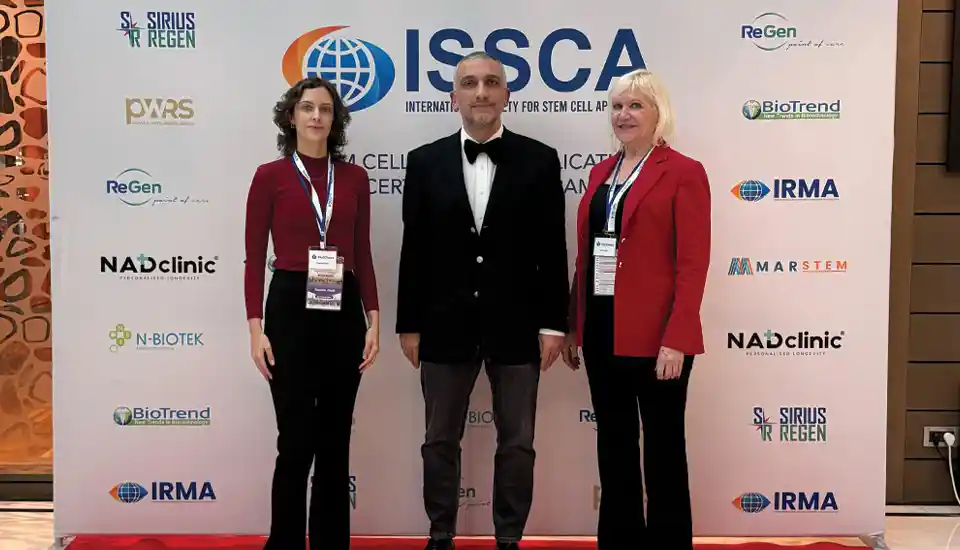
Advanced Clinical Training in Regenerative Medicine – Istanbul Recap
Date: January 9–10, 2026
Location: Istanbul – Day 1 (Radisson Blu Şişli), Day 2 (REGEN Clinic, Beşiktaş)
In collaboration with: ISSCA, REGEN & MedClinics
Two clinical days in Istanbul, built for physicians who want structure over trends.
From decision-making logic and indication criteria to live observation at the Clinic – this ISSCA training focused on real workflows, sterile standards, and protocols you can actually apply.
Some medical trainings give you slides.
This one gave us something rarer: clarity.
Over two intense days in Istanbul, the ISSCA Advanced Clinical Training in Regenerative Medicine brought together an international group of physicians — orthopedics, pain medicine, aesthetics, neurology, and more – all working with the same quiet clinical question:
“Am I doing this safely – and is what I’m doing actually grounded in evidence?”
And that’s exactly what this course delivered. No hype. No shortcuts. Just structured protocols, real-world observation, and the kind of honest medical thinking that improves clinical decision-making the moment you’re back in practice.
Why This Edition Was Special
1) It didn’t separate science from clinical reality
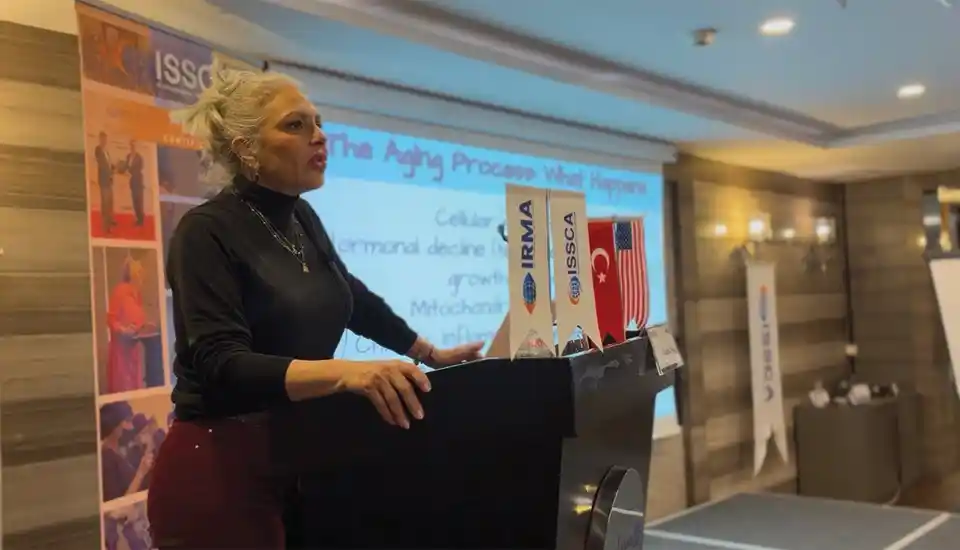
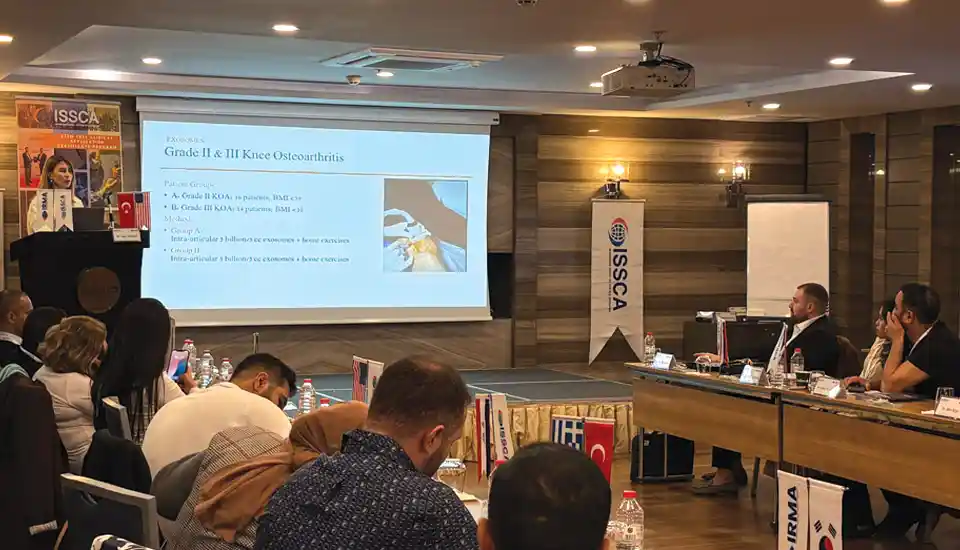
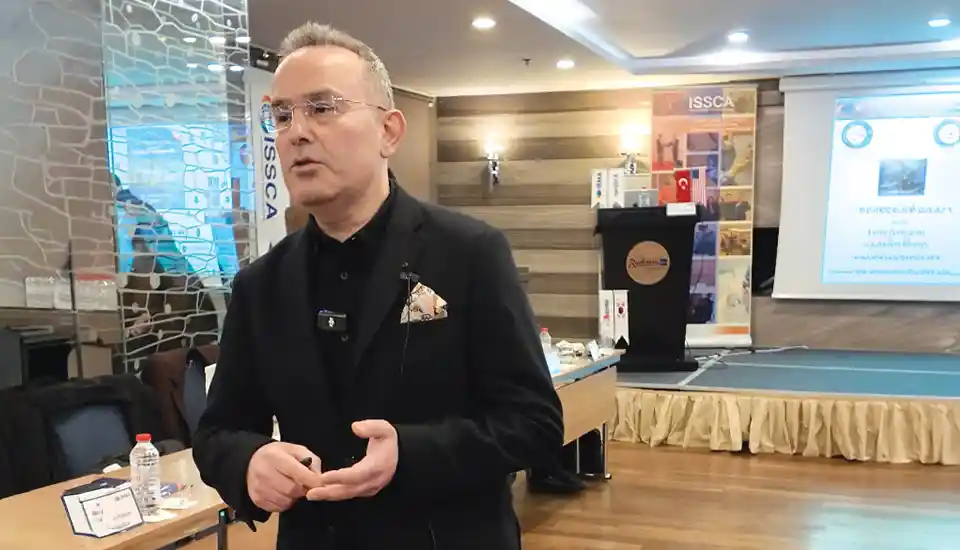
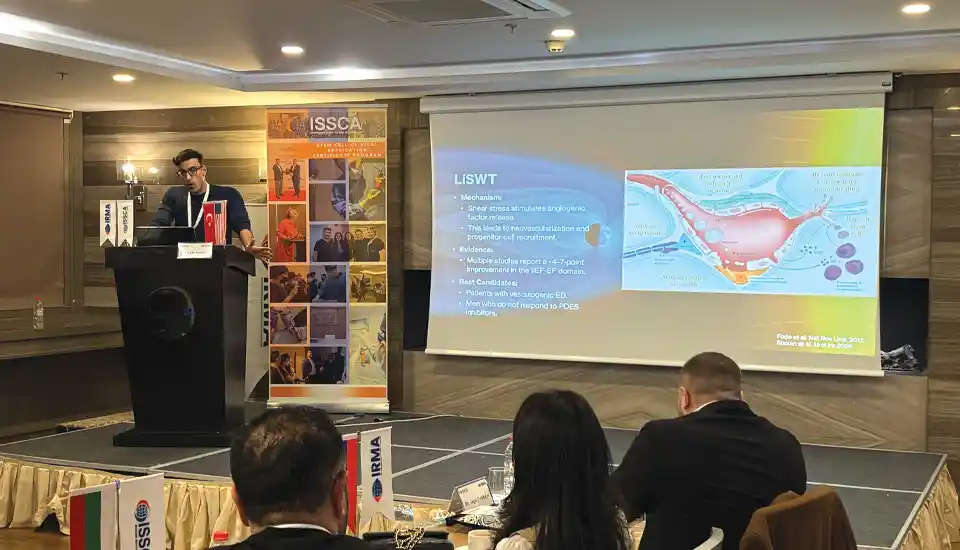
Day 1 built the foundation properly: mechanisms, indications, and decision-making logic.
Day 2 didn’t “talk about” implementation – it showed it in a working clinical environment.
That connection between both days was the real value:
Not just learning what exists…
but learning when, why, and how to apply regenerative medicine responsibly.
2) It was built around decisions, not buzzwords
Regenerative medicine has no shortage of trends.
But trends don’t treat patients – decisions do.
Throughout the training, the focus stayed on a structured clinical mindset:
- Which patient qualifies – and who does not
- Which biologic makes sense for which goal
- What technique is required
- How to document properly
- How to follow up responsibly
This “decision-tree thinking” showed up again and again – and that’s what made the content genuinely usable across specialties.
3) It stayed clinical, not promotional
This is important to say out loud:
There was no “miracle medicine” narrative in the room.
Instead, the consistent tone was:
✅ sterile standards
✅ realistic indications
✅ reproducible workflows
✅ boundaries and safety first
That’s the kind of educational culture regenerative medicine needs if it wants to mature as a discipline – and if it wants to be trusted long-term by both physicians and patients.
Day 1: Science, Protocol Logic & the “Why” Behind the “How”
Venue: Radisson Blu Şişli
The first day was dense in the best way – not overloaded, but structured with purpose.
The topics moved through the field the way real clinical thinking works:
- understanding mechanisms (stem cells & exosomes)
- connecting biology to outcomes
- mapping indications and limitations
- expanding into supportive protocols and integrative modules
It wasn’t about memorizing information.
It was about understanding the system behind the treatment choices.
And between sessions, something else happened naturally:
Physicians used the breaks the way medical breaks should be used – exchanging cases, comparing approaches, and learning from one another’s real-world experience.
Day 2: Live Demonstrations at the Clinic – Step by Step, No Filters
Venue: REGEN Clinic, Beşiktaş
Day 2 was where the course turned into something you can’t get from a textbook.
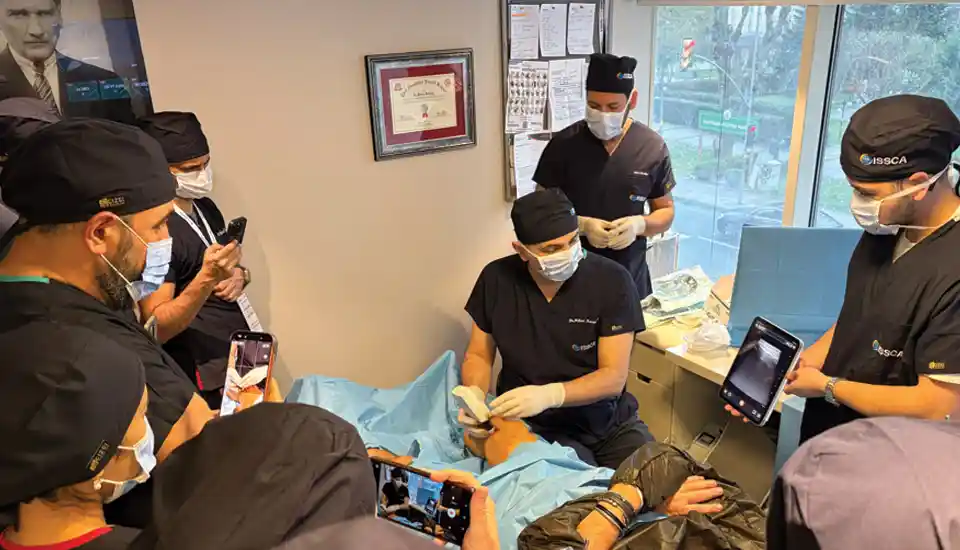
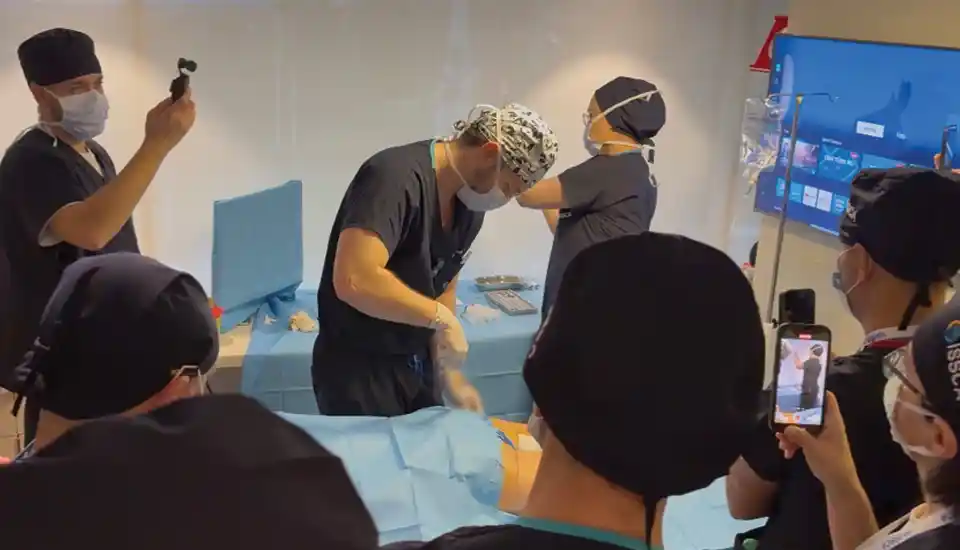
Inside REGEN Clinic, the team demonstrated real workflows in real time, including:
- Anti-aging applications
- Pain management protocols
- Orthopedic use cases
- Exosome applications
- Bone marrow aspiration technique
- Lipoaspiration technique
- Isolation approaches (SVF, BMAC, PRP)
This was observation-based (not hands-on), but it still felt remarkably close.
You could see sterile routines, clinical coordination, documentation habits — the details that usually decide whether a regenerative protocol is done safely or not.
Photo/video was allowed only briefly, and honestly: that limitation helped.
It kept the focus on the medicine.
What We Took Home (Beyond Notes) from this Regenerative Medicine Training
Protocols you can actually transfer
A recurring theme was making protocols usable across different specialties — not as “one-size-fits-all,” but as frameworks physicians can adapt responsibly.
A stronger sense of clinical boundaries
There was ongoing emphasis on “don’ts” — and that’s a sign of a serious training.
Because in regenerative medicine, knowing what not to do is often what protects your patients and your results.
A network that matters after the course
A certificate is nice – but a community is what really improves quality long-term.
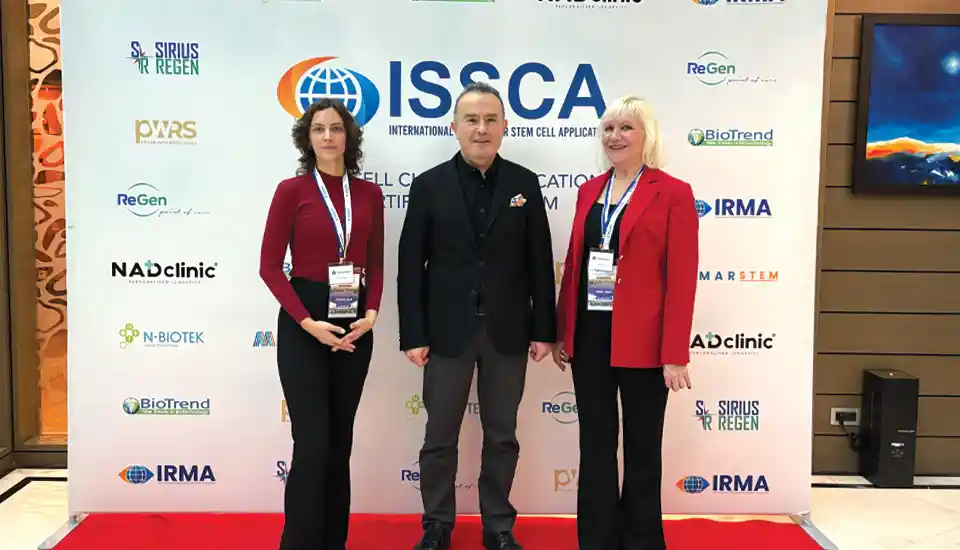
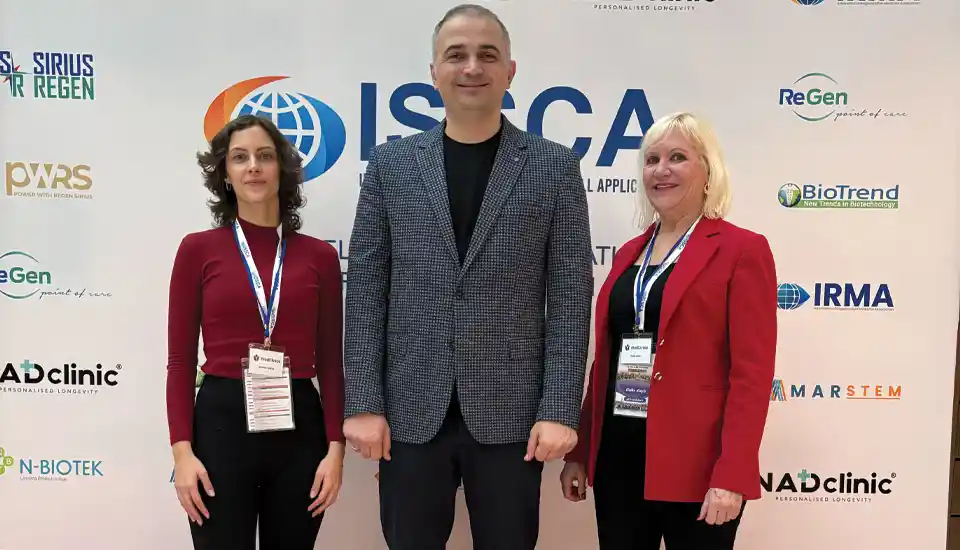
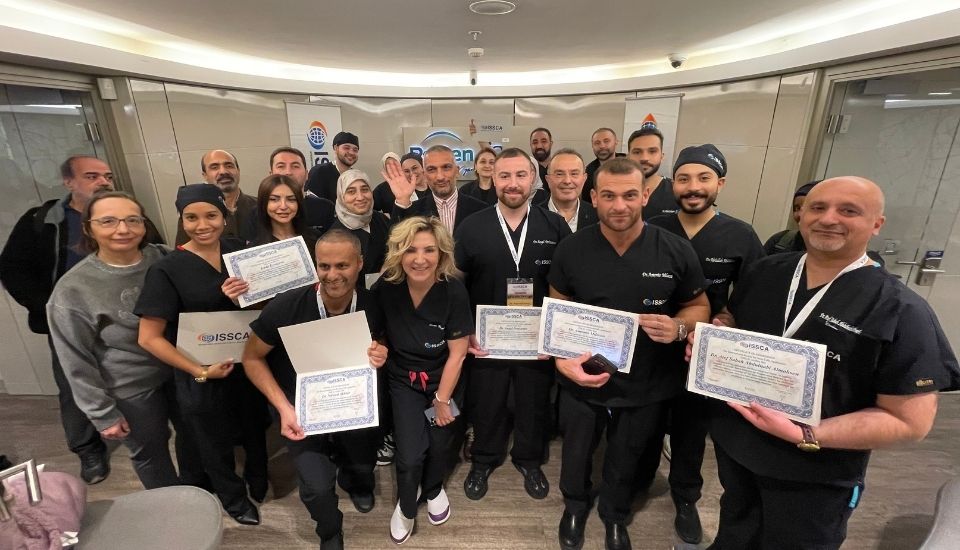
This training created real physician-to-physician connection, not just a group photo and goodbye.
Certification & Completion
At the end of the program, participants received the ISSCA-approved certificate – internationally recognized and linked to structured medical standards.
And yes: the way the course materials, organization, and clinical delivery were handled signaled something important – this wasn’t built to impress. It was built to hold up in real clinical practice.
Thank You – and What We Want More Of
To the ISSCA faculty, the REGEN team, and every physician who came to Istanbul with an open clinical mindset: thank you.
This is the kind of training that pushes regenerative medicine forward – not by making it louder, but by making it cleaner, safer, and more standardized.
We’re looking forward to the next formats where medicine is taught the way it should be taught:
from mechanism → to protocol → to real clinical execution.
Want to Join a Future Regenerative Medicine Training?
All training details, modules, and the full official agenda can be found here:
https://medclinics.com/regenerative-medicine-training-istanbul/
If you’d like to reserve a seat for the next edition, contact us directly — seats are intentionally limited to keep the clinical exchange focused.
FAQs regarding Regenerative Medicine Training
Who is this regenerative medicine training for?
This course is designed for licensed physicians who work with musculoskeletal care, pain medicine, neurology, aesthetics, rehabilitation, and related fields – especially those looking for structured, clinically usable regenerative protocols rather than theory alone.
Is the training hands-on or observation-based?
The second day is clinical and close-up, but observation-focused. That means participants follow real workflows step by step, including sterile preparation, documentation habits, and team coordination – without turning it into a “show” setting.
Which topics and biologics are covered?
The training covers regenerative decision logic and clinical pathways, including stem cell-related mechanisms, exosome applications, PRP, and SVF/BMAC workflows – with emphasis on realistic indications, limitations, and follow-up structure.
Do participants receive a certificate?
Yes. Participants receive an ISSCA-approved certificate upon completion, aligned with international educational standards and structured protocols.
Why is Istanbul a strong location for this clinical format?
Because it allows the combination of a focused theory day in a professional conference setting and a real clinic day inside a working regenerative environment – which is exactly where protocols either hold up… or don’t.
Photo Highlights from the ISSCA Training in Istanbul