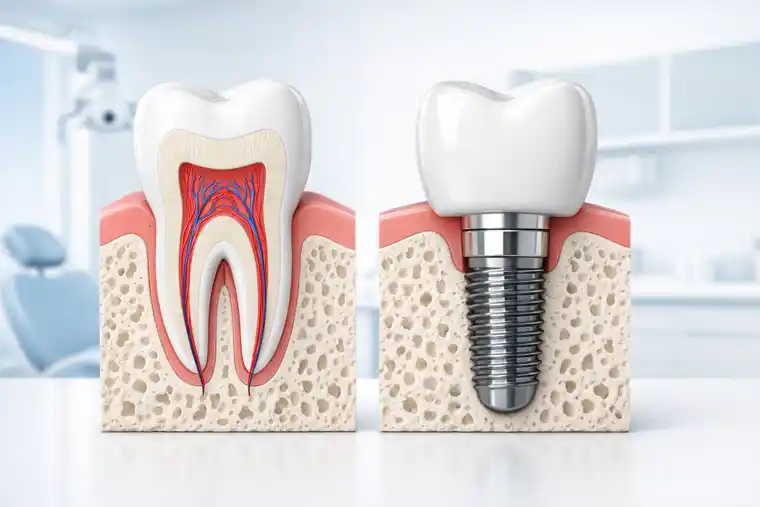
Written by Dr. Mehmet Kalcay (DentSpa)
Root Canal vs Dental Implant: Which Is Right for You?
This decision usually shows up at an annoying time – when a tooth is failing and you want a clear answer fast. A root canal is about trying to keep what you already have, while an implant is about starting over with a replacement.
Which one makes sense depends on what’s left of the tooth, what the bone looks like, and how predictable the result will be.
For some patients, an implant feels like the obvious choice because it sounds permanent and “modern.” Others prefer to hold on to their natural tooth whenever that’s still a safe option – often through root canal treatment.
For others, if it is clinically possible, nothing beats preserving their natural teeth and only restoring them through endodontic treatment (such as a root canal).
But then again, not every tooth can or should be saved. A lot of factors, some of which are. beyond your control, ultimately determine the right path forward.
That said, in this guide, we will compare both options side by side. We will also explore some situations where saving your natural tooth is the smarter choice and when replacement becomes necessary.
Table of Contents
What Is a Root Canal (Endodontic Treatment)?
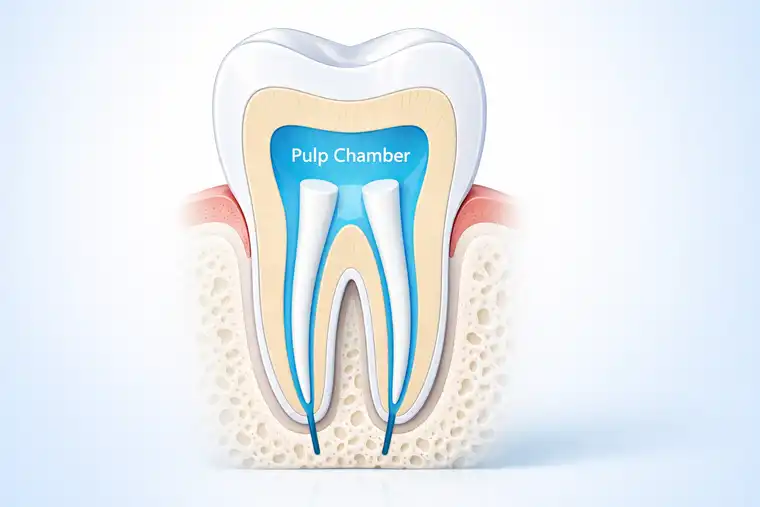
Root canal treatment and Endodontic Treatment are often used interchangeably, but they still mean the same thing.
The entire philosophy of endodontics centers on one key principle: preserving the natural tooth whenever possible. As explained by Dr. Kalcay at DentSpa on endodontic treatment, “Nature designed your teeth perfectly for their function. No artificial replacement, no matter how advanced, matches what you were born with. The goal of endodontic treatment is to keep your natural teeth functioning for life.”
Endodontic treatment focuses entirely on saving a compromised tooth by removing the pulp that has been affected or inflamed. For clarity, the pulp refers to the soft tissue inside the tooth that contains nerves and blood vessels.
Because the treatment focuses on cleaning the inner canal without necessarily compromising the tooth structure (enamel and dentin), it is often regarded to be the most predictable, cost-effective, and successful treatment available in restorative dentistry.
Endodontic treatment process
- The procedure start with a proper assessment of the tooth. Your dentist or endodontist will take an X-ray of your mouth to have a better view of what is going on inside the affected teeth
- Once the problem has been identified, a local anesthetic is then applied to numb the area. This is to ensure that you don’t feel any pain throughout the entire process.
- A small hole is drilled into the tooth so that you can get to the pulp. The diseased or infected pulp is then very gently and very slowly removed to prevent the infection from spreading.
- After that, the roots are cleaned and sterilized to eliminate the dead and living bacteria that were inside of the roots.
- Then the roots are filled with a material (gutta-percha) that is biocompatible to seal all the little holes in the roots. This also prevents your body from having to fight off an infection at the surgery site again.
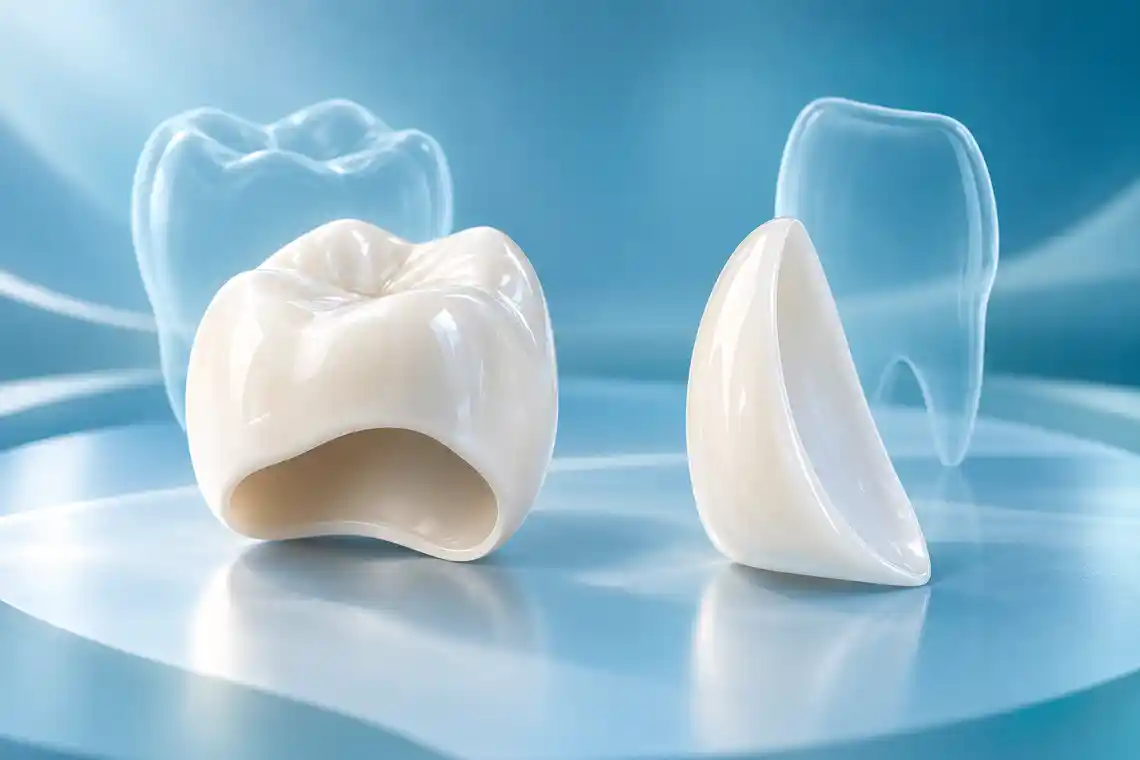
- Finally, a few weeks later, you’ll have a new crown made specifically for you that will give you back some strength, function and appearance.
What Is a Dental Implant?
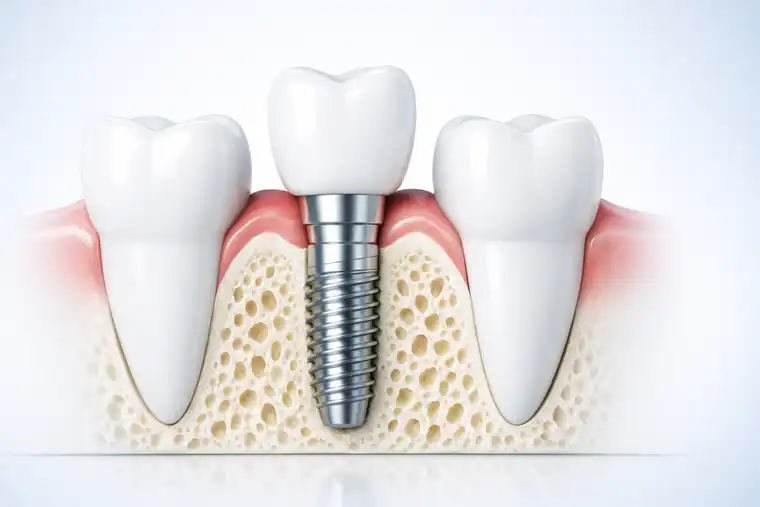
If you have damaged teeth, dental implants are another alternative fix. This procedure, however, doesn’t share the same philosophy as endodontic treatment.
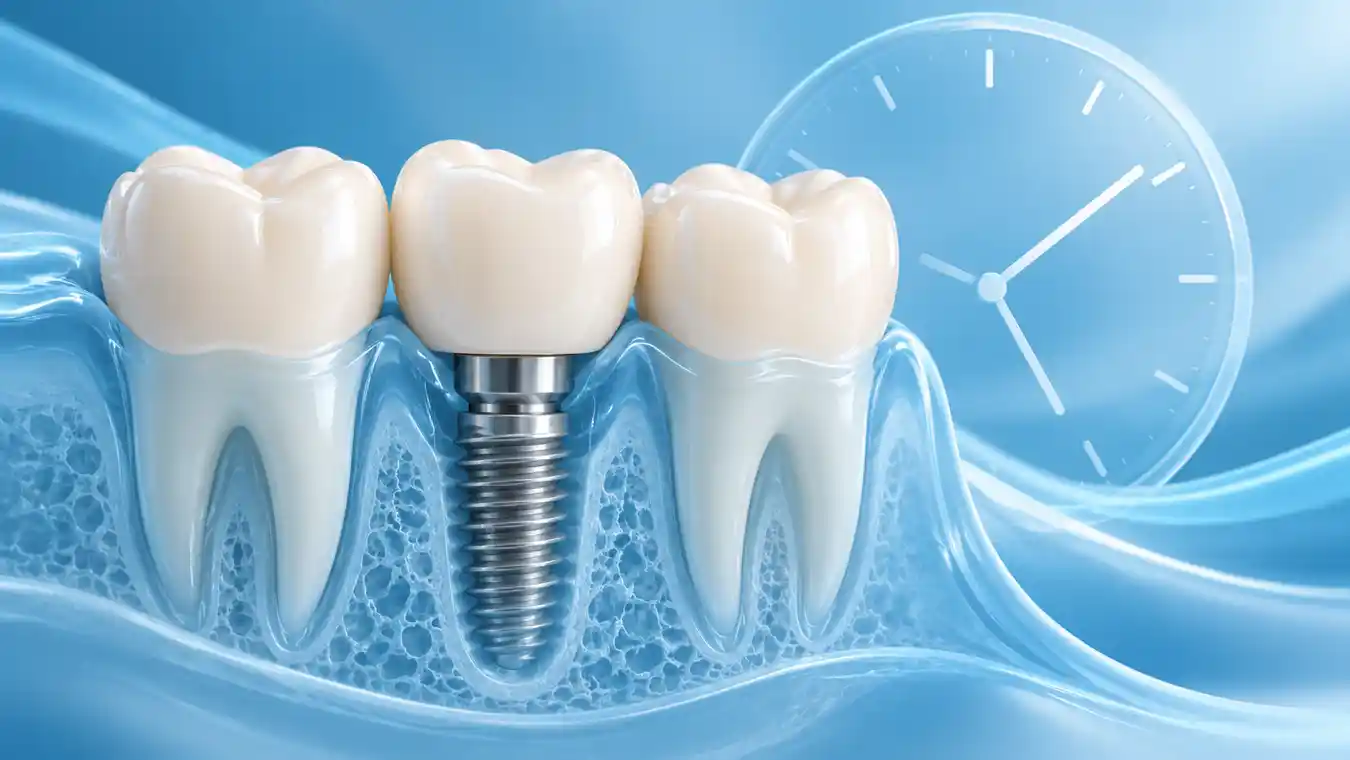
A dental implant replaces the root of a missing tooth using a small titanium post placed in the jawbone. After healing, a crown is attached to restore appearance and chewing function.
Root Canal vs Dental Implant: Key Differences Explained
Dental implants are primarily made of medical-grade titanium or titanium alloy, and they are fused into the jawbone to support crowns, bridges, or dentures.
As Dr. Mehmet Kalcay explains, “Endodontics focuses on preserving your natural tooth whenever possible, while implants replace it entirely. Whenever we can safely maintain what nature has given you, that should always be the first conversation.”
People often ask whether a root canal or a dental implant is the better option. In reality, they solve different problems. A root canal allows us to clean the infection inside your existing tooth and keep it in place, while an implant is used when the tooth can no longer be saved and must be replaced. The decision isn’t about which treatment is more modern — it’s about what gives you the most stable and predictable result in your specific situation.
| Factor | Root Canal | Dental Implant |
|---|---|---|
| Goal | Save natural tooth | Replace missing tooth |
| Recovery Time | Shorter | Several months |
| Success Rate | 85–95% | 91–98% |
| Cost | Lower | Higher |
Why Saving Your Natural Tooth Matters
If you have bad teeth, the first thing most clinics will suggest is an implant. While implants are a great solution in certain cases, they are not always the first or even the best option.
So, before you go ahead with their recommendation, pause and ask them if it is possible to save your tooth instead. Here’s why that question matters.
- No matter how anyone tries to spin it, nothing functions quite like your natural tooth. From the look, feel, and biological connection they give, not even the best implant can replicate any of that.
- Natural teeth also contain periodontal ligaments, connective tissue between tooth and bone. that provide sensory feedback. Dental implants doesn’t exactly have this, and while it might seem like a small issue, it could, on the long run affect your eating and long-term stability of your bite
- Saving your tooth often means a faster recovery compared to implant procedures, which can take several months from start to finish.
- Although this varies depending on the clinic and extent of the damage, on average, it costs less to preserve your tooth than to replace it completely.
- Some degree of stimulation is generated by the process of osseointegration for dental implants, however it does not compare to the stimulation provided by a natural tooth. The natural tooth has a periodontal ligament which transmits chewing forces into the bone both above and below the tooth and thus provides and maintains the bone density and volume. Maintaining your natural tooth will maintain your bite and prevent excessive shifting of your teeth.
- Keeping your own natural tooth will help keep all your teeth aligned properly and prevent the unnecessary shifting that happens when a tooth is missing and needs to be replaced by a denture.
- Many people also find it psychologically satisfying to retain their natural tooth because of the biological connection they have with that tooth (it has been there for them since childhood)
When Can a Tooth Be Saved? Key Clinical Factors
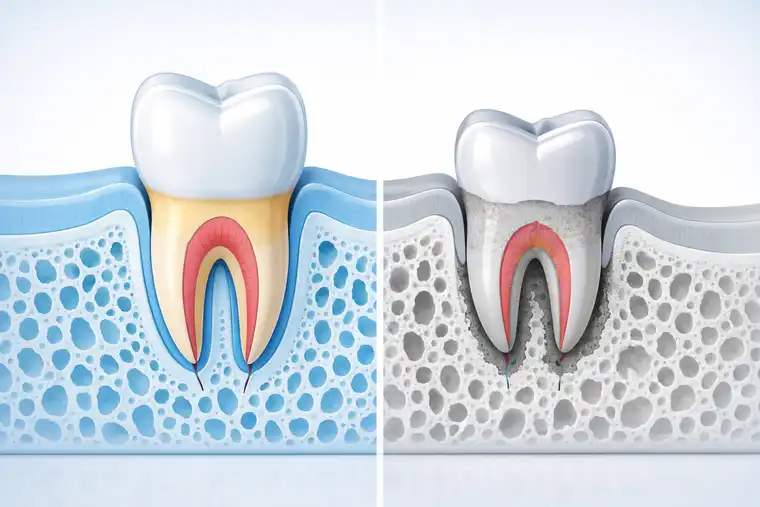
As stated earlier, not all damaged teeth can and should be saved. The decision depends on several clinical factors, which we will explore in this section.
- If there is an active infection present in your tooth and the infection has destroyed the bone tissue surrounding the tooth, restoring your tooth may not be possible.
- Another point is whether there was an infection with the tooth again after the original root canal treatment. If there was an infection after the first treatment then the best course of action would be to extract the tooth instead of attempting to fix it.
- The location of the damaged tooth is an important factor. Usually, teeth located in the back area of the mouth (posterior area) are often much harder to save than those in the front (anterior) area of the mouth.
- A patient’s general health status is also important when considering whether to attempt to save a damaged tooth. Uncontrolled diabetes, excessive teeth grinding (bruxism), and poor oral hygiene are examples of conditions that may compromise the healing process and long-term success of the tooth restoration.
- For a tooth to be saved, there must be sufficient healthy structure present above the gumline to provide adequate support. In cases where there is very limited structure remaining on the tooth, there may be insufficient strength to properly restore the tooth
Root Canal vs Implant: Success Rates Compared
According to many sources both, endodontic therapy (root canals), and dental implant have an extremely high success rate. Reports indicate that the success rate for root canals range from 85 percent to 95 percent, and in some cases even better than that. Conversely, reports also state that the success rates for dental implants vary but are generally stated to be around 91 percent to 98 percent.
Make the right choice for your oral treatment today
If you have severely damaged teeth, you have two paths forward. Remove and replace the natural tooth with an implant or nurse it back to health through root canal treatment.
There isn’t a single “best” option for everyone. Sometimes a tooth can be saved and will last for years with the right treatment. Other times it’s simply too damaged, and replacing it is the more predictable path. That’s why a proper examination matters so much. When a specialist looks at your X-rays, checks the tooth structure, and evaluates the surrounding bone, you get a clear answer on what’s realistic—not just what sounds appealing.
If you’re coming from abroad, DentSpa Clinic in Turkey offers a complimentary initial consultation. It gives you the chance to explain your situation, share your scans, and hear a straightforward recommendation before you commit to anything.
One thing people often underestimate is how much the clinic itself affects the outcome. Two patients can have the “same” treatment on paper and end up with very different results—simply because the planning, technique, and follow-up care weren’t at the same level.
DentSpa is known in Turkey for combining advanced surgical experience with a treatment approach that still respects natural teeth. If a tooth can be kept safely, that’s the first direction. And when it can’t, the implant work is planned and delivered with the same precision.
In Turkey, DentSpa is recognized for combining advanced surgical expertise with a treatment philosophy that prioritizes preserving natural teeth whenever possible, while also delivering precise implant solutions when replacement is necessary. The clinic has also been recognized as Europe’s Best Dental Clinic at the European Awards in Medicine, reflecting its standing within the field of advanced dental care.
Stay Updated
Want to keep reading? Our blog is where we post new guides, clinic updates, and straightforward tips you can actually use. If you’re considering treatment and want to talk it through, contact MedClinics and we’ll point you in the right direction.
FAQ’s regarding Root Canal vs Dental Implant
Will having a failed root canal after a root canal ever be a problem when I have to get an implant?
A failed root canal has no negative effect on your chances for getting an implant. It just means you are where you started (you will pull the tooth and place an implant) because of the root canal failure, you do not lose any additional bone from the failed root canal, nor is the placement of the implant complicated by the failed root canal.
How do I know for sure that my tooth can be saved?
To be honest, only your dentist can tell you this because only they have the necessary diagnostic tools. As a patient, the best thing you can do is request to see your x-ray and ask questions. If, however, you don’t trust them, change your dentist.
Can I get both a root canal and an implant at the same time on different teeth?
Yes, absolutely. Treatment planning often involves multiple approaches for different teeth based on individual conditions. You might have root canal treatment on a salvageable molar while getting implant placement where a tooth was previously lost.
What should I do after my canal has been treated to recover completely?
Immediately after your canal treatment, it is important that you do not eat anything too difficult or sticky during recovery. In addition to that, attempt to chew on the opposite side of where your surgery was performed. And if you are experiencing some slight discomfort, you can also take a doctor-approved pain reliever. Finally, practice good oral hygiene to prevent recurrence.